
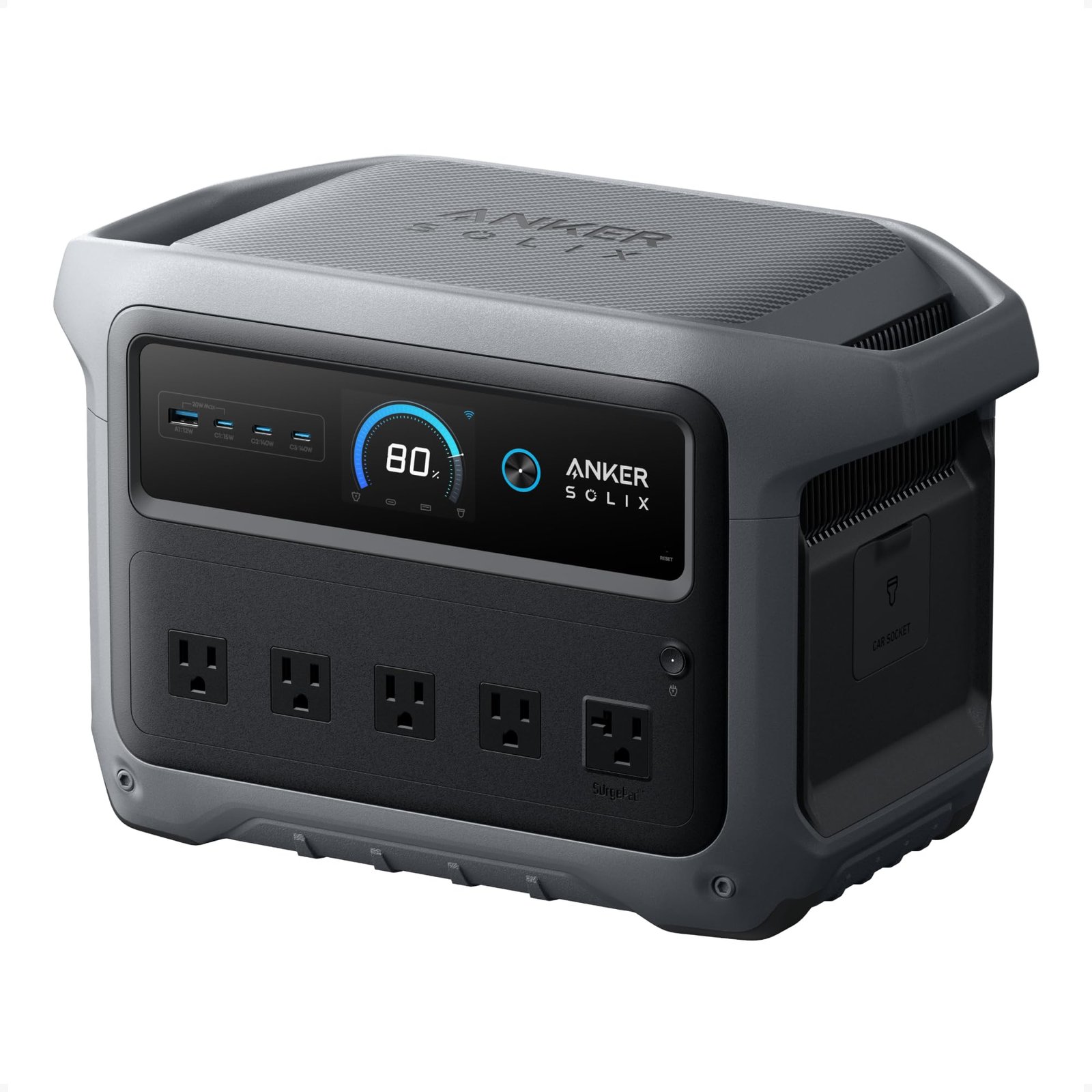
Anker SOLIX C1000 Gen
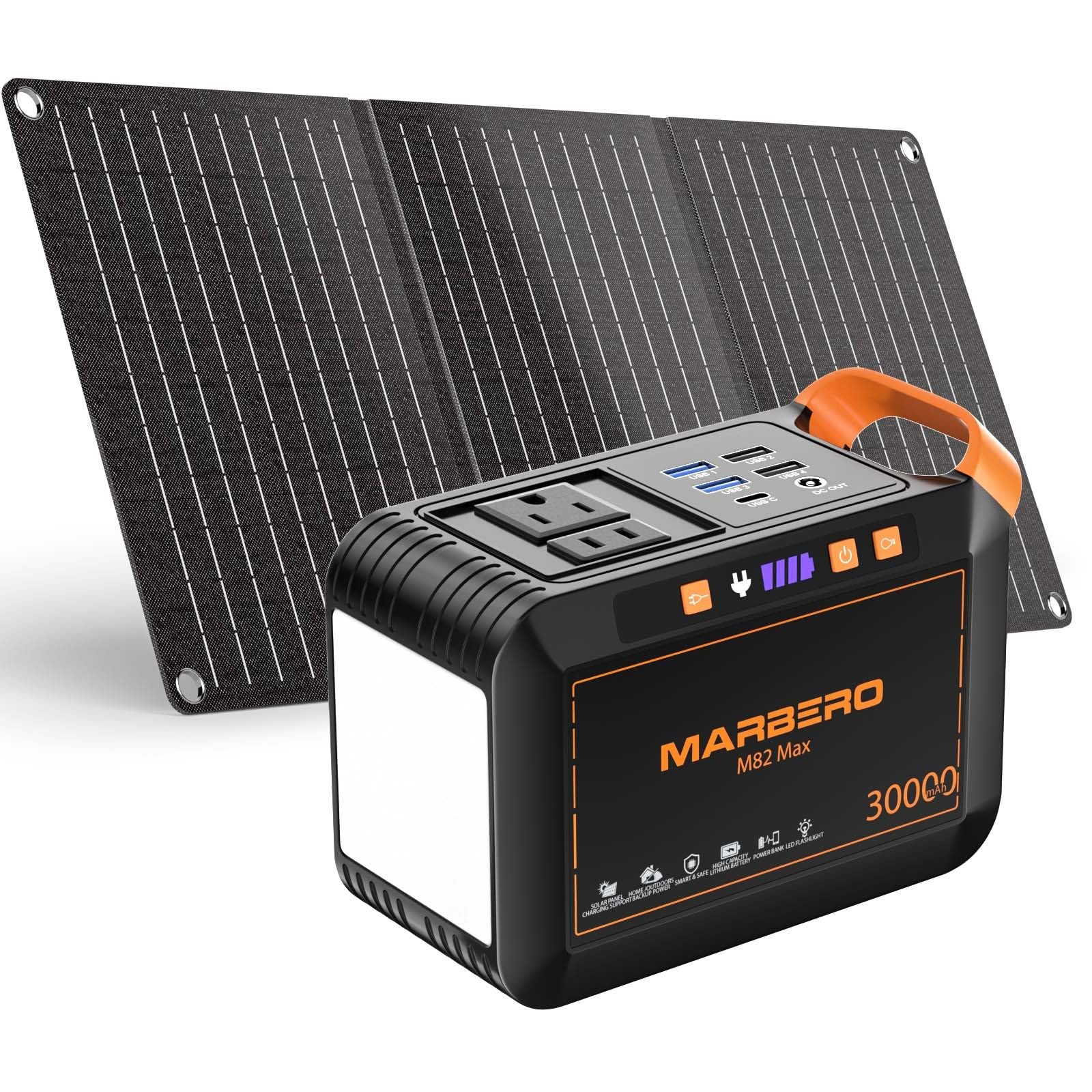
MARBERO Solar Generator 111Wh
Choosing the right portable power station can feel overwhelming—especially when you’re trying to decide between two popular models like the Anker SOLIX C1000 Gen and the MARBERO Solar Generator 111Wh. Both promise reliable energy on the go, whether you’re camping in the backcountry, preparing for a power outage, or just need backup juice for your devices. But they’re designed for very different needs.
The Anker SOLIX C1000 Gen is a high-capacity workhorse built for serious off-grid living, remote work setups, and extended emergencies. Meanwhile, the MARBERO Solar Generator 111Wh is a compact, budget-friendly option perfect for weekend trips, tailgating, or light daily use. This article dives deep into everything from charging speed and output capabilities to portability and real-world performance so you can make an informed decision based on your lifestyle—not marketing hype.
Whether you’re a full-time van lifer, a weekend camper, or someone who just wants peace of mind during storms, understanding how these two power stations stack up will help you choose the one that truly fits your needs.
In-Depth Look: Anker SOLIX C1000 Gen
CUSTOMER REVIEWS
⏳ Loading…
If you’ve been searching for a true powerhouse that doesn’t skimp on performance or reliability, the Anker SOLIX C1000 Gen might just be your new best friend. With a massive 1,024Wh capacity and a jaw-dropping 2,000W continuous output (peaking at 3,000W), this isn’t your average portable battery. It’s engineered for serious users—think off-grid tiny homes, RVs, emergency backup during blackouts, or even running sensitive medical equipment like CPAP machines without interruption.
One of its standout features is the 49-minute ultra-fast recharge using Anker’s upgraded HyperFlash technology. That means if you plug it into a compatible 1,600W charger (sold separately), you can go from empty to full in under an hour. For comparison, most competitors take 6+ hours for similar capacities. This speed alone makes it ideal for those who want minimal downtime between uses.
The unit also shines in portability despite its size. At 26.3 pounds, it’s heavier than the MARBERO model, but Anker designed it to be more compact and maneuverable—complete with sturdy handles and a well-balanced frame. Plus, it includes 10 ports: three AC outlets (including pure sine wave for sensitive electronics), four USB-A, two USB-C (one PD 140W), and one DC port. That versatility lets you charge everything from phones and tablets to laptops, mini-fridges, and even small power tools simultaneously.
What really sets the C1000 Gen apart is its 10-millisecond uninterruptible power supply (UPS) mode. If your home loses power, the switchover happens faster than most devices can even notice—keeping routers, modems, and life-saving equipment online seamlessly. And with the Anker app, you get granular control over usage patterns through Tou (Time-of-Use) scheduling, which helps reduce electricity costs by avoiding peak-rate charging windows.
Durability is another strong suit. Anker backs it with a 10-year InfiniPower guarantee, meaning even after 4,000 charge cycles, you’ll retain at least 80% of its original capacity. That kind of longevity is rare and speaks volumes about build quality.
Pros:
- Blazing fast recharge time—less than 50 minutes with proper hardware
- Massive 2,000W output supports high-demand appliances
- Advanced UPS functionality for critical devices
- Durable construction with industry-leading warranty
- Smart app integration for scheduling and monitoring
Cons:
- Higher price point due to premium specs
- Requires separate 1,600W charger for fastest charging (not included)
- Heavier and bulkier than ultra-portable alternatives
Real users love it—especially van lifers and emergency preppers. One reviewer wrote: “I live full time in a small camper van… this Anker unit is by far the best power station I have ever owned. The 49-minute charge time was such a game changer for me.” Another tested it while running heavy AI coding workloads on a laptop and reported no issues, proving its stability under load.
The Anker SOLIX C1000 Gen is best for serious outdoor enthusiasts, remote workers, RV owners, and anyone needing reliable backup power for extended outages or off-grid living. If you demand top-tier performance, durability, and flexibility, this is worth every penny.
In-Depth Look: MARBERO Solar Generator 111Wh
CUSTOMER REVIEWS
⏳ Loading…
For travelers, weekend campers, and those seeking a simple, no-fuss solution to keep their gadgets powered, the MARBERO Solar Generator 111Wh delivers impressive value in a surprisingly compact package. Weighing just 2.3 pounds and measuring barely larger than a paperback book, it’s one of the lightest portable power stations available—making it easy to toss into a backpack or glove compartment.
Despite its modest 111Wh capacity (about 30,000mAh), it packs enough juice to keep smartphones charged multiple times, power small LED lights, charge tablets, or run compact fans for short durations. Its output is limited to 80W continuous (120W peak), which rules out anything requiring sustained higher draw—like microwaves, space heaters, or large refrigerators. But for everyday device charging, it’s more than sufficient.
Included in the box is a 30W foldable solar panel with a conversion efficiency of 21.5–23.5%. While not as powerful as the Anker’s 600W-capable system, it’s perfect for topping up during sunny days on the trail. The panel connects directly to the generator via a standard MC4 cable, and the built-in smart chip prevents overcharging or overloads, adding a layer of safety.
Design-wise, MARBERO prioritized simplicity and mobility. The unit features five output ports: two USB-A, one USB-C, two AC outlets, and one DC port. There’s also a helpful LED display showing remaining battery percentage and input/output status. The entire setup unfolds quickly—no complicated wiring or setup required.
Customers appreciate its affordability and ease of use. Many mention how long the battery holds a charge when idle (weeks without significant drain), and several note how quickly it recharges from a wall outlet (typically 6–8 hours). One user said: “It charges our devices fast and still has plenty of power to charge more devices… Super durable!”
Pros:
- Ultra-lightweight and compact—perfect for travel
- Includes 30W solar panel for eco-friendly recharging
- Affordable price point compared to high-end models
- Simple interface with clear LED indicators
- Good for basic device charging and small lighting needs
Cons:
- Limited capacity—won’t support high-wattage appliances
- Slower recharge times without external boosters
- No advanced features like app control or UPS mode
- Shorter warranty period (1 year vs. Anker’s 10)
This model is ideal for casual campers, festival-goers, hikers, and urbanites needing backup power for phones, lights, or small electronics during brief outages. It won’t replace your home generator, but it’s excellent for emergencies or short trips where weight and simplicity matter most.
Head-to-Head Comparison
Performance Under Load
When it comes to handling demanding tasks, the Anker SOLIX C1000 Gen dominates. Its 2,000W continuous output can easily run mini-fridges, CPAP machines, laptops, and even small power tools—all while maintaining stable voltage. The MARBERO, with only 80W max, struggles beyond basic charging. A fan might last an hour, but anything drawing more consistently will drain it rapidly or shut down.
Charging Speed & Efficiency
Here, Anker again pulls ahead with its 49-minute full recharge capability. MARBERO takes 6–8 hours via wall charger and even longer via solar alone. While the included 30W panel is convenient, it’s simply too slow to make a difference in urgent situations. If speed matters—say, during a storm—Anker wins hands down.
Portability & Design
This is where MARBERO excels. At 2.3 pounds, it’s featherlight and pocket-sized. Anker weighs over 11 times more (26.3 lbs), though it’s still manageable for most adults. If you’re backpacking or traveling frequently, MARBERO’s slim profile is hard to beat. Anker prioritizes function over form, offering ruggedness and expandability instead.
Smart Features & Connectivity
Only the Anker offers app-based control, allowing users to monitor usage, set schedules (TOU mode), and track energy consumption remotely. MARBERO relies on physical buttons and an LED screen—functional but basic. For tech-savvy users managing multiple devices or optimizing energy costs, Anker’s ecosystem is invaluable.
Durability & Longevity
Anker’s 10-year warranty with 80% capacity retention after 4,000 cycles is unmatched. MARBERO offers just one year, suggesting shorter expected lifespan. If you plan to use your power station daily, Anker’s investment pays off over time.
Value for Money
MARBERO is significantly cheaper upfront—great for casual users. But Anker justifies its higher price with superior specs, durability, and future-proofing. For frequent travelers or those needing robust backup, the extra cost is reasonable.
Frequently Asked Questions
Q: Can the MARBERO power my laptop?
A: Yes, but only briefly. The MARBERO Solar Generator 111Wh can charge most laptops once or twice before needing a recharge, depending on battery size. It works best with smaller notebooks. For longer sessions or heavier loads, consider the Anker SOLIX C1000 Gen, which handles sustained laptop use effortlessly.
Q: Does the Anker come with a fast charger?
A: No, the Anker SOLIX C1000 Gen does not include a 1,600W charger—you’ll need to purchase that separately to achieve the advertised 49-minute recharge time. However, it’s compatible with many third-party high-wattage chargers.
Q: How long will the MARBERO battery last without use?
A: The MARBERO Solar Generator 111Wh can hold its charge for weeks when unused, thanks to low self-discharge lithium-ion technology. Just avoid storing it completely depleted, as that reduces lifespan over time.
Q: Is the Anker SOLIX C1000 Gen safe for sensitive electronics?
A: Absolutely. Thanks to its pure sine wave AC output and 10ms UPS mode, the Anker SOLIX C1000 Gen protects devices like laptops, medical equipment, and gaming consoles from voltage spikes or interruptions. The MARBERO uses modified sine wave, which may affect some sensitive gear.
Q: Can I use both solar panels together?
A: The Anker SOLIX C1000 Gen supports up to six solar panels (600W total) for rapid off-grid charging. The MARBERO’s 30W panel is fine for light top-ups but won’t significantly speed up recharging unless you add more panels (not included).
Q: Which one is better for van life?
A: It depends on your setup. If you run multiple appliances daily (fridge, lights, laptop, etc.), the Anker SOLIX C1000 Gen is the clear choice. For minimalist vans with just phones and lights, the lighter MARBERO Solar Generator 111Wh suffices and saves space.
Q: Are replacement parts available?
A: Anker has excellent customer service and readily available accessories. MARBERO parts are harder to find, though common components like cables usually remain compatible with standard connectors.
Final Verdict: Which One Should You Choose?
After thoroughly comparing these two power stations, the answer really depends on your lifestyle and priorities. If you need maximum power, speed, and reliability for extended off-grid adventures, remote work, or emergency preparedness, the Anker SOLIX C1000 Gen is the undisputed winner. Its 1,024Wh capacity, 2,000W output, lightning-fast recharge, and military-grade durability make it a top-tier investment for serious users.
On the other hand, if you’re looking for a lightweight, affordable backup for occasional camping, road trips, or keeping your phone charged during brief outages, the MARBERO Solar Generator 111Wh delivers excellent value. Its compact size, included solar panel, and simplicity make it ideal for travelers who prioritize convenience over capacity.
In short: Go big with Anker if you need powerhouse performance; go small with MARBERO if you want hassle-free portability. Both are solid choices—just pick based on what matters most to you.