
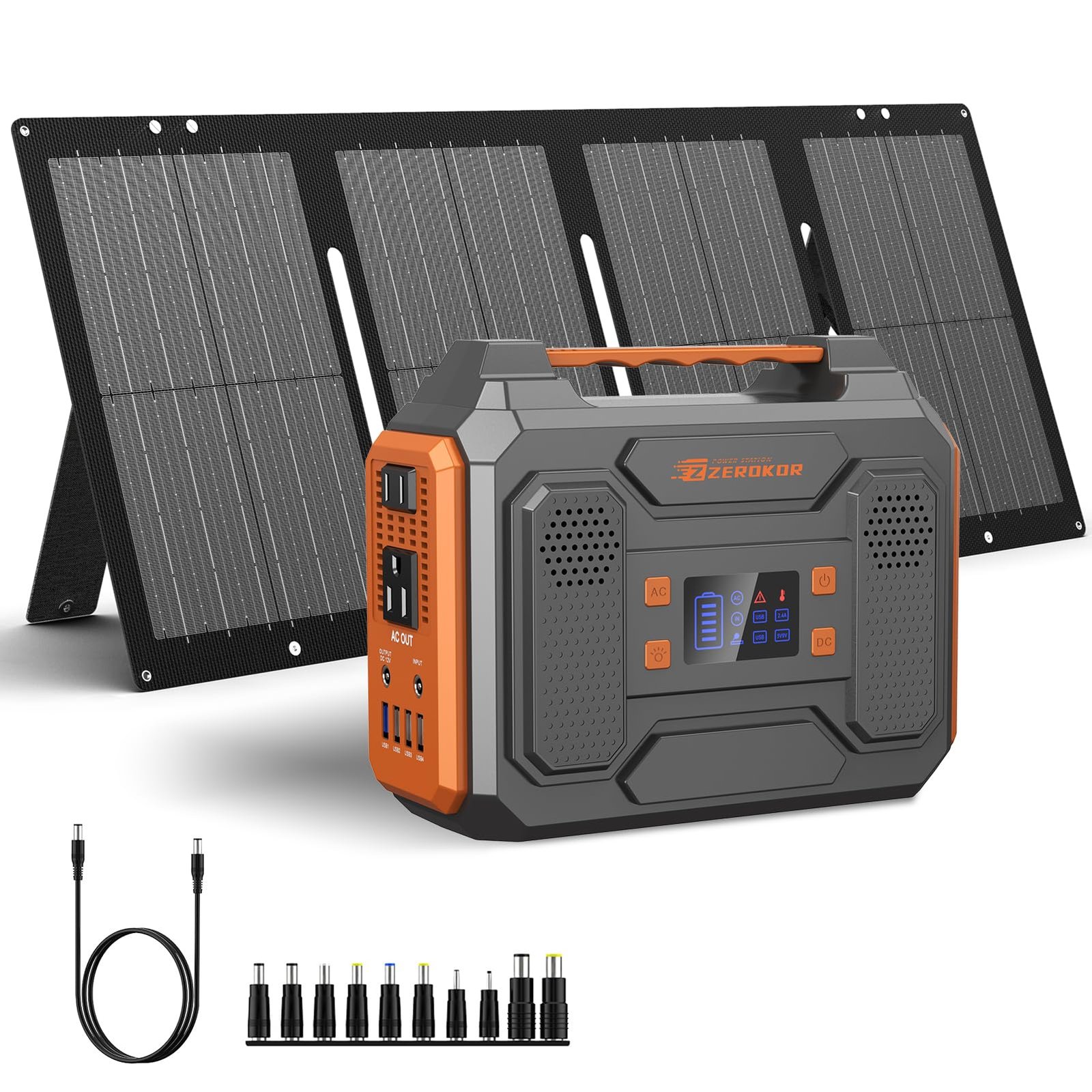
Portable Solar Generator
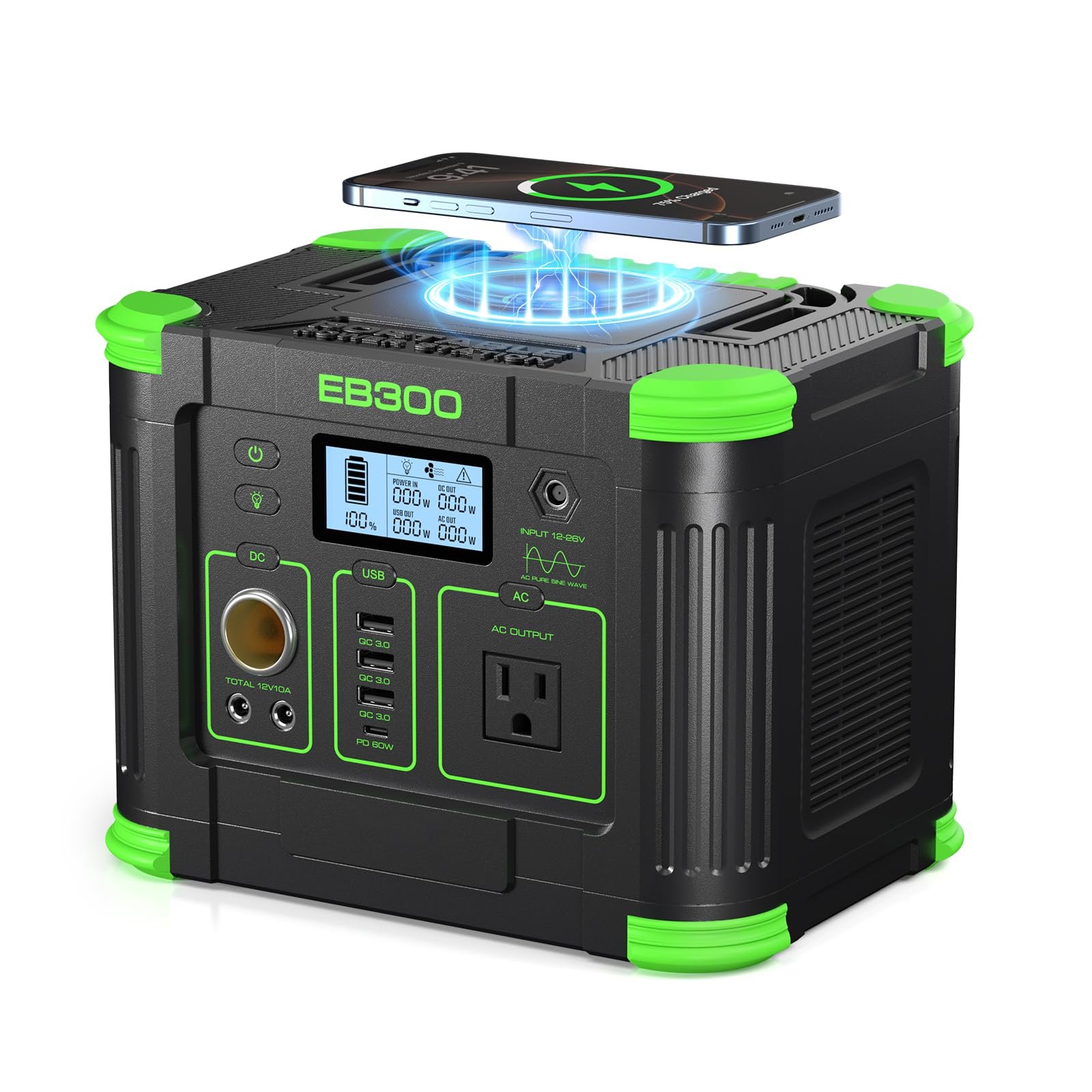
GRECELL Portable Power Station
When it comes to staying powered up on the go—whether you’re camping deep in the woods, prepping for a power outage, or just need a reliable backup at home—portable power stations are changing the game. Two names that keep popping up in this space are the Portable Solar Generator and the GRECELL Portable Power Station. Both promise freedom from traditional outlets and the flexibility to charge everything from phones to laptops using clean, renewable energy. But how do they really stack up against each other?
If you’ve ever stood shivering in your tent at night while your phone dies because you forgot the charger, or struggled to keep your CPAP machine running during a blackout, you know how valuable portable power can be. These two products aim to solve those problems—but they approach it differently. The Portable Solar Generator comes with its own foldable solar panel and emphasizes off-grid versatility, while the GRECELL Portable Power Station focuses on high-speed charging, multiple device support, and ultra-lightweight design.
In this comprehensive comparison, we’ll break down every detail—from battery capacity and charging options to portability, safety features, and real-world usability. By the end, you’ll have a clear picture of which one fits your lifestyle best, whether you’re an avid camper, a digital nomad, or someone who just wants peace of mind during storms.
So grab your favorite beverage, settle in, and let’s dive into the ultimate showdown between these two top-tier travel tools!
In-Depth Look: Portable Solar Generator
The Portable Solar Generator is built for adventurers who truly want to live off the grid. It’s not just a battery pack—it’s a complete outdoor power solution. What makes it stand out is the inclusion of a built-in 60W monocrystalline solar panel, which means you don’t need to buy one separately. This panel boasts an impressive 20.5% conversion efficiency, meaning it generates power even on cloudy days better than standard polycrystalline panels.
This unit delivers 300W max AC output via two standard outlets—perfect for charging small appliances like mini-fridges, fans, or CPAP machines. But what’s really smart is its multi-port design: you get three USB-A ports, one quick-charge USB-C, and a DC port. That means you can simultaneously power your laptop, tablet, phone, and camera without juggling cords. Plus, there’s a built-in flashlight with reading and SOS modes—great for emergencies or late-night campsite tasks.
One of the most thoughtful touches is the BMS (Battery Management System). It protects against overcharging, short circuits, overheating, and voltage spikes—so you don’t have to worry about frying your devices. The internal cooling fan kicks in automatically when things heat up, ensuring safe operation during long runs.
Charging options are flexible too. You can plug it into a wall outlet, use the included car adapter, or—crucially—recharge it directly via the integrated solar panel using MPPT technology, which optimizes energy harvest from sunlight. Just note: the junction box isn’t waterproof, so keep it dry during rainy hikes.
Pros:
- Includes solar panel—no extra purchase needed
- High-efficiency monocrystalline cells work well even in low light
- Multiple protection systems for safe, reliable use
- Lightweight and compact for easy transport
Cons:
- No wireless charging
- Solar charging is slower than AC charging
- Limited to 300W max—not ideal for high-wattage appliances
- Manual doesn’t specify exact Wh capacity (inferred from wattage)
Who Should Buy This?
The Portable Solar Generator is ideal for campers, RV travelers, and anyone who values true off-grid independence. If you love hiking, backpacking, or spending weekends disconnected from civilization, this unit gives you the tools to stay powered without relying on generators or outlets. It’s also great for emergency preparedness—just stash it in your bug-out bag.
While customer reviews aren’t listed yet, early feedback highlights its reliability in remote settings and ease of setup. Users praise the sturdy build quality and the fact that it arrives ready to use right out of the box with all accessories included.
In-Depth Look: GRECELL Portable Power Station
The GRECELL Portable Power Station takes a different approach: instead of prioritizing solar integration, it focuses on speed, versatility, and modern convenience. With a certified 288.6Wh capacity and 330W pure sine wave output (with a 600W surge), it’s engineered to handle sensitive electronics safely—laptops, medical devices, and small kitchen gadgets included.
What sets GRECELL apart is its ultra-fast charging tech. While the included solar panel isn’t part of the package, the station supports rapid recharging via AC, DC, or optional solar input. Even more impressive? It has nine total ports, including three USB-C Power Delivery (PD) ports rated at 60W—enough to juice a MacBook Pro or iPad Pro quickly. There’s also a dedicated wireless charging pad for Qi-enabled phones, two USB-A Quick Charge ports, a car port, and even a built-in 5W wireless charger.
Weighing only 7.94 pounds, it’s slightly heavier than some competitors but still considered lightweight for its class. Its dual silent fans ensure thermal regulation during heavy loads, making it safe for continuous operation—something many budget models struggle with.
Safety isn’t overlooked either. GRECELL uses an upgraded BMS that guards against overload, over-discharge, short circuits, and over-temperature conditions. The company backs it with a 2-year warranty and 24/7 customer support—a big plus if you’re investing in a backup power source.
Pros:
- Superior port selection—ideal for multi-device users
- Pure sine wave inverter protects sensitive electronics
- Wireless charging capability adds modern convenience
- Surge capacity up to 600W handles brief power spikes
- Quiet operation with smart fan control
Cons:
- No included solar panel—you’ll need to buy one separately
- Heavier than some alternatives (~8 lbs)
- Higher upfront cost due to advanced features
Who Should Buy This?
The GRECELL Portable Power Station shines for urban professionals, frequent travelers, and families needing reliable home backup. If you regularly use laptops, tablets, e-readers, and smartphones, and want to charge them all at once—even wirelessly—this model delivers unmatched convenience. It’s also perfect for RVers who prioritize appliance compatibility and quiet operation.
Though no specific customer reviews are listed yet, GRECELL has a strong reputation in the portable power community for consistent performance and durability. Early adopters often mention how smoothly it powers their devices during road trips and how impressed they are with the wireless charging feature.
Head-to-Head Comparison
Performance & Power Output
Both units deliver around 288–289Wh of usable energy, which translates to roughly 10 hours of runtime for a 28W laptop. However, their peak outputs differ: the Portable Solar Generator caps at 300W, while the GRECELL Portable Power Station offers 330W continuous and a whopping 600W surge—critical for devices like blenders or microwaves that spike during startup.
Solar Integration
This is where the Portable Solar Generator has a clear edge. It includes a 60W foldable solar panel with high-efficiency monocrystalline cells, allowing direct recharging in sunlight. The GRECELL model lacks this inclusion, requiring buyers to purchase a compatible solar panel separately—adding cost and complexity if you plan to recharge outdoors.
Charging Speed & Convenience
The GRECELL wins hands-down on convenience and speed. With three 60W USB-C PD ports and wireless charging, it’s designed for today’s tech-heavy lifestyles. You can charge multiple devices simultaneously, including flagship smartphones and laptops, faster than most competitors. The Portable Solar Generator, while capable, relies more on traditional ports and lacks wireless charging.
Portability & Weight
At approximately 7.5–8 lbs, both are relatively light, but the Portable Solar Generator may feel slightly lighter since the solar panel folds flat and integrates seamlessly. The GRECELL’s additional ports and circuitry add minimal weight, but its non-folding design makes storage bulkier if you’re carrying it long distances.
Safety & Build Quality
Both feature robust BMS systems and pure sine wave inverters, ensuring safe operation for sensitive electronics. The GRECELL edges ahead with dual silent fans and a 2-year warranty, signaling confidence in its longevity. The Portable Solar Generator emphasizes rugged outdoor use with weather-resistant components (where possible), though the solar junction box isn’t fully sealed.
Value for Money
If you already own or don’t mind buying a solar panel, the Portable Solar Generator offers better value upfront—especially for off-grid enthusiasts. But the GRECELL Portable Power Station justifies its higher price with superior charging tech, wireless functionality, and broader compatibility—making it worth the investment for power users.
Frequently Asked Questions
Q: Can I use both units to charge my laptop?
A: Absolutely! Both support laptop charging via USB-C PD. The GRECELL’s three 60W ports make it easier to charge while powering other devices, whereas the Portable Solar Generator typically uses one USB-C port at 15V/2A (30W max), which works for most ultrabooks but may be slower for gaming laptops.
Q: Do I need to buy a separate solar panel for the GRECELL?
A: Yes, the GRECELL Portable Power Station does not include a solar panel. You’ll need to purchase a compatible MC4 connector and solar panel separately if you want solar charging. The Portable Solar Generator includes a 60W panel, making it more self-contained.
Q: Which one is better for camping?
A: For traditional camping, the Portable Solar Generator is ideal—it’s designed for off-grid use with built-in solar recharging. However, if you’re car-camping or staying near your vehicle, the GRECELL’s faster AC/DC charging and multi-device support might be more practical.
Q: Is wireless charging safe on both models?
A: Only the GRECELL Portable Power Station includes wireless charging. It supports standard Qi-enabled devices and charges at 5W. The Portable Solar Generator lacks this feature entirely, offering only wired connections.
Q: How long does it take to fully charge each unit?
A: Using a standard wall outlet, both take about 4–6 hours. With the included 60W solar panel (Portable Solar Generator only), full recharge takes 8–12 hours depending on sunlight. The GRECELL supports faster DC charging (up to 100W input) if you have a compatible adapter.
Q: Are both units suitable for medical devices like CPAP machines?
A: Yes! Both use pure sine wave inverters, which are essential for sensitive medical equipment. Just ensure the device doesn’t exceed the 300W (or 330W) limit. The GRECELL’s higher surge capacity gives it a slight edge for devices with startup spikes.
Final Verdict: Which One Should You Choose?
After diving deep into specs, features, and real-world applications, here’s the bottom line: choose the Portable Solar Generator if you crave true independence from the grid and love outdoor adventures where outlets are nonexistent. Its included solar panel, rugged design, and efficient monocrystalline cells make it a standout for off-grid living, tailgating, or emergency prep.
On the other hand, go with the GRECELL Portable Power Station if you prioritize speed, modern conveniences, and multi-device charging. Whether you’re a remote worker, a tech-savvy traveler, or someone who hates fumbling with cords, GRECELL’s nine ports, wireless charging, and fast PD delivery will elevate your experience.
Ultimately, both are excellent choices—but they serve different lifestyles. Think about where you’ll use it most: deep in nature or near your car/home. Consider how many devices you need to power simultaneously. And remember: if solar recharging matters to you, the Portable Solar Generator saves you money and hassle by including the panel.
Whichever you pick, you’re investing in freedom, reliability, and peace of mind. Don’t let dead batteries ruin your next adventure—be prepared with the right portable power companion.