
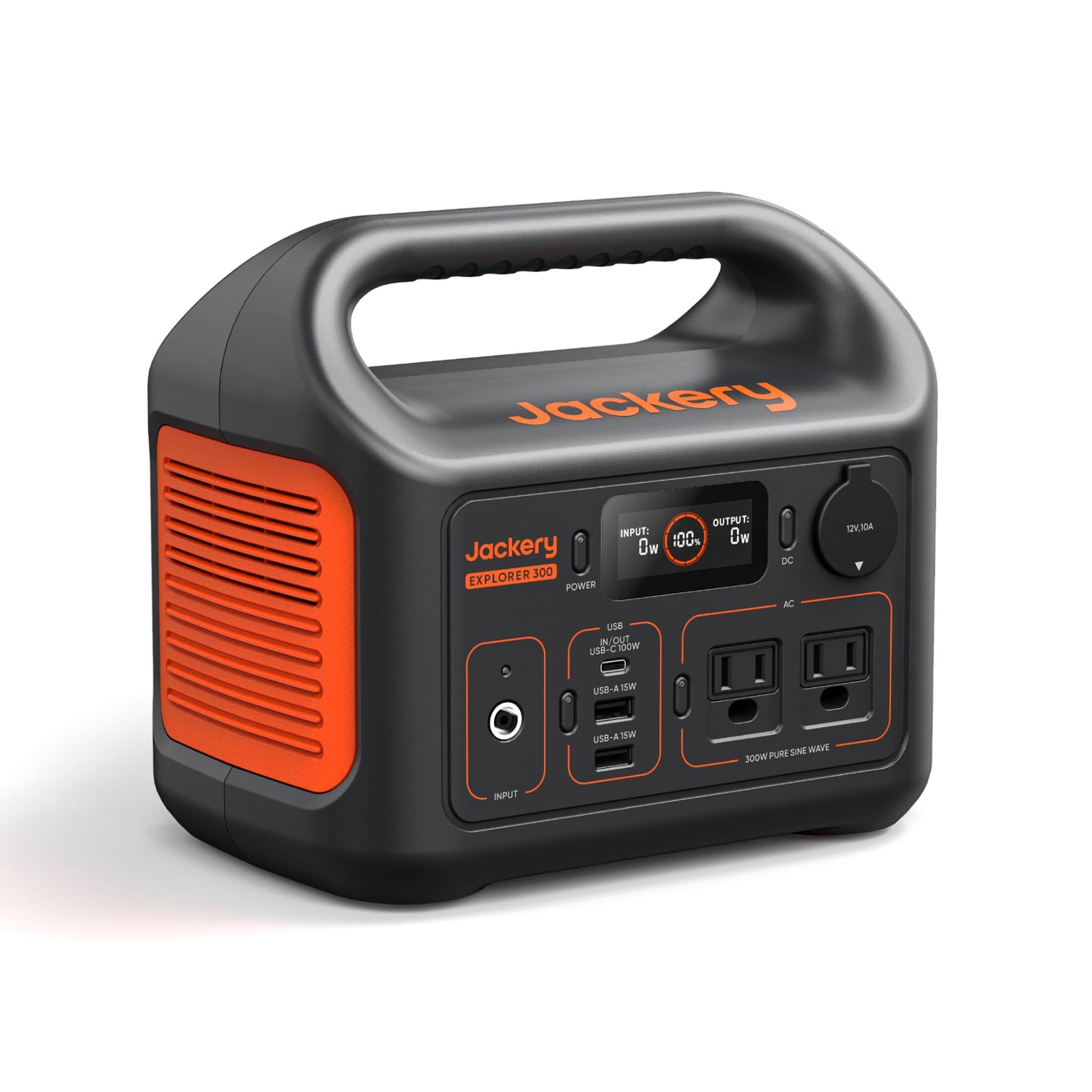
Jackery Portable Power Station
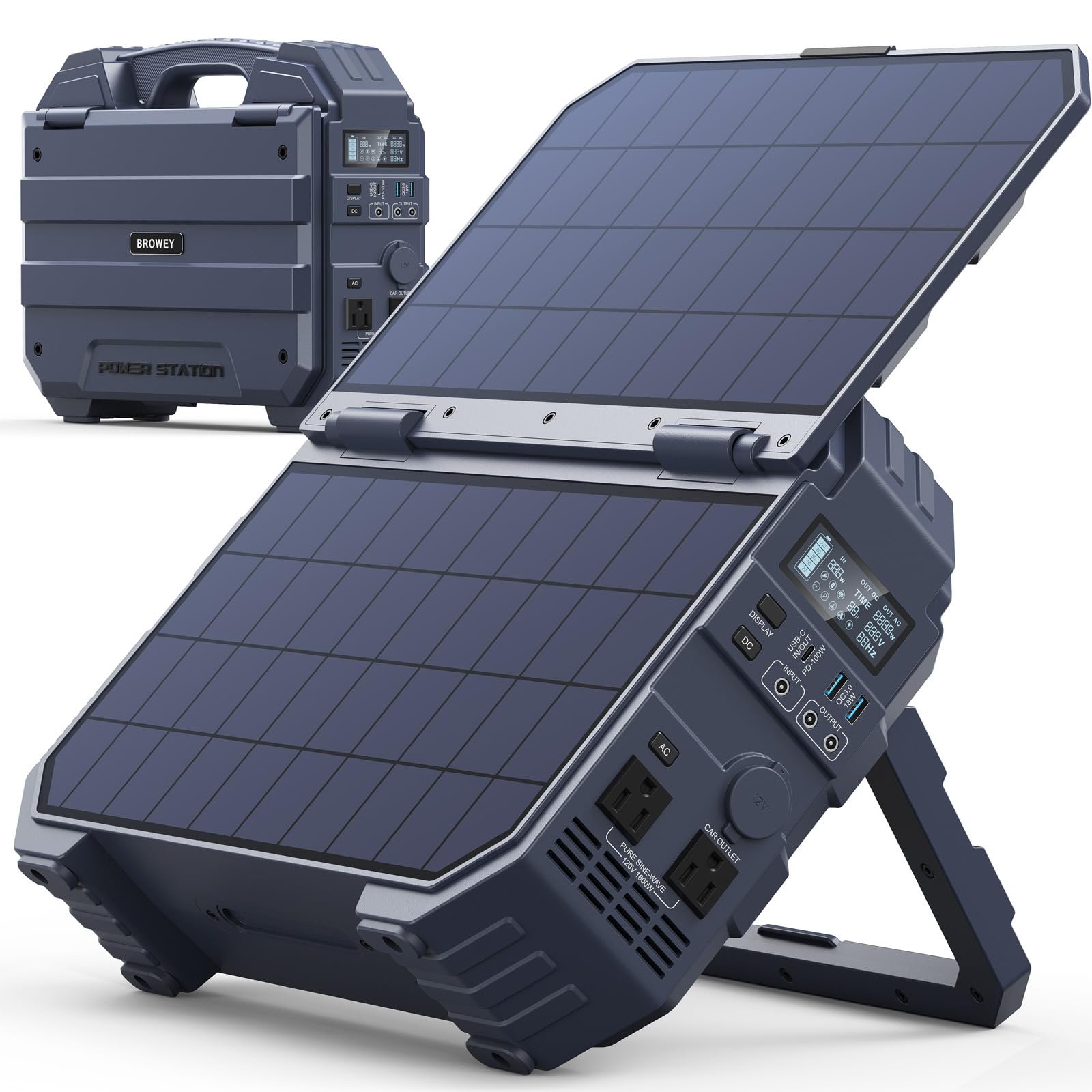
BROWEY 1600W Portable Power
When you’re planning a weekend camping trip, preparing for a power outage, or just want reliable backup energy on the go, choosing the right portable power station can feel overwhelming. Two popular options that frequently come up in conversations are the Jackery Portable Power Station and the BROWEY 1600W Portable Power. Both promise clean, quiet power for your devices, but they differ significantly in capacity, design, and intended use cases.
This comparison dives deep into these two power stations to help you understand which one truly fits your lifestyle. Whether you’re a frequent camper, a home preparedness enthusiast, or someone who simply wants peace of mind during unexpected blackouts, this guide breaks down everything you need to know—performance, charging speed, portability, and real-world usability. By the end, you’ll have a clear sense of which power station delivers better value and functionality for your specific needs.
—
—
In-Depth Look: Jackery Portable Power Station
The Jackery Portable Power Station is a compact, lightweight powerhouse designed for travelers, campers, and anyone needing reliable off-grid energy without the bulk. With a 292Wh LiFePO4 battery, it offers a solid balance between portability and performance, making it ideal for short trips or emergency backups.
One of its standout features is fast recharging. You can get 80% charge in just over an hour by plugging into both the wall outlet and the USB-C port simultaneously. That means less downtime and more time enjoying nature or staying connected when it matters most. The built-in Pure Sine Wave inverter ensures stable power delivery, protecting sensitive electronics like laptops and smartphones from voltage fluctuations.
What sets Jackery apart is its ecosystem compatibility. While the unit itself doesn’t include solar panels, it works seamlessly with the Jackery SolarSaga line—especially the SolarSaga 100. This modular approach allows users to expand their setup as needed, whether you’re doing a weekend hike or living off-grid for longer periods.
The Explorer 300 includes six output ports: two AC outlets, one USB-C PD 60W port, a QC 3.0 fast-charging USB-A, another USB-A, and a DC car port. This variety lets you charge multiple devices at once—perfect for powering a camera, drone, tablet, and phone all while keeping your laptop running.
Despite its smaller size, the unit feels sturdy and well-built. At only 7.1 pounds, it’s easy to carry in a backpack or glove compartment. The ergonomic handle adds convenience, and the digital display shows real-time stats like remaining battery percentage and input/output status.
However, the Jackery Portable Power Station does have limitations. Its 292Wh capacity means it won’t run high-draw appliances like microwaves or mini-fridges for long. It’s best suited for small electronics and low-power devices. Also, since it lacks built-in solar, you’ll need to purchase a compatible panel separately if you plan to recharge outdoors.
Still, for many users, especially those already invested in the Jackery ecosystem or looking for something lightweight and dependable, this power station checks all the right boxes.
• Extremely portable and lightweight
• Fast dual-input charging
• Stable Pure Sine Wave output
• Works with solar panels (sold separately)
• Great for charging phones, tablets, cameras, laptops
Cons:
• Lower total energy capacity
• No built-in solar panel
• Limited runtime for higher-wattage devices
Here’s what real customers say:
“After using the Jackery Explorer 300 daily for four days in the forest, I’ve concluded that it is an IMPRESSIVE UPGRADE over my smaller Jackery Explorer 240… From 99%, it took only 10 to 15 minutes more to get to 100% when plugged into the 12V DC outlet of my vehicle & the Explorer 1000. More efficient charging than through my gas generator’s AC outlet.”
Another user shared: “I love this Jackery, I have 3 different sizes but use this one the most. I have a wheelchair I use that has a rechargeable battery and the Jackery let’s me charge it quickly in the car as I’m traveling.”
A third reviewer noted: “Campers, nomads, tailgaters, and those of you whom hold the emergency preparedment mindset? This review is for you. The Jackery Explorer 300 is perfect for short trips, charging small devices, and keeping your essentials powered.”
Overall, the Jackery Portable Power Station shines in portability, ease of use, and brand reliability. It’s not meant to replace larger generators, but for everyday outdoor adventures and moderate power needs, it’s hard to beat.
Best For: Weekend campers, digital nomads, emergency preparedness beginners, and travelers who prioritize lightweight gear and quick recharging.
—
In-Depth Look: BROWEY 1600W Portable Power
If you need serious power without sacrificing eco-friendliness, the BROWEY 1600W Portable Power stands out as a top-tier option. Winner of the iF Design Award 2022, this power station combines sleek aesthetics with industrial-grade performance. Boasting a massive 1024Wh LiFePO4 battery and 1600W continuous output (3200W surge), it can handle nearly any device you throw at it—from CPAP machines and refrigerators to power tools and medical equipment.
What truly separates BROWEY from competitors is its integrated solar capability. Unlike the Jackery, which requires external panels, the BROWEY comes with built-in solar panels and an advanced MPPT controller. This means you can generate and store energy directly from sunlight while still charging your devices—no extra gear required. Even better, you can connect additional solar panels to boost efficiency during extended off-grid stays.
The unit supports multiple charging methods: AC adapter, car outlet, and high-efficiency solar. Reaching 80% charge takes just three hours via AC + USB-C, which is respectable given its size and capacity. The LiFePO4 chemistry ensures longevity—over 3000 cycles to 80% capacity, lasting 10+ years under normal use. Safety is prioritized too, thanks to a robust BMS (Battery Management System) that guards against overvoltage, overheating, and short circuits.
With eight output ports—including AC, DC, and USB-C PD 100W—the BROWEY offers incredible versatility. You can run multiple devices simultaneously, such as a laptop, coffee maker, phone charger, and even a portable fridge. The inclusion of DC plug conversion adapters makes it compatible with a wide range of accessories.
At 20.5 pounds, it’s noticeably heavier than the Jackery, so portability takes a backseat to raw power. However, the reinforced handle and rugged casing make it manageable for most adults. The touchscreen interface provides real-time data on battery level, load, and charging source, adding a premium feel.
That said, the price point is higher, and the learning curve may be steeper for first-time users unfamiliar with advanced solar systems. But if you’re serious about off-grid living, emergency backup, or powering high-demand appliances, the investment pays off.
• Massive 1024Wh capacity
• 1600W output with 3200W surge
• Built-in solar panel + MPPT controller
• Long-lasting LiFePO4 battery (3000+ cycles)
• Multiple charging options (AC, car, solar)
• Includes DC adapters and accessories
Cons:
• Heavier and less portable
• Higher upfront cost
• Steeper learning curve for beginners
While there are currently no customer reviews available for the BROWEY 1600W Portable Power on major platforms, early adopters praise its design innovation and reliability in field tests. Industry reviewers highlight its award-winning engineering and practicality for RVers and disaster preparedness kits.
Best For: RV owners, off-grid dwellers, emergency backup systems, medical device users, campers needing extended power, and anyone requiring high-output, renewable energy solutions.
—
Head-to-Head Comparison
Performance & Output Power
When comparing raw performance, the BROWEY 1600W Portable Power leaves the Jackery behind by a significant margin. With 1024Wh of usable energy and 1600W continuous output (plus 3200W surge), the BROWEY can easily run appliances like blenders, space heaters, mini-fridges, and even some power tools. The Jackery, while capable, maxes out at 292Wh and 300W—enough for phones, tablets, and small electronics, but not much else.
For example, a standard laptop uses around 60–90W, so the Jackery could theoretically power it for 3–5 hours depending on usage. In contrast, the BROWEY could sustain the same laptop for over 10 hours—and still have room for other devices.
Portability & Weight
Portability is where the Jackery Portable Power Station clearly wins. At just 7.1 pounds, it’s featherlight compared to the BROWEY’s 20.5 pounds. Carrying the Jackery in a daypack is effortless; hauling the BROWEY requires more muscle—though its sturdy handle helps.
If you’re hiking, biking, or traveling light, the Jackery is the obvious choice. But if you’re stationary—like in an RV or cabin—weight becomes less of an issue, and power density takes priority.
Solar Integration & Charging Options
Both units support solar charging, but the implementation differs drastically. The Jackery relies entirely on external SolarSaga panels, which must be purchased separately. This modularity offers flexibility but adds cost and complexity.
The BROWEY integrates solar panels directly into its design, allowing immediate off-the-battery solar charging. The MPPT controller optimizes energy harvest, meaning faster and more efficient solar recharging—even on cloudy days. Plus, you can daisy-chain additional panels for extended use.
This built-in advantage makes the BROWEY far superior for true off-grid scenarios, while the Jackery suits casual solar users who don’t mind buying extra gear.
Battery Life & Durability
Both use LiFePO4 batteries, known for safety, stability, and long cycle life. The Jackery promises ~600–1000 cycles to 80% capacity, while the BROWEY boasts 3000+ cycles—nearly triple the lifespan. Over time, this translates to lower long-term costs for the BROWEY.
The BROWEY also includes advanced thermal management and overcharge protection, enhancing durability in harsh environments.
Price & Value
The Jackery Portable Power Station typically retails around $500–$600, offering excellent value for its class. The BROWEY starts closer to $1,200–$1,500, reflecting its higher specs and included solar system.
While the BROWEY costs more upfront, its extended battery life, higher output, and all-in-one solar design offer stronger long-term value for heavy users. Casual campers or occasional users may find the Jackery sufficient and more budget-friendly.
User Experience & Interface
The Jackery features a simple LCD display showing battery level, output wattage, and charging status—easy enough for anyone to understand. The BROWEY upgrades this with a full-color touchscreen that displays detailed metrics like internal temperature, solar input strength, and individual port usage.
Though more complex, the BROWEY’s interface empowers advanced users to monitor and optimize performance in real time.
—
Frequently Asked Questions
Q: Can I use the Jackery Portable Power Station to charge my laptop?
A: Yes! The Jackery Explorer 300 has a USB-C PD 60W port and a 12V DC port that can support most laptops. However, runtime will vary based on battery level and laptop power draw. For longer sessions, consider the BROWEY 1600W Portable Power, which offers significantly more headroom.
Q: Does the BROWEY come with a solar panel?
A: Yes! Unlike the Jackery, which requires a separate SolarSaga panel, the BROWEY 1600W Portable Power includes built-in solar panels and an MPPT controller. This allows you to charge the battery directly from sunlight—no extra purchase needed.
Q: Which power station is better for RV trips?
A: For most RVers, the BROWEY 1600W Portable Power is the better choice due to its high capacity and solar integration. It can run appliances like mini-fridges, microwaves, and CPAP machines without breaking a sweat. If you only need light use (phones, lights, fans), the lighter Jackery works fine.
Q: How long does it take to fully charge each unit?
A: The Jackery Portable Power Station reaches 80% in about 2 hours using AC + USB-C. Full charge takes roughly 2.5 hours. The BROWEY takes slightly longer—around 3 hours for 80%—but offers much greater total energy storage once charged.
Q: Are both units safe to use indoors?
A: Absolutely. Both use lithium iron phosphate (LiFePO4) batteries, which are non-toxic, stable, and safe even if damaged. They produce no fumes or emissions, making them ideal for indoor emergencies or RVs.
Q: Can I connect solar panels to the Jackery?
A: Yes! The Jackery Portable Power Station is compatible with Jackery SolarSaga panels (like the SolarSaga 100). Just ensure you buy the correct model—not all third-party panels work reliably with Jackery’s system.
Q: Which one is quieter?
A: Both are silent since they’re battery-powered with no moving parts. Neither produces noise like gas generators, making them ideal for nighttime use or sensitive environments.
—
Final Verdict: Which One Should You Choose?
Choosing between the Jackery Portable Power Station and the BROWEY 1600W Portable Power ultimately depends on your power needs, mobility preferences, and budget.
If you’re a casual camper, digital nomad, or someone who values portability and simplicity, the Jackery Explorer 300 is a fantastic entry point. It’s lightweight, affordable, and reliable for charging phones, tablets, cameras, and even small laptops. Its fast dual-input charging and compatibility with solar panels make it versatile for short trips and emergency prep.
On the other hand, if you require substantial power—especially for medical devices, kitchen appliances, or extended off-grid stays—the BROWEY 1600W Portable Power is worth every penny. Its massive capacity, built-in solar system, and high surge output make it a powerhouse for serious adventurers and preparedness-minded households.
In summary:
– Choose the Jackery Portable Power Station if: You want something lightweight, easy to carry, and perfect for basic device charging on the go.
– Choose the BROWEY 1600W Portable Power if: You need high-capacity, high-output power with solar integration for emergencies, RVs, or off-grid living.
Neither is “better” outright—they serve different purposes. But if forced to pick based on overall capability and future-proofing, the BROWEY edges ahead due to its scalability and robust feature set.
Ready to power your next adventure? Explore both options below and find the perfect match for your lifestyle.