
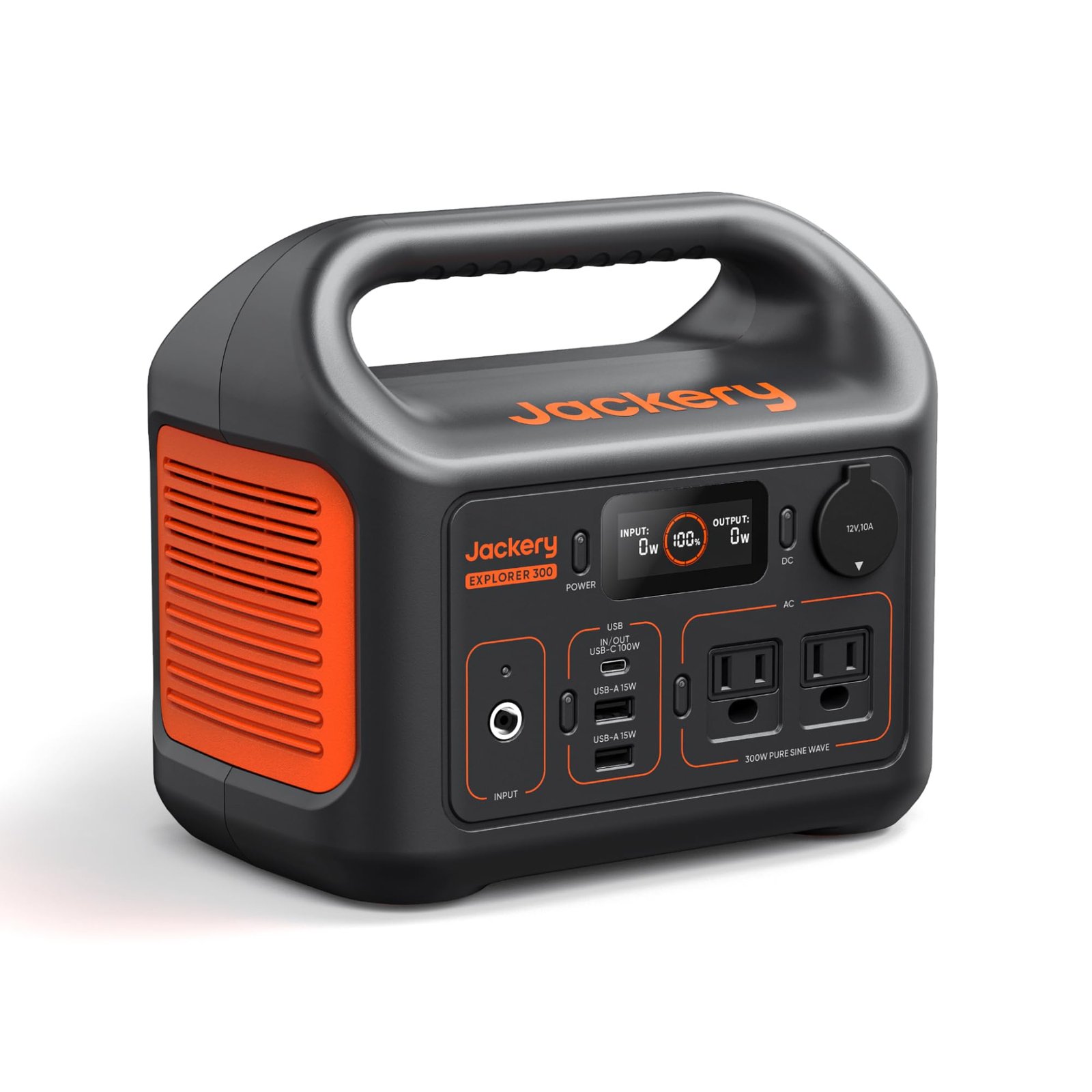
Jackery Portable Power Station
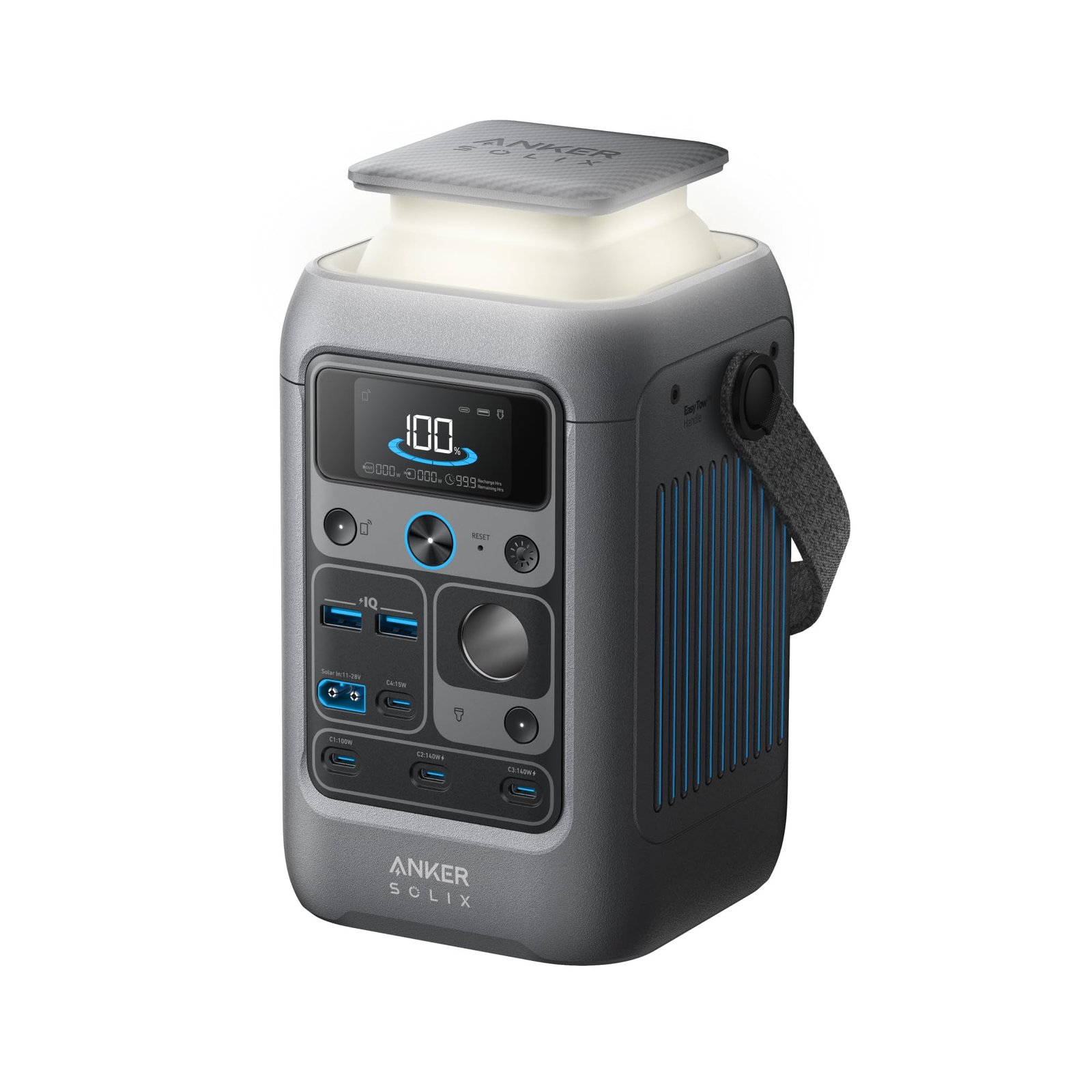
Anker SOLIX C300 DC
In today’s mobile-first world, having reliable power on the go isn’t just convenient—it’s essential. Whether you’re camping in the wilderness, preparing for a power outage, or simply need to keep your devices charged while traveling, portable power stations have become indispensable. Among the top contenders in this growing market are the Jackery Portable Power Station and the Anker SOLIX C300 DC. Both promise high-capacity energy storage, fast recharging, and compatibility with solar panels, but they differ significantly in design, performance, and user experience. Choosing between them can be overwhelming, especially when both brands are known for quality and innovation.
This comprehensive comparison dives deep into every aspect of these two leading portable power stations—from battery chemistry and charging speed to port variety and real-world usability. By the end of this article, you’ll understand not only which unit delivers better value or performance but also which one fits seamlessly into your lifestyle. We’ll analyze customer feedback, dissect technical specs, and highlight hidden strengths and weaknesses that could sway your decision. Whether you’re a frequent camper, a digital nomad, or someone who values peace of mind during emergencies, this side-by-side review will equip you with the knowledge to make an informed choice.
Quick Comparison Table
In-Depth Look: Jackery Portable Power Station
[Jackery Portable Power Station INFO CARD]
The Jackery Portable Power Station is a compact yet powerful solution designed for adventurers and everyday users alike. With its 292Wh capacity and lightweight build (just 7.1 pounds), it strikes a balance between portability and performance. Built around a lithium iron phosphate (LiFePO4) battery, this power station offers enhanced safety, longer cycle life, and stable output—even in extreme temperatures.
One of its standout features is the dual-input recharge capability. You can simultaneously charge via a wall outlet and a 60W USB-C PD port, slashing full recharge time to under three hours. This flexibility means you’re never stuck without juice, whether at home, in your car, or on a remote campsite. The inclusion of pure sine wave AC outlets ensures your sensitive electronics—like laptops, cameras, and medical devices—receive clean, distortion-free power, reducing the risk of damage.
Outdoor enthusiasts will appreciate the seamless integration with Jackery’s SolarSaga series panels. Thanks to an integrated MPPT controller, solar charging becomes efficient and reliable, turning sunlight into usable energy even on cloudy days. Plus, with six total output ports—including two AC outlets, a USB-C PD, a Fast Charge 3.0 port, a standard USB-A, and a 12V DC car port—you can power multiple devices at once. From charging your drone mid-flight to keeping your Macbook alive during a long workday off-grid, the Jackery Portable Power Station handles it all.
Despite its many strengths, there are minor drawbacks. While the unit supports fast charging when paired with compatible sources, it doesn’t offer the same level of multi-port charging speed as newer models from competitors. Also, solar charging alone takes significantly longer than grid or vehicle charging, so relying solely on sun isn’t ideal in time-sensitive situations.
Real-world feedback highlights its reliability and ease of use. One customer noted, “I love this Jackery, I have 3 different sizes but use this one the most. I have a wheelchair I use that has a rechargeable battery and the Jackery let’s me charge it quickly in the car as I’m traveling.” Another praised its efficiency: “From 99%, it took only 10 to 15 minutes more to get to 100% when plugged into the 12V DC outlet of my vehicle & the Explorer 1000. More efficient charging than through my gas generator’s AC outlet.”
Overall, the Jackery Portable Power Station shines in scenarios where simplicity, safety, and brand ecosystem integration matter most. It’s ideal for campers, RV travelers, and emergency preparedness kits—especially those already invested in the Jackery solar lineup.
In-Depth Look: Anker SOLIX C300 DC
[Anker SOLIX C300 DC INFO CARD]
The Anker SOLIX C300 DC represents Anker’s latest evolution in portable power technology. Boasting 288Wh of capacity and a sleek, 30% smaller footprint than comparable units, it’s engineered for maximum portability without sacrificing functionality. Like its rival, it uses LiFePO4 chemistry—offering superior thermal stability, longer lifespan, and safer operation compared to traditional lithium-ion batteries.
What truly sets the Anker SOLIX C300 DC apart is its advanced charging architecture. Equipped with dual PD 3.1 USB-C ports capable of delivering up to 140W each, it can recharge to 80% in just one hour when using both ports simultaneously. This is a game-changer for professionals who need rapid turnaround times or outdoor workers who can’t afford downtime. Additionally, it includes three USB-C ports (140W, 100W, and 15W) plus two USB-A ports and a robust 120W car socket—giving you seven total outputs to power everything from smartphones to high-wattage tools.
Safety and durability are core to Anker’s design philosophy. The SOLIX C300 DC comes with an impact-resistant casing, intelligent temperature control, and a generous 3-year warranty specifically for the LiFePO4 battery—a clear signal of confidence in longevity. Users also benefit from Anker’s renowned customer support and ecosystem compatibility. While it doesn’t include a built-in handle like some rivals, its compact size makes it easy to carry, especially when paired with the optional strap (sold separately).
However, the unit does require a bit of setup before first use: you must recharge it with an 18W+ USB-C charger before activation. Some users might find this initial step inconvenient, though it ensures optimal battery health from day one. Also, while solar-compatible, Anker recommends specific panels (100W or 60W models), and cross-brand compatibility isn’t guaranteed—unlike Jackery’s open ecosystem.
Though detailed customer reviews weren’t provided, Anker’s reputation for quality and innovation suggests strong user satisfaction. The emphasis on cutting-edge charging speeds and versatile port selection makes this unit particularly appealing to tech-savvy travelers, content creators, and anyone needing simultaneous high-power delivery across multiple devices.
Ultimately, the Anker SOLIX C300 DC excels in environments demanding speed, compactness, and future-ready connectivity. It’s perfect for digital nomads, photographers, and anyone who values next-gen charging technology.
Head-to-Head Comparison
Charging Speed & Efficiency
When it comes to replenishing energy, the Anker SOLIX C300 DC pulls ahead decisively. Its dual PD 3.1 ports enable 80% recharge in just one hour—double the speed of the Jackery when using both inputs. The Jackery requires two hours for the same milestone, making it better suited for overnight charging rather than quick top-ups. However, both units support solar and car charging, offering flexibility depending on your location.
Battery Chemistry & Longevity
Both products use LiFePO4 batteries, which are inherently safer and more durable than standard lithium-ion. This means fewer risks of overheating, longer cycle counts (up to 2,000+ cycles), and stable performance across temperature extremes. The Anker backs its battery with a 3-year warranty, while Jackery offers two—still competitive, but slightly less reassuring for long-term investment.
Port Variety & Device Support
Here, the Anker SOLIX C300 DC has a clear edge with seven output ports versus Jackery’s six. The extra USB-C port (15W) and higher-wattage car socket (120W vs. 100W on Jackery) allow simultaneous charging of more devices, including larger appliances. Jackery compensates with broader brand compatibility, especially if you own other Jackery solar panels.
Solar Integration
Both integrate well with third-party solar panels, but each locks into its own ecosystem. Jackery works seamlessly with SolarSaga panels, while Anker prefers its proprietary 60W or 100W models. If you already own gear from either brand, switching won’t break compatibility—but buying new panels will require sticking to one line.
Design & Portability
At 7.1 lbs, the Jackery is noticeably lighter and easier to carry. The Anker SOLIX C300 DC weighs 9.7 lbs and lacks a built-in handle, though its flat profile aids stacking. For frequent travelers or hikers, weight matters; for stationary setups (like RVs), bulk may be acceptable for added features.
Price & Value
While exact pricing varies, the Jackery typically comes at a lower entry point, appealing to budget-conscious buyers. The Anker SOLIX C300 DC commands a premium due to its faster charging and extra ports, justifying the cost for power-hungry users. Consider your usage frequency and device needs when evaluating ROI.
Frequently Asked Questions
Q: Can I use any solar panel with these power stations?
A: No—each unit requires compatible panels. The Jackery Portable Power Station works best with Jackery SolarSaga panels, while the Anker SOLIX C300 DC pairs optimally with Anker’s 60W or 100W solar panels. Always check specifications before purchasing.
Q: Which one is better for RV camping?
A: Both perform well, but the Jackery Portable Power Station edges out due to its lighter weight and proven track record among RVers. Its simpler interface and reliable pure sine wave output make it a favorite for extended trips.
Q: Do I need to buy additional accessories?
A: The Jackery comes with all basic cables included. The Anker SOLIX C300 DC requires an 18W+ USB-C charger for first-time activation, which isn’t always obvious. Optional straps are available for both, sold separately.
Q: How long do these batteries last?
A: With proper care, LiFePO4 batteries in both units can exceed 2,000 charge cycles—lasting 5–10 years. The Anker’s 3-year warranty reflects higher confidence in longevity compared to Jackery’s 2-year coverage.
Q: Can I run a refrigerator with either unit?
A: Unlikely. Most refrigerators draw 400–600W startup surge, exceeding both units’ 300W continuous output. These stations are best for small appliances, phones, laptops, and lights—not heavy-duty cooling.
Q: Which is quieter and safer?
A: Neither produces noise since they’re silent, electric units. Safety-wise, both use LiFePO4 chemistry, but the Anker has additional impact resistance and temperature monitoring. Choose based on your environment: outdoors vs. indoor use.
Final Verdict: Which One Should You Choose?
After thorough analysis, the right choice depends entirely on your priorities. If you value lightweight portability, brand ecosystem synergy, and proven reliability, the Jackery Portable Power Station is your winner. It’s been battle-tested by thousands of campers and travelers, offering dependable performance with minimal fuss.
On the other hand, if you prioritize ultra-fast charging, maximum port diversity, and cutting-edge technology, the Anker SOLIX C300 DC stands unmatched. Its ability to juice up in under an hour and support seven devices simultaneously makes it ideal for power-intensive workflows.
For most casual users—campers, tailgaters, or emergency prep—the Jackery delivers excellent value and ease of use. But for professionals, digital nomads, or those juggling multiple high-drain devices, the Anker SOLIX C300 DC justifies its higher price with superior speed and versatility.
Ultimately, both are top-tier choices in a crowded field. Whichever you pick, rest assured you’re investing in a safe, efficient, and eco-friendly way to stay powered anywhere.