
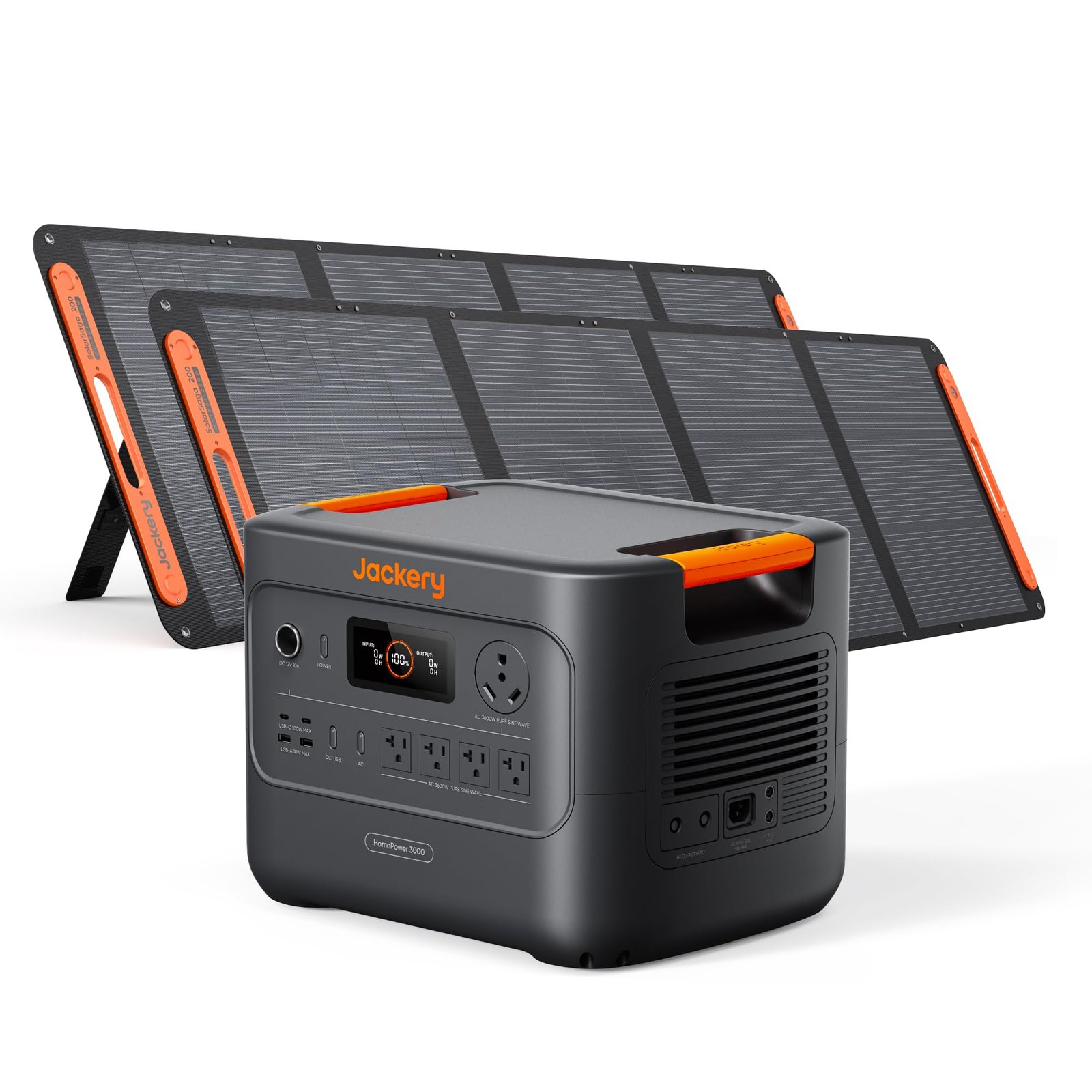
Jackery HomePower 3000 Portable
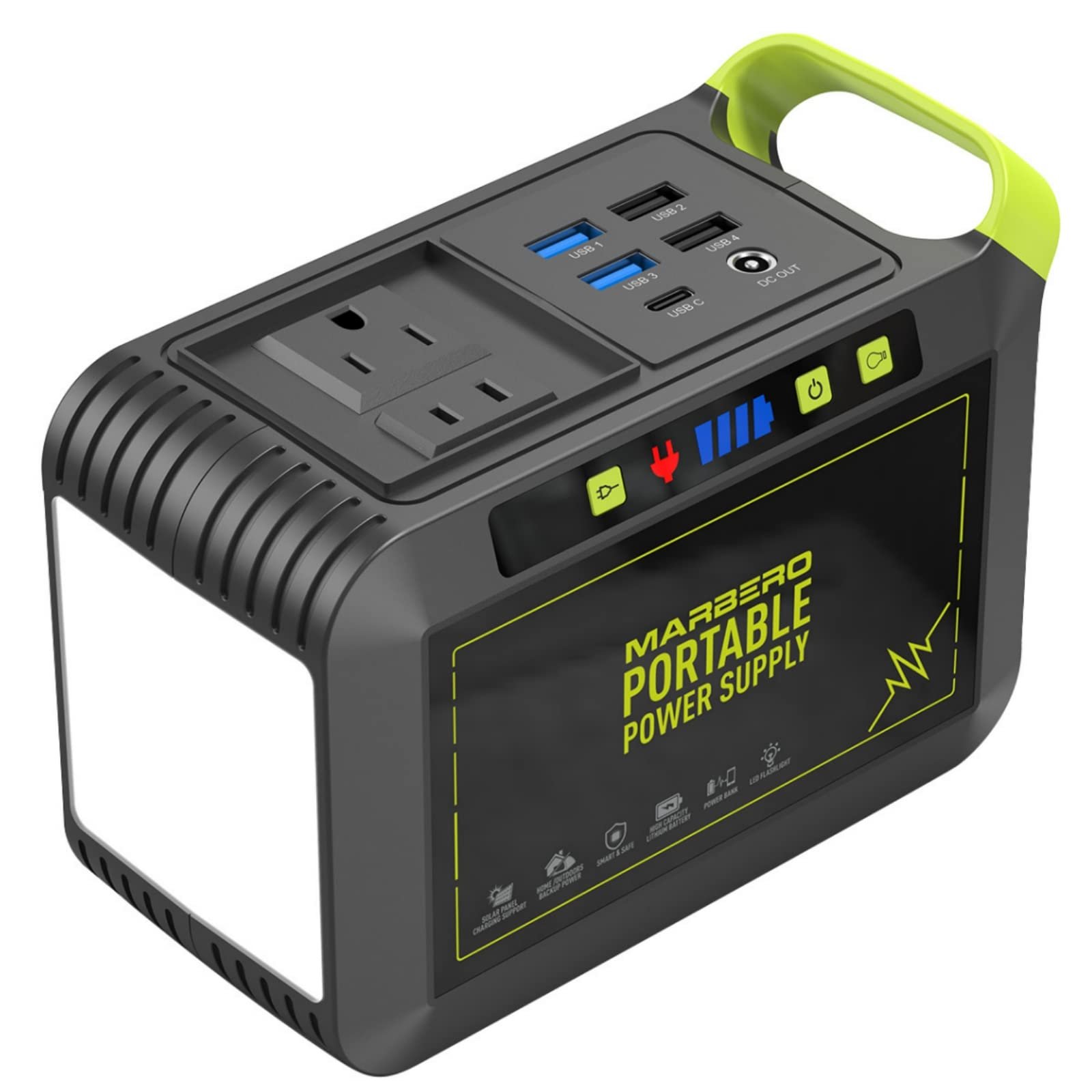
MARBERO Portable Power Station
Picture this: you’re in the middle of a power outage during a storm, and your refrigerator has just stopped humming. Or maybe you’re on a weekend camping trip, and your phone is about to die with no outlet in sight. These moments make you realize how crucial reliable portable power really is. That’s why I decided to put two very different power stations head-to-head—the massive Jackery HomePower 3000 Portable and the surprisingly compact MARBERO Portable Power Station. One could power your entire home for hours, while the other fits in your backpack. But which one actually delivers when it counts?
This isn’t just another technical comparison—it’s a real-world showdown based on performance, practicality, and who each unit is truly designed for. Whether you’re preparing for emergencies, hitting the road for adventure, or just need backup juice for your gadgets, understanding what each device brings to the table will help you make the smartest choice. By the end of this article, you’ll know exactly which portable power solution matches your lifestyle, needs, and budget.
Quick Comparison Table
In-Depth Look: Jackery HomePower 3000 Portable
The Jackery HomePower 3000 Portable isn’t just another battery pack—it’s a mini power grid designed for serious energy needs. With a massive 3,072Wh capacity and up to 3,600W continuous output (7,200W surge), this unit can handle everything from medical equipment to full-sized refrigerators without breaking a sweat. What sets it apart is its seamless UPS mode, which kicks in in less than 20 milliseconds during outages—perfect for protecting sensitive electronics like servers, routers, or even life-support devices.
One of the standout features is its hybrid charging capability. You can plug it into both AC and DC simultaneously and recharge it in just 1.7 hours—far faster than most competitors. Pair it with the included 2x200W SolarSaga panels, and you can top it up using sunlight in under 9 hours. The built-in LiFePO4 battery not only lasts longer but also maintains 70% capacity after 4,000 charge cycles, meaning it’ll still be performing well years down the line.
Physically, it’s surprisingly compact for its size thanks to Jackery’s Cell-to-Board (CTB) technology. Despite holding over 3 kWh of energy, it’s 47% smaller and lighter than similar models. The honeycomb-structured bottom adds durability, while the telescoping handle and rugged wheels make moving it around your garage or campsite effortless. It also includes a TT-30 RV port, making it ideal for off-grid adventures or RVers who need reliable backup power.
That said, there are trade-offs. At nearly 40 pounds, it’s heavy for frequent transport. And while the price is competitive for its class, it’s still significantly more expensive than basic units. Plus, customer reviews note that the solar panels ship separately, so you’ll need to wait a bit longer if you order them together.
Here’s what real users are saying:
- “I’ve owned other power stations, but Jackery beats the daylight out of them. The reliability is unbelievable. It has many protections built in. You could do nothing wrong with this thing.”
- “Purchased for elk hunting in the Goat Rocks wilderness. Charged via wall socket in 3 hours, ran fridge, heater, and laptop all day. Recharged with a gas generator easily.”
- “The cart accessory works great—husband added a plywood platform for better stability. Wheels roll smoothly on pavement and grass.”
The Jackery HomePower 3000 Portable shines brightest when you need serious backup power at home or on the go. If you’re preparing for hurricanes, dealing with frequent outages, or want to run high-wattage appliances like microwaves or air conditioners, this unit delivers unmatched reliability and performance. It’s best suited for homeowners, outdoor enthusiasts, and anyone needing dependable emergency preparedness tools.
In-Depth Look: MARBERO Portable Power Station
The MARBERO Portable Power Station takes a completely different approach—compact, lightweight, and focused on everyday convenience rather than industrial-grade power. Weighing only 3.2 pounds and measuring just 6.5 x 4.6 x 3.1 inches, it fits snugly in any backpack, glove compartment, or kitchen drawer. Yet despite its tiny footprint, it packs eight output ports and supports up to 100W AC output, making it surprisingly versatile.
What truly impresses is its charging speed. Using the included adapter, you can get from dead to 80% charged in just two hours—and while doing so, it can simultaneously power small devices like phones, tablets, or drones. This dual-function capability turns it into something akin to a multi-port charging station, perfect for road trips or camping where space and weight matter most.
Safety is clearly a priority here. The built-in Battery Management System (BMS) monitors voltage, temperature, and load conditions, shutting off power automatically if anything goes wrong. The unit also features cooling vents and uses UL-certified cylindrical batteries, meeting strict safety standards. Even better, it comes drop-tested from 0.9 meters, so drops won’t ruin your day.
A unique feature is its integrated LED flashlight with three brightness settings plus an SOS mode. In emergencies, that light can last up to 68 hours on low—ideal for car breakdowns, blackouts, or late-night hikes. The compact design means you don’t have to carry separate flashlights or lanterns.
However, limitations become apparent quickly. With only 88Wh capacity, it can’t run larger appliances like refrigerators or microwaves for long. It’s best used for small electronics, lights, and emergency communication devices. There’s no UPS mode, so sudden power loss could interrupt sensitive tasks. And while solar charging is supported, you’ll need to source compatible panels separately—they’re not included in the base package.
Unfortunately, there are no verified customer reviews available yet, which makes assessing long-term reliability tricky. But initial impressions suggest it’s built for short-term, light-duty use rather than heavy lifting.
The MARBERO Portable Power Station is perfect for campers, travelers, students, or anyone who wants a lightweight backup solution for phones, laptops, and small gadgets. If you’re heading to remote areas without outlets, need a compact emergency kit, or simply want peace of mind knowing your devices stay powered, this little powerhouse delivers impressive value.
Head-to-Head Comparison
Power & Performance
The difference in raw power between these two couldn’t be starker. The Jackery HomePower 3000 Portable offers 3,072Wh capacity and 3,600W output—enough to keep a refrigerator running for two days or power a full home setup during an outage. Its ultra-fast recharge time (under 2 hours) and solar compatibility make it ideal for extended off-grid use.
In contrast, the MARBERO Portable Power Station delivers only 88Wh and 100W AC output. While sufficient for charging phones, tablets, and small electronics, it falls short when faced with higher-demand appliances. Think of it as a smartphone charger versus a full-wall charger—same purpose, wildly different capabilities.
Portability & Design
Here, the MARBERO wins hands down. At 3.2 pounds, it’s featherlight and pocket-sized, making it ideal for backpacking, hiking, or slipping into your car’s center console. The ergonomic handle and slim profile ensure easy transport anywhere.
The Jackery, while innovative in its compact engineering for a 3kWh unit, still weighs nearly 40 pounds. Though it has wheels and a telescoping handle, lugging it across rough terrain or up stairs remains a challenge. It’s designed more for stationary backup (garage, campsite base) than constant mobility.
Charging Flexibility
Both support multiple charging methods, but the Jackery offers far greater flexibility. It accepts AC, DC, solar, and can be topped up by a gas generator—ideal for situations where electricity isn’t available. The MARBERO works with AC and solar (with compatible panels), but lacks the redundancy options.
Safety & Reliability
Jackery leads in safety certifications and advanced protection features. Its LiFePO4 chemistry is inherently safer than standard lithium-ion, with better thermal stability. The UPS mode ensures zero disruption during outages—critical for medical devices or critical systems.
The MARBERO includes essential BMS protection and UL certification, but doesn’t offer the same level of surge handling or seamless transition during power loss. It’s safe for typical consumer use but not rated for mission-critical applications.
Value for Money
The MARBERO is undeniably the budget-friendly option, typically priced under $200. For casual users needing occasional backup power, it’s excellent value.
The Jackery costs over $2,500—a premium justified by its industrial-grade specs, longevity, and home-backup capabilities. If you need serious power, it’s worth every penny; otherwise, it’s overkill.
Frequently Asked Questions
Q: Can the MARBERO run a refrigerator?
A: No, it’s not designed for high-power appliances. With only 88Wh capacity, it can briefly start small fridges but quickly depletes. The Jackery HomePower 3000 Portable, with 3,072Wh, can run a fridge for 1–2 days continuously.
Q: Does the Jackery include solar panels?
A: Not always. Some packages bundle two 200W SolarSaga panels, but they often ship separately. Check the listing details before purchasing. The MARBERO does not include solar panels—you’ll need to buy them separately.
Q: Which one has better battery life?
A: The Jackery HomePower 3000 Portable uses durable LiFePO4 cells rated for 4,000 cycles while retaining 70% capacity. The MARBERO uses standard lithium-ion with unspecified cycle life—likely fewer than Jackery’s offering.
Q: Is either unit suitable for medical devices?
A: Only the Jackery HomePower 3000 Portable qualifies. Its UPS mode (< 20ms switch) ensures uninterrupted power for sensitive equipment like CPAP machines or insulin coolers. The MARBERO lacks this feature.
Q: Can I use both units while camping?
A: Yes! Use the MARBERO for personal devices and lighting, then deploy the Jackery as your central power hub for cooking, refrigeration, and charging larger gear. They serve complementary roles.
Q: How long do the LEDs last on the MARBERO?
A: On low setting, the built-in flashlight runs for up to 68 hours. Medium = 48 hours, high = 37 hours. Includes SOS strobe mode for emergencies.
Q: Which one charges faster?
A: The Jackery HomePower 3000 Portable recharges fully in just 1.7–2.2 hours via AC/DC hybrid. The MARBERO reaches 80% in 2 hours but may take longer to reach 100%. Jackery wins on total recharge speed.
Final Verdict: Which One Should You Choose?
If you need serious backup power for your home, RV, or medical devices, the Jackery HomePower 3000 Portable is the clear winner. Its massive capacity, lightning-fast recharge, UPS functionality, and rugged LiFePO4 battery make it a true emergency power solution. Yes, it’s heavy and expensive—but when seconds count during outages, those trade-offs pay dividends.
On the flip side, if you’re looking for a lightweight, affordable companion for camping, road trips, or daily gadget charging, the MARBERO Portable Power Station
Ultimately, choose the Jackery if you want peace of mind for emergencies and home backup. Pick the MARBERO if you prioritize portability and budget without sacrificing core functionality. Both solve real problems, just for very different lifestyles.
Whichever you pick, you’re investing in reliability—because in today’s world, staying connected shouldn’t depend on luck.