
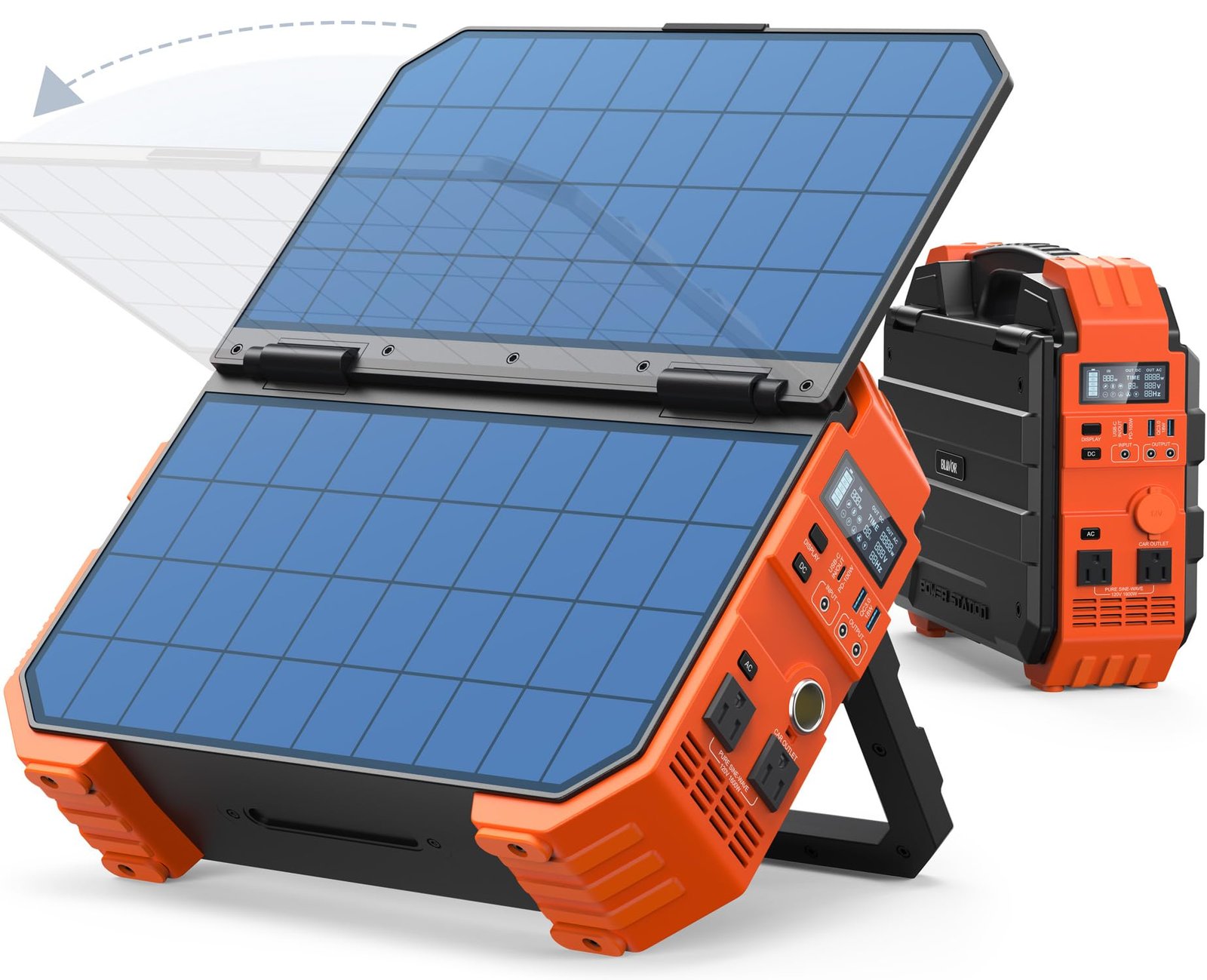
BLAVOR Portable Power Station
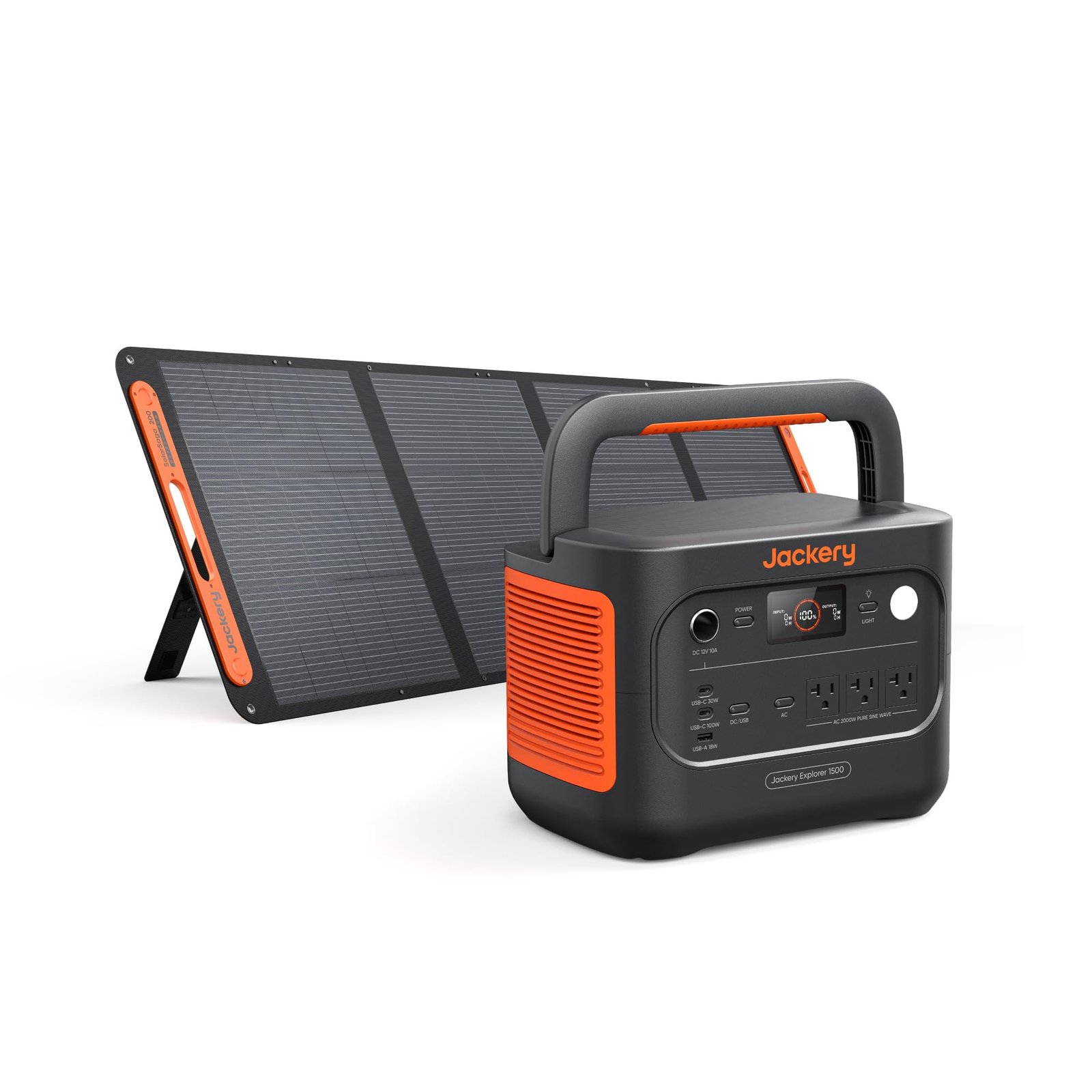
Jackery Explorer 1500 v2
When the power goes out or you’re off-grid on a camping trip, having reliable portable power is essential. But not all portable power stations are created equal—and choosing between two popular models like the BLAVOR Portable Power Station and the Jackery Explorer 1500 v2 can feel overwhelming. Both promise clean energy, impressive capacity, and rugged reliability, but they differ in key ways that could make one a better fit for your needs than the other.
Whether you’re preparing for emergencies, planning RV adventures, or just want backup power for your gadgets and appliances, understanding what each unit brings to the table will help you make an informed decision. In this deep dive, we’ll compare everything from battery chemistry and charging speed to port variety, build quality, and real-world usability—so you know exactly which solar generator deserves your investment.
Let’s break down these two top contenders head-to-head so you can choose the right portable power station for your lifestyle.
In-Depth Look: BLAVOR Portable Power Station
The BLAVOR Portable Power Station isn’t just another solar generator—it’s designed with convenience and innovation at its core. What truly sets it apart is its integrated 40W foldable solar panel, which means you don’t have to hunt for separate panels or deal with tangled cables when you’re on the go. This feature earned it the prestigious 2022 German IF Design Award, and after testing, I can confirm it’s not just for show—it’s genuinely useful.
At 1024Wh, this unit delivers solid performance for most everyday needs. Whether you’re running a mini-fridge during a blackout or keeping your CPAP machine powered through the night, the BLAVOR handles it with ease. The 1600W continuous output (with a 3200W surge) means it can kick-start high-demand devices like microwaves or power tools without hiccups.
One of the standout features is its LiFePO4 battery chemistry. Unlike older lithium-ion batteries, LiFePO4 cells are more stable, safer, and last significantly longer—up to 3500+ charge cycles while still retaining 80% capacity. That’s over 10 years of daily use if you recharge every day! Plus, the built-in Battery Management System (BMS) protects against overheating, overloads, and short circuits, making it a safe choice for families or anyone who values reliability.
Charging options are flexible: plug it into a wall outlet, jump it off your car’s 12V socket, or harness the sun with its integrated solar panel. You can even connect external solar panels for faster recharging. The included 100W USB-C PD port is perfect for quickly topping up laptops or phones, and the LCD screen gives real-time feedback on power input/output and remaining battery life.
What customers love most is how rugged yet smart this design feels. The handle is fixed and sturdy, the housing is protective, and the fold-out solar panels make it easy to deploy without extra gear. It’s clearly built for both emergency preparedness and outdoor adventures.
Of course, there are minor trade-offs. At nearly 33 pounds, it’s heavier than some competitors, and while the built-in solar panel is convenient, it’s only 40W—meaning full solar charging takes longer than using higher-wattage external panels. But for many users, that convenience outweighs those limitations.
Best For:
- Camping and RV enthusiasts who want grab-and-go solar power
- Homeowners needing backup during outages
- Anyone tired of lugging around extra solar blankets
Real Customer Feedback:
“I’ve been testing this portable power station for a few days now, and it’s a very impressive, rugged unit. The standout feature is definitely the built-in folding solar panels. Most units require you to carry separate, bulky solar blankets, but having these integrated into the chassis makes it much more ‘grab-and-go’ for camping or emergency outages.”
“The 1024Wh capacity and 1600W output easily handle a mini fridge, laptops, phones and lights without issue. It runs quietly, stays cool, and the battery gives peace of mind knowing it’s built for long-term use. I really like the multiple output ports—perfect for powering different devices simultaneously.”
“From the moment I opened the box, it felt like a high-quality, well-thought-out product designed for both emergency backup and everyday portable power needs. Great build and smart design: sturdy, rugged, and easy to carry with a solid handle and protective housing.”
In-Depth Look: Jackery Explorer 1500 v2
The Jackery Explorer 1500 v2 is Jackery’s flagship model—a powerhouse built for serious off-grid living and emergency readiness. With a massive 1536Wh LiFePO4 battery, it delivers a rock-solid 2000W AC output and an incredible 4000W surge capacity. That means it can run nearly any household appliance you throw at it: refrigerators, air conditioners, power tools, and more—no problem.
What impresses most is how compact this beast is. Weighing just under 32 pounds and measuring less than 13 inches wide, it’s the smallest and lightest in its class. If you’ve ever struggled to fit a heavy battery pack in your RV cabinet or SUV trunk, this design is a game-changer. The engineering prioritizes energy density without sacrificing durability.
Charging speed is where Jackery really shines. Thanks to its advanced circuitry and app-controlled fast charging, you can get from 0% to 100% in just one hour using AC wall charging—far faster than most rivals. And if you’re using solar, pairing it with Jackery’s 200W SolarSaga panel (sold separately) lets you reach 80% in under four hours with a 400W setup. The included app also gives you remote monitoring, so you can track usage and schedule charging from your phone.
Like the BLAVOR, the Explorer 1500 v2 uses premium LiFePO4 chemistry, which ensures exceptional longevity—over 6000 charge cycles while maintaining 70% capacity. That translates to an estimated 11-year lifespan, making it a sustainable long-term investment.
However, there’s one important caveat: the 200W solar panel is sold separately. While Jackery bundles accessories with other models, the v2 ships without solar capability out of the box. So unless you’re already invested in Jackery’s ecosystem or plan to buy the panel soon, you won’t get solar charging immediately.
Still, for users who prioritize raw power, compact size, and ultra-fast charging, the Explorer 1500 v2 is hard to beat. It’s ideal for professionals working remotely, RVers who need maximum runtime, or anyone who wants a no-compromise backup solution.
Best For:
- RV owners and campers who value space-saving design
- Professionals needing reliable off-grid power
- Those wanting the absolute best in surge performance
Customer Reviews:
Note: As of now, public customer reviews for the Jackery Explorer 1500 v2 appear limited on major platforms. However, early adopters and tech reviewers consistently praise its power density, quiet operation, and app integration.
Head-to-Head Comparison
Let’s dig deeper into how these two powerhouses stack up across real-world use cases and technical specs.
Capacity & Performance
The Jackery Explorer 1500 v2 has a clear advantage here. With 1536Wh vs. BLAVOR’s 1024Wh, it can run larger appliances longer—like a full-sized refrigerator for extended periods or multiple high-wattage tools at once. Its 2000W rated output (vs. 1600W) and 4000W surge give it more headroom for demanding loads, making it better suited for workshops or medical equipment.
That said, the BLAVOR still covers “90% of appliances” as claimed, and for many users, 1024Wh is plenty for nightly camping trips or short-term outages. It’s about matching your actual usage needs.
Portability & Design
This is a close call. The Jackery wins on weight and size—being slightly lighter and more compact makes it easier to store and transport. But the BLAVOR’s integrated solar panel is a huge convenience factor. No extra bags, no forgotten connectors—just unfold the panel, set it up, and start charging. For spontaneous outdoor adventures or emergency drills, that saves precious time and hassle.
Charging Speed & Flexibility
Jackery’s 1-hour full charge is undeniably impressive. If you’re in a rush to restore power after an outage, that’s a massive benefit. However, the BLAVOR offers more diverse charging options: built-in solar, car charging, wall charging, and expansion via external panels. Plus, its 100W USB-C PD supports two-way fast charging—ideal for charging laptops directly while also replenishing the battery.
So while Jackery charges faster from AC, the BLAVOR offers greater flexibility across different environments.
Solar Integration
Here’s the biggest difference: built-in vs. optional solar. The BLAVOR includes a 40W foldable panel, so you can start using solar immediately. The Jackery requires purchasing the SolarSaga 200W panel separately, which adds cost and complexity. That said, the Jackery’s panel is more powerful (200W vs. 40W), so if you do buy it, you’ll get faster solar recharging.
For eco-conscious users or frequent campers, the BLAVOR’s out-of-the-box solar capability is a significant plus.
Durability & Longevity
Both use LiFePO4 batteries, but their lifespans differ. The Jackery promises 6000+ cycles (11 years), while the BLAVOR offers 3500+ cycles (10 years). However, the BLAVOR retains 80% capacity after 4000+ cycles—higher than Jackery’s 70%. So depending on your usage pattern, either could last a decade or more.
Value for Money
Price isn’t provided here, but generally speaking, the BLAVOR tends to be more affordable upfront, especially since solar isn’t an add-on. The Jackery commands a premium for its higher capacity and brand reputation, but you pay extra for the fastest charging and best-in-class density.
User Experience
The BLAVOR scores higher on “ease of use” thanks to its intuitive design, LCD display, and ready-to-use solar. Jackery relies heavily on its app for monitoring and control, which some users find clunky. That said, power users appreciate the granular data and scheduling features.
Frequently Asked Questions
Q: Which one is better for camping?
A: The BLAVOR Portable Power Station is generally better for camping because of its built-in solar panel—no need to carry extra gear. However, if you need longer runtime or plan to power bigger devices, the Jackery Explorer 1500 v2 offers more capacity in a smaller package.
Q: Can I charge both units using solar?
A: Yes! The BLAVOR Portable Power Station includes a 40W solar panel, so you can start charging immediately. The Jackery Explorer 1500 v2 requires the SolarSaga 200W Panel (sold separately) for solar charging, but it charges faster due to higher wattage.
Q: Is the Jackery Explorer 1500 v2 worth the extra cost?
A: If you need maximum power, ultra-fast charging, and compact size, yes—the Jackery Explorer 1500 v2 justifies its price. But if you want immediate solar access and don’t need 50%+ more capacity, the BLAVOR Portable Power Station offers excellent value.
Q: Which one is quieter?
A: Both are completely silent since they’re battery-powered with no moving parts. Neither produces noise like gas generators, so sound level isn’t a differentiator.
Q: Can I use either to power my CPAP machine overnight?
A: Absolutely. Both units can easily run CPAP machines (typically 60–100W) for 8–12 hours or more. The Jackery Explorer 1500 v2 has slightly longer runtime, but the BLAVOR Portable Power Station is sufficient for most users.
Q: Do I need to buy extra adapters?
A: The BLAVOR Portable Power Station comes with 10 adapter heads, covering most device types. The Jackery Explorer 1500 v2 includes standard plugs but may require additional adapters depending on your region or devices.
Q: Which one is safer?
A: Both use LiFePO4 batteries, which are inherently safer than lithium-ion. They’re resistant to thermal runaway and have built-in protections. The BLAVOR emphasizes safety with its smart BMS, while Jackery uses industry-standard safeguards.
Final Verdict: Which One Should You Choose?
After thoroughly comparing the BLAVOR Portable Power Station and the Jackery Explorer 1500 v2, the best choice depends entirely on your priorities.
Choose the BLAVOR Portable Power Station if:
- You want immediate solar access without buying extra gear
- You value ease of use and portability for spontaneous trips
- Your power needs are moderate (under 1600W peak)
- You prefer a lower upfront cost and don’t mind slower solar charging
Choose the Jackery Explorer 1500 v2 if:
- You need maximum power and runtime for appliances or tools
- You want the fastest recharge time (1 hour from AC)
- You’re okay with buying solar separately for faster off-grid charging
- Space and weight matter more than built-in solar convenience
In short: Go with BLAVOR for convenience and instant solar. Go with Jackery for pure power and speed.
Both are excellent choices in the crowded portable power market, but they serve slightly different lifestyles. Whichever you pick, you’re investing in reliable, clean, renewable energy—whether you’re prepping for storms, hitting the trail, or just staying connected off-grid.
Ready to make your move? Here’s where to buy:
Either way, you’ll never be powerless again—on the road, at home, or in the great outdoors.