
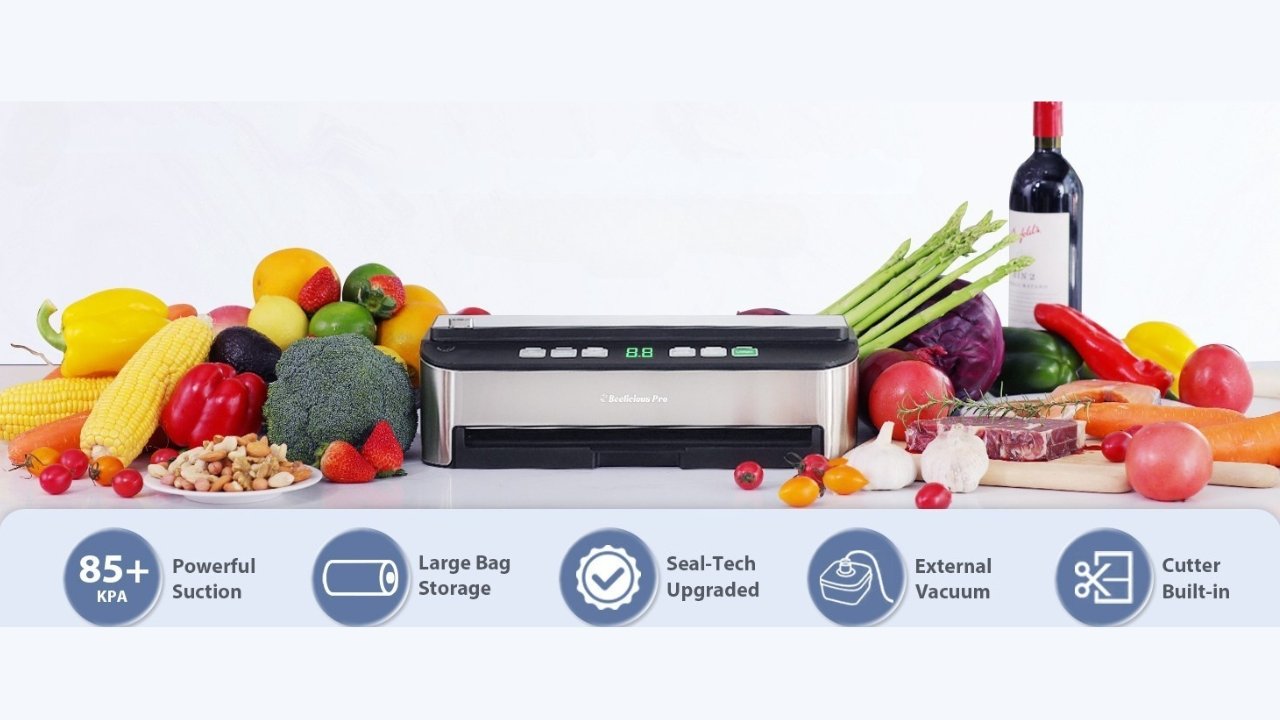
Vacuum sealers are one of the most effective tools for keeping food fresh longer. In today’s busy world—where grocery costs are rising and food waste is a growing concern—preserving food efficiently is more important than ever. In this comprehensive guide, I’ll share how to use a vacuum sealer to extend food freshness, with practical tips, expert insights, and personal experiences to help you make the most of this powerful kitchen tool.
Vacuum sealing is more than just a trendy kitchen gadget; it’s a practical solution that can save you money, reduce waste, and make meal prep a breeze. As someone who has used a vacuum sealer for years, I can attest to its effectiveness in extending the shelf life of various foods. Whether you’re storing leftovers, bulk buying, or preparing meals in advance, understanding how to use a vacuum sealer can transform your food storage practices.
What is a Vacuum Sealer?
A vacuum sealer is a device that removes air from a bag or container before sealing it shut. By eliminating air, the growth of bacteria, mold, and yeast is significantly slowed down, which helps keep food fresh for longer periods. This technology is not only effective for home use but is also widely employed in commercial settings, including restaurants and food packaging industries.
How Does a Vacuum Sealer Work?
Vacuum sealers operate by using a pump to extract air from specially designed bags or containers. Once the air is removed, the machine seals the bag or container tightly, creating an airtight environment. This process significantly reduces the oxidation of food, which is a primary cause of spoilage.
Benefits of Using a Vacuum Sealer
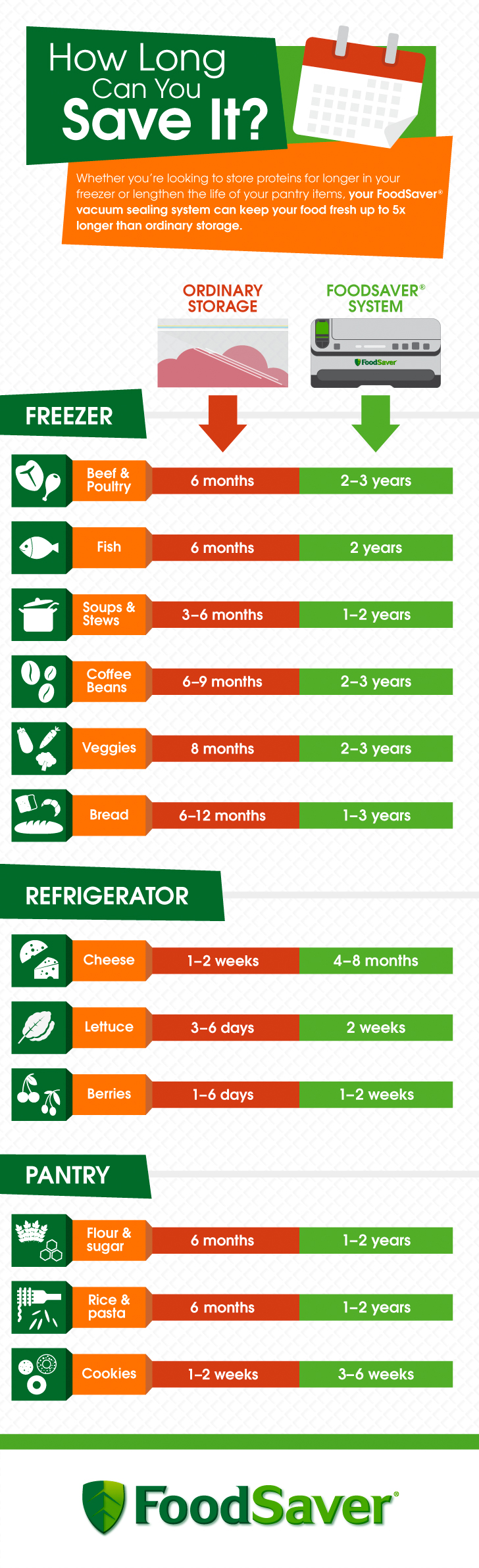
- Extended Shelf Life: Foods stored in vacuum-sealed bags can last 3-5 times longer than those stored in traditional containers.
- Reduced Food Waste: By preserving food longer, you can minimize spoilage and waste, saving both money and resources.
- Flavor Preservation: Vacuum sealing locks in flavors and nutrients, ensuring that your food tastes fresh when you’re ready to eat it.
- Space-Saving: Vacuum-sealed bags take up less space than traditional containers, making it easier to organize your fridge and pantry.
- Meal Prep Made Easy: You can prepare meals in advance, vacuum seal them, and store them for later use.
Choosing the Right Vacuum Sealer
When it comes to selecting a vacuum sealer, there are various options available. Here are some factors to consider:
Types of Vacuum Sealers
- External Vacuum Sealers: These are the most common type and are suitable for home use. They are typically compact and easy to operate.
- Chamber Vacuum Sealers: These are more advanced and suitable for commercial use. They can seal liquids and are generally more expensive.
- Handheld Vacuum Sealers: These are portable and ideal for occasional use. They are great for sealing bags but may not be as effective as external or chamber sealers.
Key Features to Look For
- Seal Quality: Look for a vacuum sealer that offers a strong, reliable seal to prevent air from entering.
- Ease of Use: Choose a model with intuitive controls and straightforward operation.
- Versatility: Some sealers come with additional features, such as the ability to seal jars or marinate food.
- Size and Portability: Consider how much counter space you have and whether you need a portable option.
How to Use a Vacuum Sealer
Using a vacuum sealer is straightforward, but there are certain steps to follow to ensure optimal results.
Step-by-Step Guide
- Prepare Your Food: Clean and cut your food into appropriate portions. Avoid sealing items that are too moist or have excess liquid.
- Select the Right Bag: Use vacuum sealer bags designed for your specific model. They come in various sizes, so choose one that fits your food item.
- Fill the Bag: Place your food inside the bag, leaving enough space at the top for sealing.
- Seal the Bag: Insert the open end of the bag into the vacuum sealer. Close the lid and select the vacuum and seal option. The machine will remove the air and seal the bag.
- Store Properly: Once sealed, store your food in the refrigerator, freezer, or pantry, depending on the item.
Tips for Vacuum Sealing Success
- Avoid Overfilling: Leave enough space at the top of the bag for the seal. Overfilling can lead to a poor seal.
- Use a Moisture Barrier: For moist foods, consider placing a paper towel at the top of the bag to absorb excess moisture.
- Label and Date: Always label your sealed bags with the contents and date to keep track of freshness.
Common Misconceptions About Vacuum Sealers
Misconception 1: Vacuum Sealing is Only for Meat
While vacuum sealing is excellent for preserving meat, it can also be used for fruits, vegetables, grains, and even liquids. This versatility makes it a valuable tool for any kitchen.
Misconception 2: Vacuum Sealed Food Doesn’t Spoil
While vacuum sealing significantly extends shelf life, it doesn’t make food immortal. Always check for signs of spoilage before consuming vacuum-sealed items.
Misconception 3: All Vacuum Sealers are the Same
Not all vacuum sealers are created equal. As mentioned earlier, there are different types and features that cater to various needs. Investing in a quality model can make a significant difference in performance.
Frequently Asked Questions About Vacuum Sealers
What types of food can I vacuum seal?
You can vacuum seal a wide variety of foods, including meats, cheeses, fruits, vegetables, dry goods, and even liquids. However, be cautious with liquids, as they can interfere with the sealing process. It’s best to freeze liquids before vacuum sealing them.
How long does vacuum-sealed food last?
Vacuum-sealed food can last significantly longer than non-sealed food. For example, vacuum-sealed meats can last 1-3 years in the freezer, while vegetables can last 2-3 years. In the refrigerator, vacuum-sealed items can last 1-2 weeks longer than their non-sealed counterparts.
Can I vacuum seal liquids?
Yes, but it requires some extra steps. To vacuum seal liquids, freeze them first until solid, then vacuum seal them in bags. Alternatively, use a chamber vacuum sealer designed for liquids.
Is vacuum sealing safe?
Yes, vacuum sealing is a safe method of food preservation. However, ensure that you follow proper food safety guidelines, such as using clean bags and sealing fresh food.
How do I clean my vacuum sealer?
Regularly clean your vacuum sealer by wiping down the exterior and cleaning the sealing area with a damp cloth. Follow the manufacturer’s instructions for any additional maintenance tips.
Conclusion
Mastering how to keep food fresh longer using a vacuum sealer can revolutionize your food storage practices. By investing in a quality vacuum sealer and following the tips and techniques outlined in this guide, you can significantly extend the shelf life of your food, reduce waste, and enjoy fresh meals whenever you desire.
I encourage you to explore the many benefits of vacuum sealing and consider incorporating it into your kitchen routine. Whether you’re meal prepping, storing leftovers, or preserving seasonal produce, a vacuum sealer can become an invaluable tool in your culinary arsenal.
For more tips, recipes, and insights into food preservation, feel free to explore additional resources or leave a comment below!