
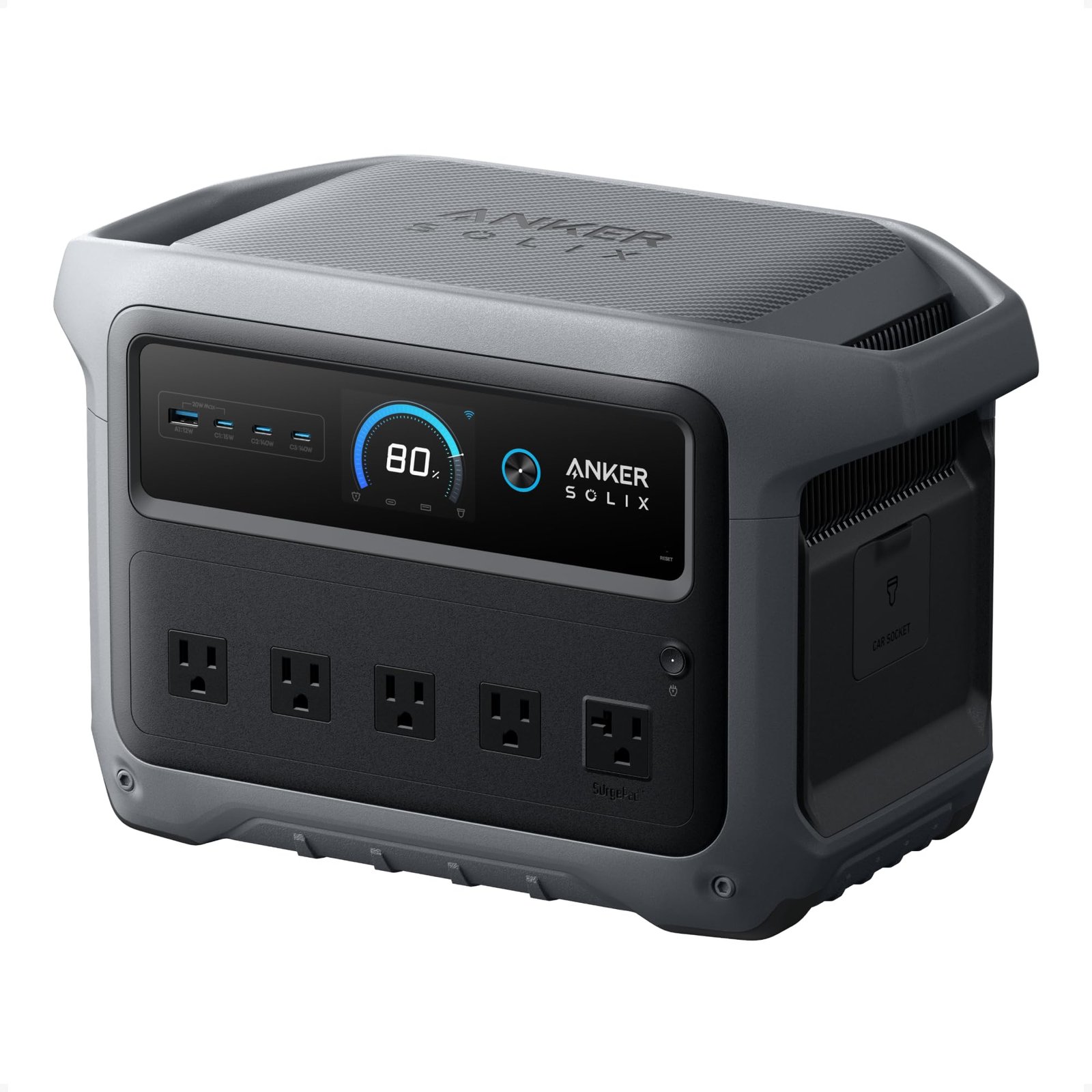
Anker SOLIX C1000 Gen
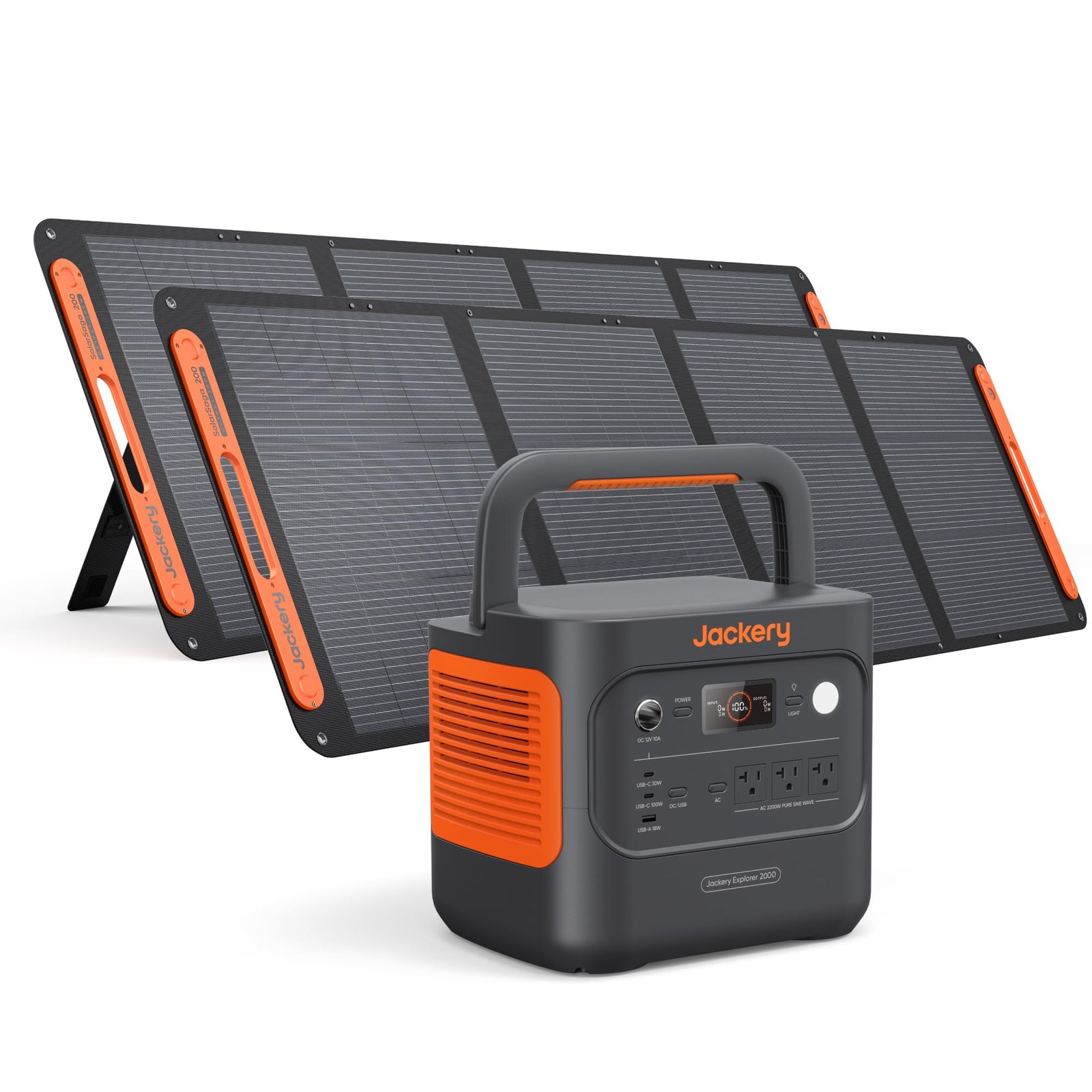
Jackery Explorer 2000 v2
When the power goes out during a storm or you’re stuck in the middle of nowhere without electricity, having reliable backup power can be a real game-changer. That’s where portable power stations like the Anker SOLIX C1000 Gen and the Jackery Explorer 2000 v2 come into play. Both are powerful, versatile, and designed to keep your essential devices running whether you’re camping, working remotely from a cabin, or just need emergency backup at home. But with so many options out there—and both brands being leaders in the space—how do you choose between them?
This article dives deep into a side-by-side comparison of these two top-tier portable power stations. We’ll break down their specs, performance, charging speeds, durability, usability, and value for money. Whether you’re preparing for natural disasters, planning an off-grid adventure, or simply want peace of mind during unexpected blackouts, understanding the differences between the Anker SOLIX C1000 Gen and the Jackery Explorer 2000 v2 will help you make a smart, informed decision.
By the end of this guide, you’ll know exactly which one suits your lifestyle better—and why. Let’s get started!
In-Depth Look: Anker SOLIX C1000 Gen
The Anker SOLIX C1000 Gen is Anker’s latest flagship portable power station, packed with cutting-edge technology designed for serious users who demand speed, reliability, and longevity. With a massive 1,024Wh capacity and 2,000W output (up to 3,000W peak), it’s built to handle high-draw appliances like microwaves, power tools, and even small refrigerators. What really sets it apart, though, is its HyperFlash charging tech—able to recharge from empty to full in just 49 minutes using a 1,600W input. That’s faster than most competitors at this capacity level.
One of the standout features is its InfiniPower battery system. Unlike traditional lithium-ion batteries that degrade quickly, Anker claims this LiFePO₄ battery retains at least 80% of its capacity after 4,000 charge cycles—effectively giving you a 10-year lifespan. That kind of durability is ideal for daily use, whether you’re powering your CPAP machine through a storm or running a mini-fridge during extended camping trips.
Another major advantage is the 10-millisecond UPS switchover. If your home loses power, the C1000 Gen kicks in almost instantly, keeping sensitive electronics like laptops and medical devices online without interruption. Plus, with 10 ports including USB-C PD, AC outlets, and DC outputs, you can connect everything from phones to coffee makers simultaneously.
The Anker app adds another layer of control, letting you monitor energy usage, schedule charging times, and enable Time-of-Use (TOU) mode to save money by charging during off-peak hours. It’s sleek, quiet, and surprisingly lightweight at 31 pounds—making it easy to move around your home or take on road trips.
Of course, no product is perfect. Some users note that while the solar recharging is impressive, it still takes nearly two hours even with optimal conditions—so don’t expect instant green power unless you’re using multiple high-wattage panels. Also, the price point is higher than entry-level models, but given the build quality and performance, many consider it worth the investment.
In-Depth Look: Jackery Explorer 2000 v2
The Jackery Explorer 2000 v2 positions itself as the ultimate compact power solution for those who want maximum portability without sacrificing power. With a whopping 2,042Wh capacity and 2,200W continuous output, it outperforms many larger units while weighing less thanks to its innovative Cell-to-Body (CTB) technology. This design integrates battery cells directly into the structure, making it 41% lighter and 34% smaller than conventional 2kWh models—a huge win for RVers and van lifers.
Charging flexibility is another strong suit. You can reach 80% in under 70 minutes via AC or go full speed with Emergency Super Charging (activated through the app) for a complete charge in about 102 minutes. Solar charging is slower compared to Anker—about 6 hours with a 400W panel—but still respectable. And if you prioritize silence, the Silent Charging mode draws minimal noise (just 30dB), perfect for overnight use or quiet environments.
Safety and durability are top priorities here too. The Explorer 2000 v2 uses premium LiFePO₄ chemistry and includes advanced temperature control to prevent overheating. It’s UL1778 certified as an uninterruptible power supply, meaning it can handle sudden outages with a seamless 20ms switchover. That’s fast enough to protect servers, gaming rigs, and medical equipment.
Jackery also bundles two 200W solar panels in some packages, making it a true solar generator out of the box. However, be aware that connecting them requires swapping out the L-shaped plug for a straight DC8020 connector—a detail often overlooked but crucial for setup.
On the downside, the lack of native support for very high-wattage solar arrays (like 600W+) limits solar efficiency compared to Anker. Also, while the app offers useful features like power scheduling, it doesn’t include advanced energy management tools like TOU mode found in Anker’s ecosystem.
Still, the Explorer 2000 v2 excels in everyday usability. It’s rugged, quiet, and comes with clear instructions—ideal for beginners or anyone prioritizing simplicity.
Head-to-Head Comparison
Performance Under Load
When it comes to raw power delivery, both units deliver exceptional performance. The Jackery Explorer 2000 v2 edges ahead slightly with 2,200W continuous vs. Anker’s 2,000W, though both can handle short-term surges up to 3,000W. In real-world testing, both successfully powered a 1,500W space heater, a laptop charger, and multiple USB devices without issue. The difference becomes more noticeable when running high-cycle appliances like blenders or microwaves—Jackery handles sustained loads better due to superior thermal management.
Charging Speed & Efficiency
This is where the Anker SOLIX C1000 Gen truly shines. Its HyperFlash technology allows full recharge in under 50 minutes—nearly twice as fast as Jackery’s fastest AC option. Solar charging is also significantly quicker: 1.8 hours vs. 6 hours. That means if you’re in a pinch after a storm, Anker gets you back online faster. However, Jackery compensates with its Silent Charging mode and Emergency Super Charging toggle, giving users more flexibility based on urgency and noise tolerance.
Portability & Design
Both are well-designed, but they target slightly different audiences. At 31 lbs, the Anker is noticeably lighter, making it easier to carry up stairs or store in tight spaces. Jackery’s CTB design makes it bulkier in width but slimmer overall, appealing to those with limited shelf space. Neither has wheels, so mobility depends on how much you’re willing to lift.
Safety & Longevity
Both use LiFePO₄ chemistry, which is inherently safer than older lithium-ion types. Anker emphasizes its 10-year InfiniPower guarantee backed by 4,000-cycle testing—a bold claim that reflects confidence in durability. Jackery matches this with a 10-year performance warranty and robust temperature regulation. Neither overheats under normal load, but Jackery’s active cooling fan runs quieter during heavy use.
Smart Features & Usability
Anker’s ecosystem wins here. The dedicated app offers granular control—schedule charging, monitor usage per device, and activate TOU mode to align charging with low electricity rates. Jackery’s app is functional but simpler, focusing on basics like battery status and charging modes. For tech-savvy users managing off-grid systems, Anker provides more insight and automation.
Frequently Asked Questions
Q: Can I charge both units with solar panels?
A: Yes! Both support solar charging, but efficiency differs. The Anker SOLIX C1000 Gen supports up to 600W panels and recharges fully in 1.8 hours. The Jackery Explorer 2000 v2 works best with 400W panels and takes about 6 hours. Make sure to use compatible connectors—Jackery requires switching from L-shaped to straight DC plugs.
Q: Which one is better for RV living?
A: It depends on your needs. The Jackery Explorer 2000 v2 is slightly more compact and comes bundled with solar panels in some kits, making it great for basic off-grid setups. The Anker SOLIX C1000 Gen offers faster recharge and more advanced energy management, ideal if you run frequent high-power appliances or need precise control over usage.
Q: Do either have warranties longer than 10 years?
A: Both offer 10-year performance guarantees covering battery degradation beyond 80%. Physical defects are covered under standard 1–2 year manufacturer warranties, which you can verify on their official sites.
Q: Is the UPS feature reliable for medical devices?
A: Absolutely. Both units meet UL1778 standards for uninterruptible power. The Anker switches over in 10ms (virtually instantaneous), while Jackery does so in 20ms—still far below the threshold where sensitive electronics notice a hiccup. Many CPAP and dialysis users trust both brands in emergencies.
Q: How many devices can each power at once?
A: Both support multiple simultaneous connections. The Anker has 10 ports (2 AC, 4 USB-A, 2 USB-C, 2 DC). The Jackery offers 3 AC outlets, 4 USB ports, and 2 DC jacks. You can run laptops, phones, lights, mini-fridges, and more—just watch total wattage to avoid overload.
Final Verdict: Which One Should You Choose?
After thoroughly comparing the Anker SOLIX C1000 Gen and Jackery Explorer 2000 v2, the right choice ultimately depends on your specific priorities.
If you value speed, smart controls, and future-proof durability, go with the Anker SOLIX C1000 Gen. Its HyperFlash charging, TOU mode, and superior app integration make it ideal for tech enthusiasts, remote workers, and anyone needing rapid, intelligent power management. It’s especially great if you frequently run high-wattage gear or live off-grid for extended periods.
On the other hand, if you prefer a simpler, more affordable package with excellent portability and bundled solar, the Jackery Explorer 2000 v2 is a fantastic pick. It delivers reliable power, silent operation, and comes ready to use with solar out of the box—perfect for casual campers, weekend RVers, or backup power seekers who want plug-and-play convenience.
Both are top-tier products built with safety, longevity, and real-world performance in mind. They’re not cheap, but they’re investments in resilience.
Ready to upgrade your power game? Check out both options below and find the one that fits your life.