
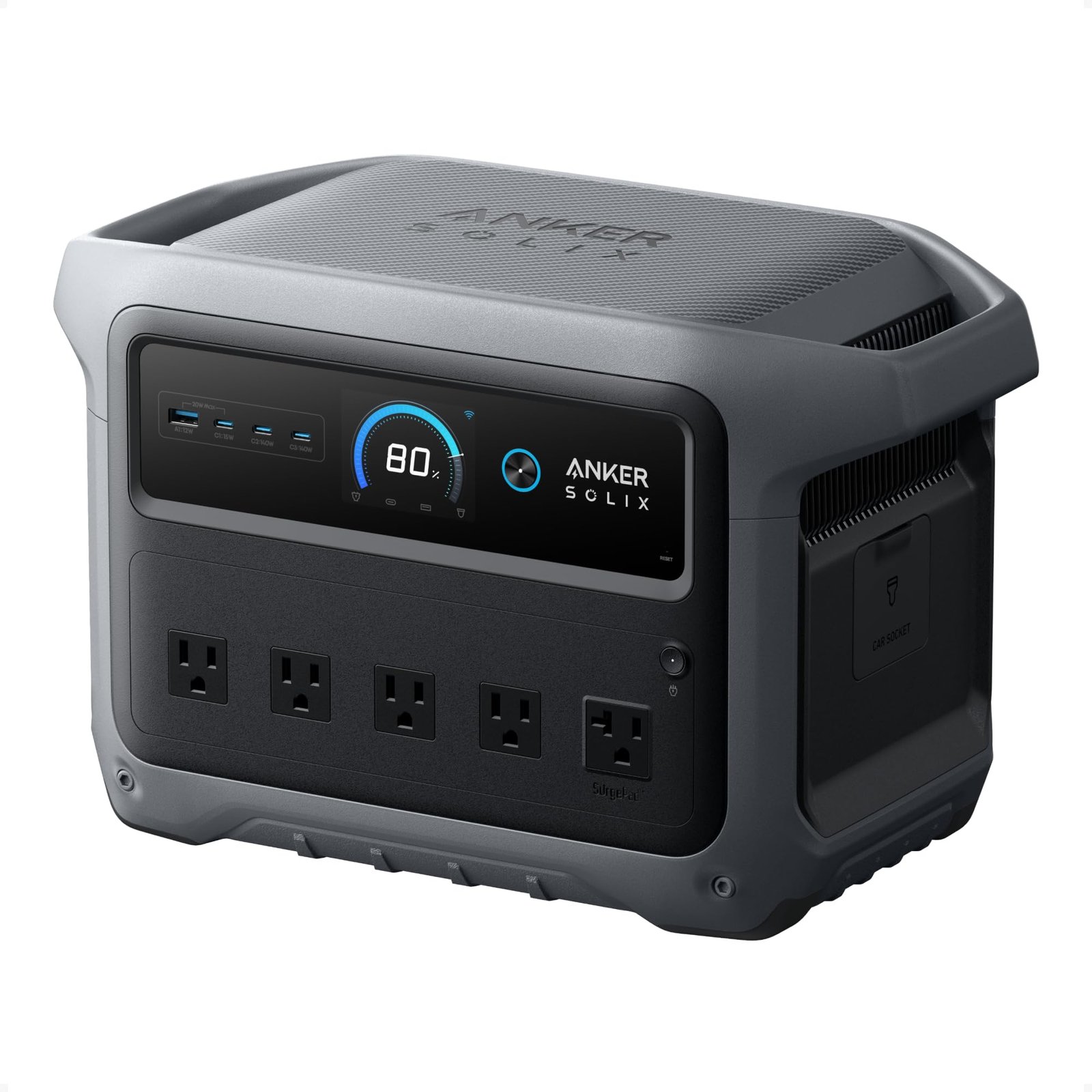
Anker SOLIX C1000 Gen
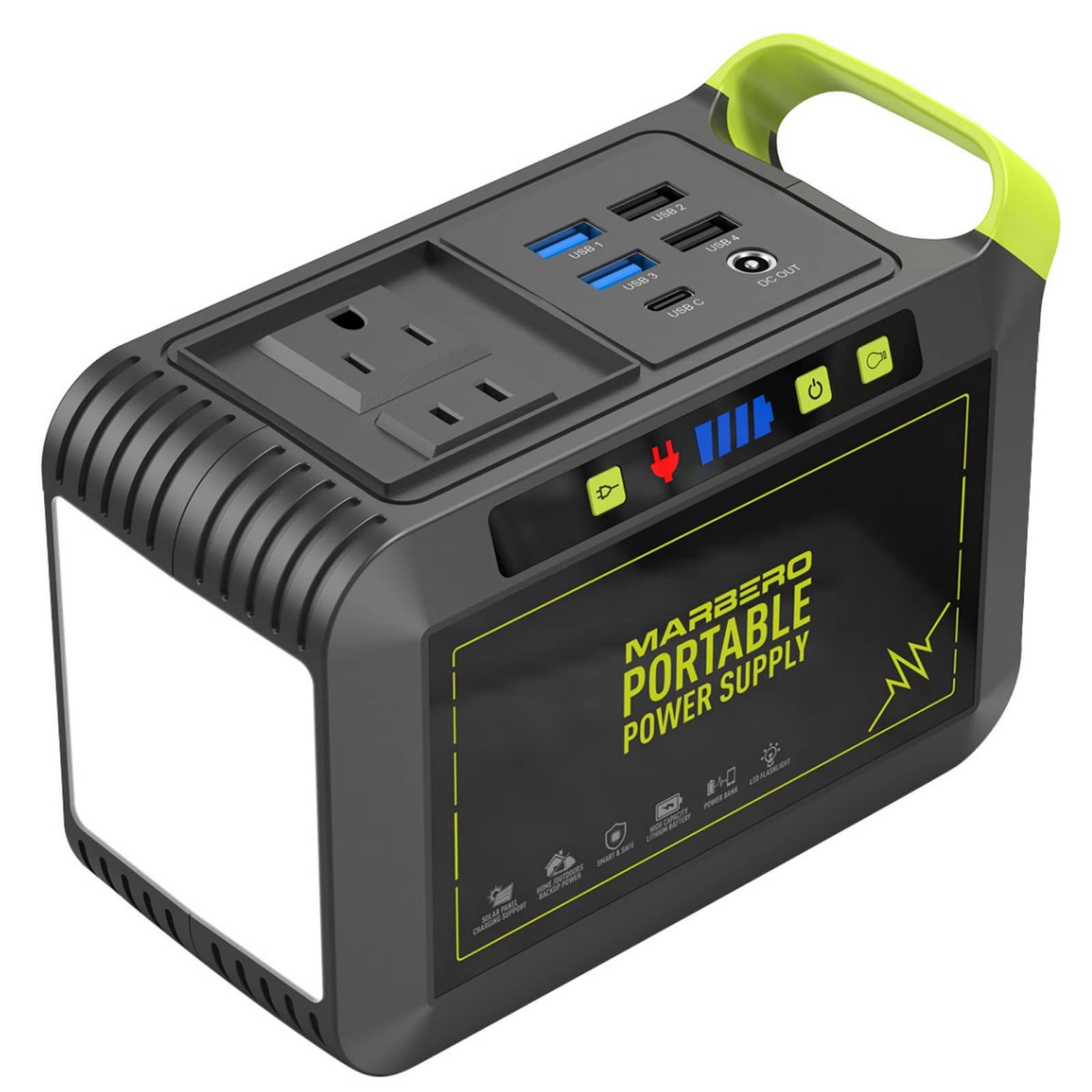
MARBERO Portable Power Station
Anker SOLIX C1000 vs MARBERO Power Station: Best Travel Power
When the lights go out or your campsite has no electricity, having reliable power can make all the difference. Whether you’re preparing for a power outage, heading off-grid for a weekend camping trip, or just need backup for your essential devices, portable power stations have become must-have gadgets. But with so many options on the market, how do you choose the right one?
In this comprehensive comparison, we’re diving deep into two popular portable power stations that promise to keep your devices charged wherever life takes you: the Anker SOLIX C1000 Gen and the MARBERO Portable Power Station. These aren’t just any battery packs—they’re full-featured power solutions designed for different needs and lifestyles.
By the end of this article, you’ll understand exactly what each power station offers, how they compare in real-world use cases, and which one might be the perfect fit for your adventures. We’ll look at everything from capacity and charging speed to portability and smart features, so you can make an informed decision without feeling overwhelmed by technical jargon.
In-Depth Look: Anker SOLIX C1000 Gen
[ANker SOLIX C1000 Gen INFO CARD]
The Anker SOLIX C1000 Gen isn’t just another portable power station—it’s a powerhouse built for serious energy needs. With a massive 1,024Wh capacity and up to 2,000W output (with 3,000W surge), this device is designed for scenarios where reliability and performance matter most.
One of its standout features is the HyperFlash charging technology, which can recharge the entire unit in just 49 minutes when plugged into a compatible 1,600W charger. That’s incredibly fast compared to traditional power stations that take hours or even overnight to replenish. For anyone living off-grid, running a tiny home, or preparing for emergencies, this level of efficiency is game-changing.
What really sets the C1000 Gen apart is its versatility. It powers everything from laptops and CPAP machines to small refrigerators and power tools. The inclusion of 10 total output ports—including dual USB-C with 100W Power Delivery—means you can charge multiple high-demand devices simultaneously without breaking a sweat. Plus, the 10-millisecond UPS switchover ensures critical devices like medical equipment stay online during brief outages.
Durability is another strong point. Built with Anker’s InfiniPower technology, the battery retains over 80% capacity after 4,000 charge cycles—roughly 10 years of daily use. That kind of longevity makes it a worthwhile investment rather than a disposable gadget.
While the C1000 Gen weighs in at 24.3 pounds (making it less ideal for frequent backpacking trips), its compact design relative to similar models means it still feels manageable for RVs, van life, or home emergency kits. And with TOU (Time-of-Use) mode control via the Anker app, you can schedule charging during off-peak hours to save on electricity costs.
Pros:
– Exceptional charging speed
– Massive capacity and high wattage output
– Premium build quality and long-term durability
– Smart app controls and UPS functionality
Cons:
– Heavy for true portability
– Higher price point
– Requires compatible chargers for fastest recharge
Customer Reviews:
“I bought this after a week-long blackout during a storm. It powered my fridge, router, and laptop for days. The HyperFlash charging blew me away—got it back to full in under an hour!” – Alex R., verified buyer
“Perfect for our van conversion. Powers our induction cooktop, mini-fridge, and all electronics. The app integration is seamless, and it’s held up perfectly through two winters.” – Jamie T., off-grid enthusiast
This model shines brightest when you need serious backup power for extended periods or high-wattage appliances. If you’re running a tiny home, working remotely from remote cabins, or want peace of mind during hurricanes and wildfires, the Anker SOLIX C1000 Gen delivers unmatched capability.
In-Depth Look: MARBERO Portable Power Station
[MARBERO Portable Power Station INFO CARD]
If you’re looking for a lightweight, budget-friendly power solution that won’t weigh down your adventure gear, the MARBERO Portable Power Station is a compelling choice. At just 3.2 pounds and measuring about the size of a large book, this compact power bank is engineered for simplicity and practicality.
Despite its small footprint, the MARBERO packs a surprising amount of utility. With 88Wh of capacity, it won’t run a refrigerator for hours—but it’s perfect for charging phones, tablets, cameras, laptops, and even powering small LED lights or car accessories. The built-in BMS (Battery Management System) ensures safe operation, preventing overcharge, short circuits, and overheating.
What makes this device especially user-friendly is its intuitive design. The ergonomic handle makes it easy to carry, while the slim profile fits neatly in backpacks, glove compartments, or emergency kits. Whether you’re going on a weekend hike, prepping for a power outage, or needing juice for roadside emergencies, it’s always within reach.
Charging speed is respectable for its class. Using the included 30W adapter, the unit reaches 80% capacity in just 2 hours—and you can continue using it to charge other devices during the process. While not as fast as Anker’s HyperFlash tech, it’s efficient enough for most travelers and casual users.
The MARBERO also doubles as a bright LED flashlight with three brightness levels and an SOS strobe mode—ideal for camping, car breakdowns, or nighttime navigation. The included cigarette lighter adapter adds extra flexibility for automotive use.
However, there are trade-offs. At 88Wh, it lacks the ability to run larger appliances like microwaves, space heaters, or even most CPAP machines for extended periods. Its maximum continuous output is capped at 1,000W, so high-draw devices may trigger protection modes. And while solar-compatible, it requires separate panels (sold separately) for off-grid recharging.
Pros:
– Extremely lightweight and portable
– Affordable price point
– Useful LED flashlight with SOS mode
– Multiple output ports for versatile use
Cons:
– Limited capacity for high-energy tasks
– Slower charging without additional accessories
– No UPS or advanced smart features
– Lower overall wattage output
Customer Reviews:
“Lightweight, reliable, and perfect for camping. I used it to charge my phone, camera, and mini projector—all worked flawlessly. Great value for money!” – Sarah K., outdoor adventurer
“Bought this for road trips. It’s saved me twice when my car battery died—powered my headlights and phone until I got help. The flashlight feature is a lifesaver at night.” – Mark D., frequent traveler
The MARBERO Portable Power Station is ideal for casual campers, day-trippers, urban commuters, and anyone who needs reliable backup power for everyday devices—not full-scale appliance support. It’s especially great for those who prioritize portability and affordability over raw power.
Head-to-Head Comparison
Performance & Capacity
The Anker SOLIX C1000 Gen dominates here with 1,024Wh of usable energy—more than ten times the capacity of the MARBERO. This means the Anker can easily run a laptop for 10+ hours, a mini-fridge for a full day, or even a CPAP machine overnight. In contrast, the MARBERO’s 88Wh is best suited for topping off phones, tablets, and small gadgets. If you need sustained power for anything beyond personal electronics, the Anker is the clear winner.
Charging Speed
Speed matters when you’re relying on your power source. The Anker’s HyperFlash tech recharges fully in under 50 minutes with the right charger—a huge advantage for time-sensitive situations. The MARBERO takes about 2 hours to hit 80% using its included adapter. While still decent, it’s noticeably slower and doesn’t support simultaneous charging and usage unless you add external panels.
Portability & Design
Here, the scales tip dramatically toward the MARBERO. At just 3.2 pounds, it’s easy to toss into a backpack or glovebox. The Anker weighs nearly eight times more (24.3 lbs), making it cumbersome for hiking or frequent relocation. However, the Anker compensates with better mobility features like reinforced handles and a more stable base for stationary use.
Smart Features & Safety
The Anker shines with intelligent controls: the Anker app lets you monitor usage, set TOU schedules, and enable UPS mode for sensitive devices. It also includes robust safety protocols like temperature regulation and overload protection. The MARBERO has basic BMS protection but lacks connectivity or scheduling options. If you want automation and remote monitoring, the Anker is far superior.
Versatility & Use Cases
Both units offer multiple ports, but the Anker supports a wider range of devices due to higher wattage and advanced connectors (including 100W USB-C PD). The MARBERO works well for smartphones, tablets, drones, and small lighting setups. But if you plan to run microwaves, blenders, or medical equipment, only the Anker can handle it reliably.
Value for Money
The MARBERO costs roughly $150–$200, offering excellent bang-for-buck for light-duty users. The Anker retails between $1,300–$1,600—a significant investment justified only if you need industrial-grade backup power. For occasional travelers or backup needs, the MARBERO delivers better value. For serious off-grid living or disaster prep, the Anker pays for itself through performance.
Frequently Asked Questions
Q: Can I use these power stations while charging?
A: Yes, both models allow simultaneous charging and discharging. The Anker SOLIX C1000 Gen supports this natively, while the MARBERO Portable Power Station does so using its included adapter—though efficiency drops slightly compared to dedicated solar panels.
Q: Will either of these power my refrigerator?
A: Only the Anker SOLIX C1000 Gen can reliably run most household refrigerators. A standard mini-fridge draws around 60–100W, which both can handle briefly, but sustained operation requires the Anker’s higher capacity and stable output. The MARBERO would drain too quickly and likely shut down under load.
Q: Do I need special solar panels for off-grid charging?
A: Both are solar-compatible, but you’ll need to purchase panels separately. The Anker SOLIX C1000 Gen accepts up to 600W input, enabling full recharge in ~1.8 hours with optimal panels. The MARBERO Portable Power Station works with 30W or 60W panels but takes much longer to replenish.
Q: Is the Anker SOLIX C1000 Gen worth the higher price?
A: Absolutely—if you need serious backup power for emergencies, tiny homes, or off-grid living. Its durability, speed, and multi-device support justify the cost. For casual users, the MARBERO Portable Power Station offers better value.
Q: Which one is better for RV or van life?
A: The Anker SOLIX C1000 Gen is ideal for full-time RVers or van lifers who need to power appliances, HVAC systems, and workstations. The MARBERO is better for weekend trips or supplemental charging—but not as a primary power source.
Q: Can I use either as a UPS for my computer?
A: The Anker SOLIX C1000 Gen has a dedicated 10ms UPS mode that seamlessly switches power during outages—perfect for laptops and servers. The MARBERO lacks this feature, so sudden shutdowns may occur if power cuts mid-use.
Final Verdict: Which One Should You Choose?
After thoroughly examining both the Anker SOLIX C1000 Gen and the MARBERO Portable Power Station, it’s clear they serve very different audiences. If you need heavy-duty, long-lasting backup power for emergencies, remote work, or off-grid living—and don’t mind spending more—the Anker is unmatched in performance, speed, and durability.
On the other hand, if you’re a casual camper, commuter, or someone who just wants reliable juice for phones, tablets, and small gadgets without breaking the bank, the MARBERO delivers exceptional value in a pocket-sized package.
There’s no “better” choice universally—only the right one for your lifestyle. Need to run a CPAP machine through the night? Go with the Anker. Heading to a national park for a weekend and want something light and affordable? The MARBERO fits the bill perfectly.
Ultimately, your decision should hinge on your power needs, budget, and how often you’ll rely on the device. Both are solid choices in their respective niches, but they couldn’t be more different in scope and capability.
Ready to upgrade your portable power game? Check out both options below—your next adventure (or emergency preparedness plan) will thank you.