
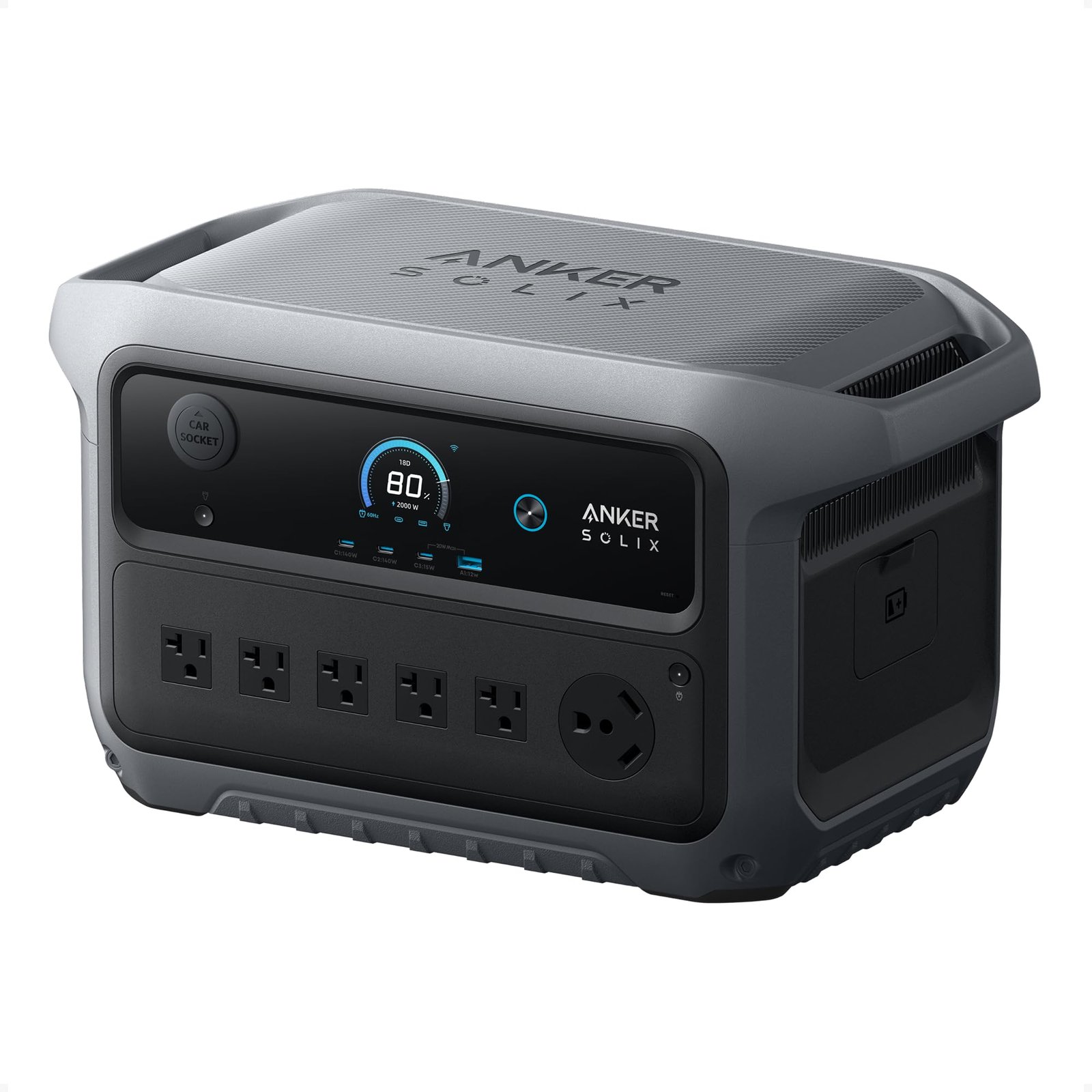
Anker SOLIX C2000 Gen
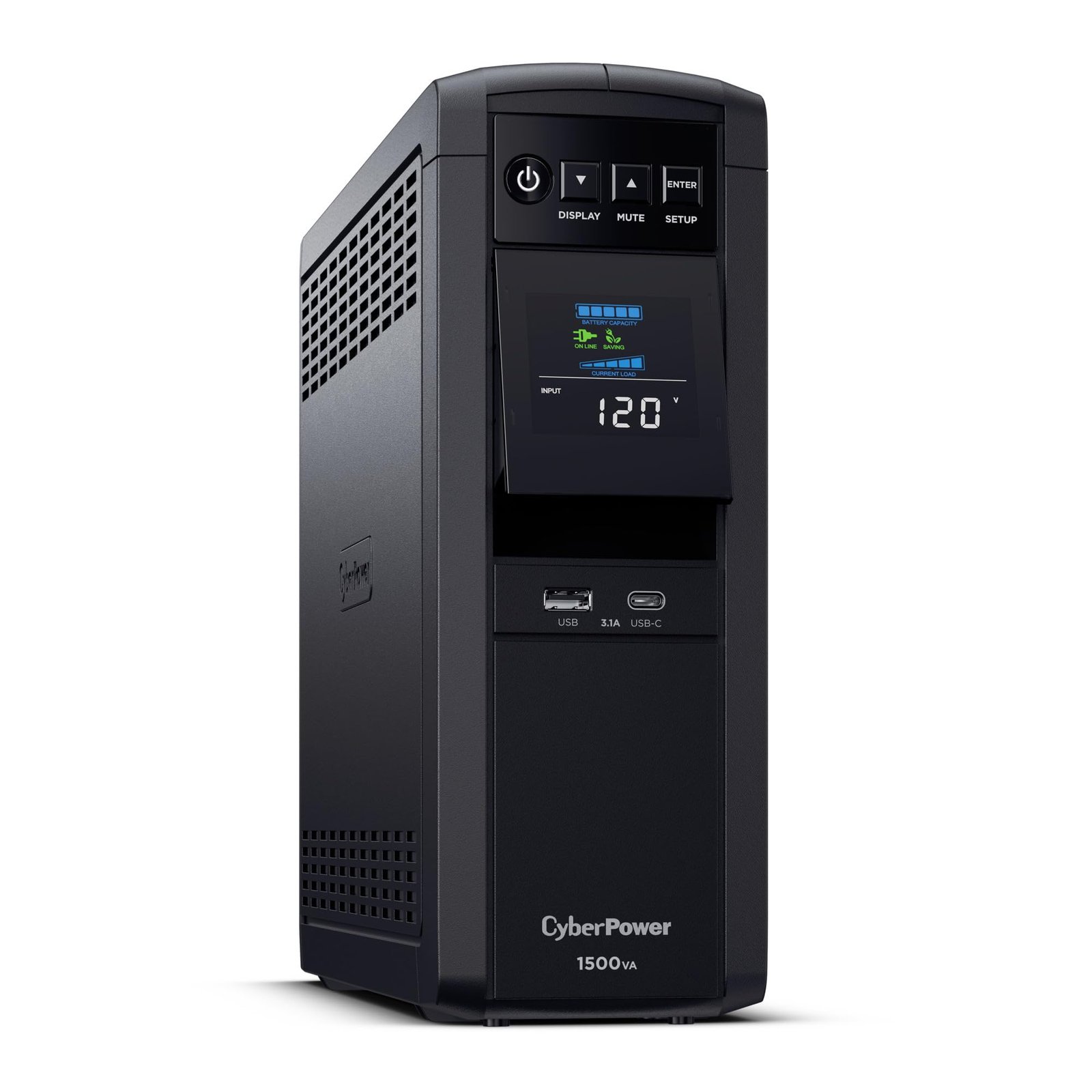
CyberPower CP1500PFCLCD PFC Sinewave
Introduction: Navigating the Power Station Universe
Imagine this: you’re in the middle of a power outage, your refrigerator is about to give up, and the kids are starting to get restless. You need power—real power—and fast. Whether you’re preparing for emergencies, camping off-grid, or just want reliable backup power for your home office, choosing the right portable power solution matters. That’s where two very different but highly capable devices come into play: the Anker SOLIX C2000 Gen and the CyberPower CP1500PFCLCD PFC Sinewave.
The Anker SOLIX C2000 Gen is essentially a high-capacity solar generator that can run almost anything—from refrigerators to air conditioners—for hours or even days. It’s built like a tank, packs serious wattage, and recharges lightning fast. On the other hand, the CyberPower CP1500PFCLCD is a compact uninterruptible power supply (UPS) designed specifically to protect sensitive electronics during short outages. It’s not meant to power large appliances but keeps your router, computer, and network gear alive long enough to save work and shut down safely.
This comparison isn’t about which one is “better”—it’s about understanding their roles. If you need massive runtime and versatility, the Anker SOLIX C2000 Gen might be your answer. But if you’re focused on protecting critical systems during brief blackouts, the CyberPower model delivers precision protection with intelligent monitoring. By the end of this article, you’ll know exactly which device fits your needs—and why.
In-Depth Look: Anker SOLIX C2000 Gen
The Anker SOLIX C2000 Gen isn’t just another portable battery pack—it’s a mini-grid on wheels. Launched as a next-gen upgrade to the popular C1000 series, this device brings industrial-grade performance into the portable category. With a rated output of 2,400W and a jaw-dropping 4,000W peak power, it’s engineered to handle everything from high-end power tools to dual-door refrigerators and even most RV air conditioners. That kind of capability makes it ideal for emergency preparedness, off-grid adventures, or running workshops without access to mains electricity.
One of its standout features is expandability. The base unit holds 2,048Wh, but you can stack expansion batteries to reach up to 4kWh—enough to keep a full-sized fridge running for over two days. And when it comes to recharging, Anker doesn’t mess around. Using an AC wall outlet, you can hit 100% in under an hour thanks to its 1,400W input capability. Even faster? Plug it into a compatible vehicle using the included 800W alternator cable—fully charged in just three hours, eight times quicker than standard car charging.
Solar compatibility is another major win. While solar panels aren’t included, the C2000 Gen supports multiple panel configurations via its MPPT charge controller, letting you build a renewable energy system tailored to your environment. Plus, at 41.7 pounds, it’s surprisingly portable for what it does. The rugged design feels built to last, with reinforced handles and military-grade casing that survives drops, spills, and rough handling.
Pros:
- Massive 2,400W continuous power with 4,000W surge—can run heavy-duty appliances
- Ultra-fast charging via AC or car (up to 800W)
- Expandable storage up to 4kWh
- Supports solar and multiple recharging methods
- Rugged, lightweight, and travel-friendly design
Cons:
- Higher price point due to advanced specs
- Requires separate solar panels for full off-grid use
- Bulkier than traditional UPS systems
Real-world users rave about its reliability. One customer who bought three C2000 Gen units says, “I secured the Ultimate Home Backup System—comprising two C1000 Gen2 and three C2000 Gen2 units… Here it is 4 months later and all are at 100% charged—at a phenomenal deal, nearly 56% OFF the retail price on Amazon. This purchase perfectly prepares me for rolling blackouts.” Another adds, “It charges crazy fast and runs just about anything I’ve tried, from the fridge during a quick power outage to my tools in the shed.”
The Anker SOLIX C2000 Gen is best for anyone needing sustained, high-power backup—whether for home emergencies, construction sites, RVs, or extended camping trips. If you want peace of mind that your essentials stay powered through prolonged outages, this is one of the best portable solutions available today.
In-Depth Look: CyberPower CP1500PFCLCD PFC Sinewave
If the Anker SOLIX C2000 Gen is a powerhouse, the CyberPower CP1500PFCLCD PFC Sinewave is a precision instrument. This uninterruptible power supply (UPS) is designed not to run appliances, but to protect and sustain critical electronics during brief power interruptions. Think of it as a guardian angel for your computer, router, NAS, and home theater setup—keeping them alive just long enough to save documents, gracefully shut down software, or maintain internet connectivity.
What sets this model apart is its pure sine wave output, which mimics utility-grade electricity far more closely than modified sine waves used by cheaper models. This is especially important for modern computers with active PFC (Power Factor Correction) power supplies—they require clean, stable power to operate efficiently and avoid damage. The CP1500PFCLCD delivers exactly that, making it fully compatible with high-end PCs, gaming rigs, and sensitive networking equipment.
With a capacity of 1500VA/1000W, it can easily support a complete workstation including a desktop PC, monitor, printer, and external drives. The unit includes 12 NEMA 5-15R outlets: six provide battery-backed protection during outages, while six offer surge-only defense for non-critical devices. Two USB ports (one Type-A, one Type-C) let you charge phones or tablets even when the main circuit is down. The front panel features a tilting color LCD that displays real-time data—battery level, load percentage, estimated runtime, voltage, and more. You’ll get instant alerts if something goes wrong, preventing surprises during outages.
Another smart feature is Automatic Voltage Regulation (AVR), which corrects brownouts and surges without draining the battery. This extends battery life and ensures consistent performance. CyberPower backs its reliability with a generous 3-year warranty that includes the internal battery—rare among competitors—plus a $500,000 connected equipment guarantee and free PowerPanel management software for monitoring and scheduling shutdowns remotely.
Pros:
- Pure sine wave output protects sensitive electronics
- Intuitive color LCD with tilt display for easy monitoring
- AVR technology reduces unnecessary battery drain
- Includes battery warranty and strong equipment protection guarantee
- Compact footprint fits neatly under desks or shelves
Cons:
- Limited to 1,000W—won’t power large appliances like fridges
- No solar or alternative charging options
- Battery degrades over time; lifespan depends on usage patterns
- Best suited for short-term outages only
Customers consistently praise its dependability. One user explains, “I have 2008 MacPro 8 core 3. GHZ fully loaded internally that was running for last couple years along with assorted Monitors-(2), printer etc… For the last 3 yrs have been enduring endless stupidity with these APC power supplies… CyberPower has been flawless.” Another notes, “So good, I bought 2! UPS systems in this class can easily cost more… I get 1 hour or more of uptime!”
The CyberPower CP1500PFCLCD PFC Sinewave shines for office workers, remote professionals, gamers, and anyone relying on uninterrupted operation of computers, servers, or network infrastructure. It’s perfect for homes and small businesses where protecting data integrity and hardware longevity trumps raw power delivery.
Head-to-Head Comparison
Performance & Capability
The Anker SOLIX C2000 Gen absolutely dominates in raw performance. Its 2,400W continuous power and 4,000W peak rating mean it can simultaneously run multiple high-draw devices—like a coffee maker, laptop, space heater, and LED lights—without breaking a sweat. In contrast, the CyberPower CP1500PFCLCD caps out at 1,000W, suitable only for moderate loads such as a desktop PC, monitor, and router. If you’re trying to power a microwave or sump pump, the CyberPower will struggle or fail entirely.
However, performance isn’t just about watts. The CyberPower excels in precision. Its pure sine wave output and automatic voltage regulation make it ideal for electronics that demand stable, clean power. The Anker uses modified sine wave initially but switches to pure sine for sensitive devices—still effective, but not quite as refined as dedicated UPS systems.
Runtime & Recharge Options
When it comes to runtime, the Anker SOLIX C2000 Gen offers vastly superior endurance. At full capacity (2,048Wh), it can keep a 100-watt laptop running for over 20 hours or a 150-watt fridge for nearly 14 hours. With expansion packs, runtime doubles. The CyberPower CP1500PFCLCD, meanwhile, provides roughly 30–45 minutes of runtime at half load (500W), depending on battery age. While sufficient for saving work and shutting down, it won’t sustain long-term operations.
Recharging differs dramatically too. The Anker supports AC, DC (car), solar, and even generator inputs, offering flexibility unmatched by the CyberPower. The latter relies solely on wall power—and only when plugged in. Once the battery dies mid-outage, there’s no way to replenish it without restoring mains power first.
Portability vs. Placement
Both devices are reasonably portable, but their use cases dictate placement. The CyberPower is desktop-bound—it’s meant to sit near your computer setup, drawing minimal power even when idle. The Anker SOLIX C2000 Gen, though heavier (41.7 lbs), is designed to move. Its ergonomic handles and compact dimensions allow transport between rooms, campsites, job sites, or emergency shelters. For true mobility, the Anker wins hands down.
Value & Longevity
Price-wise, the Anker SOLIX C2000 Gen commands a premium ($2,000–$2,500 depending on configuration), justified by its scalability and multi-use functionality. The CyberPower CP1500PFCLCD costs significantly less ($250–$300), representing excellent value for targeted protection. Over time, the Anker’s expandability means you can grow your system incrementally. The CyberPower is a fixed investment—great now, but limited in future upgrades.
Use Case Alignment
Here’s where clarity emerges: choose the Anker SOLIX C2000 Gen if you need extended runtime, appliance-level power, and off-grid capability. Choose the CyberPower CP1500PFCLCD PFC Sinewave if your priority is instant protection for computers and networks during brief outages, with emphasis on data safety and equipment reliability.
Frequently Asked Questions
Q: Can the CyberPower CP1500PFCLCD PFC Sinewave run a refrigerator?
A: No, not reliably. Most refrigerators draw 600–800 watts at startup—far exceeding the CyberPower’s 1,000W limit and overwhelming its surge capacity. The Anker SOLIX C2000 Gen, however, can handle it easily due to its higher wattage and expandable battery.
Q: Does the Anker SOLIX C2000 Gen come with solar panels?
A: No, solar panels must be purchased separately. However, it supports various panel sizes and includes an MPPT charge controller for optimal efficiency. For full off-grid readiness, consider pairing it with Anker’s 200W or 300W solar kits.
Q: How long does the battery in the CyberPower CP1500PFCLCD last?
A: Under typical use (300–500W load), expect 30–45 minutes of runtime. Actual duration varies based on load, battery age, and environmental conditions. Remember, it’s designed for short-term protection, not extended outages.
Q: Is the Anker SOLIX C2000 Gen safe to use indoors?
A: Yes, it’s completely safe for indoor use. Unlike generators, it produces zero emissions and operates silently. Just ensure adequate ventilation if running high-load appliances for extended periods.
Q: Can I connect both devices together for combined power?
A: Not directly. They serve different purposes—the CyberPower is a line-interactive UPS, while the Anker is a standalone inverter/battery combo. However, you could use the CyberPower for critical devices and the Anker for general loads in separate circuits.
Q: Which one is better for camping?
A: The Anker SOLIX C2000 Gen is far superior for camping. Its solar compatibility, high capacity, and ability to run fans, lights, and small appliances make it ideal. The CyberPower lacks portability features and can’t sustain camp activities beyond brief outages.
Q: What’s the difference between modified and pure sine wave?
A: Modified sine wave (used by many budget inverters) approximates AC power but can cause issues with sensitive electronics like computers and medical devices. Pure sine wave (like the CyberPower’s output) replicates grid-quality electricity precisely, ensuring compatibility and efficiency across all devices.
Final Verdict: Which One Should You Choose?
After thoroughly examining both products, the choice boils down to your specific needs. If you’re preparing for prolonged power outages, want to run household appliances off-grid, or need reliable backup for remote work or camping, the Anker SOLIX C2000 Gen is the clear winner. Its combination of massive power, rapid recharge, expandability, and rugged design positions it as a true emergency power hub.
On the other hand, if your primary concern is safeguarding your computer, router, or network equipment during short blackouts—ensuring your files stay intact and your systems don’t crash—then the CyberPower CP1500PFCLCD PFC Sinewave delivers unmatched precision, monitoring, and peace of mind at a fraction of the cost.
There’s no universal “best”—only the right tool for the job. For maximum resilience, some users even combine both: deploy the CyberPower near critical electronics for instant protection, then use the Anker as a central power source for larger loads. But if forced to pick one, match the product to your lifestyle. Need versatility and endurance? Go with Anker. Prioritize protection and simplicity? Choose CyberPower.
Ready to make your decision? Check out both products below and invest in the power solution that truly fits your world.