
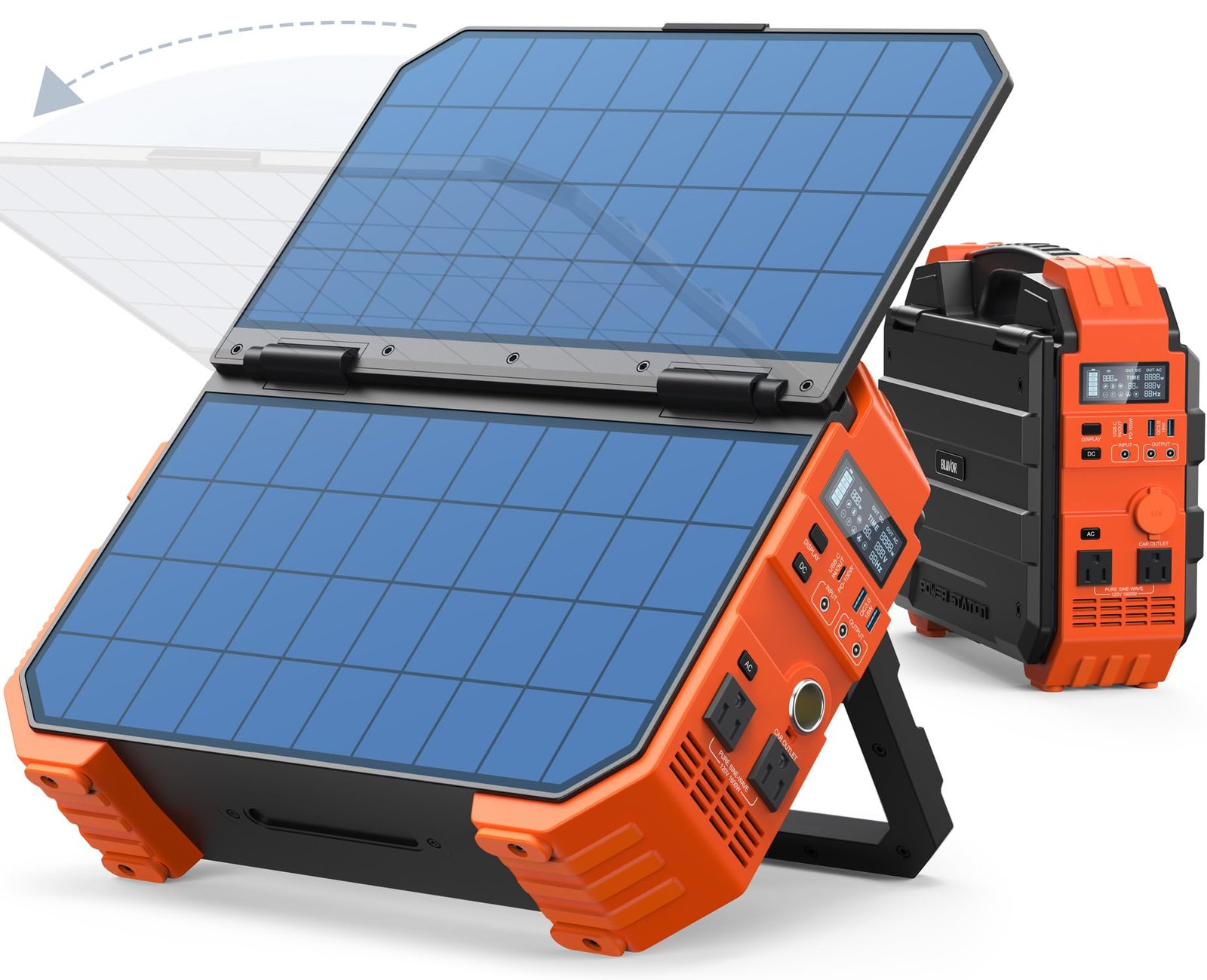
BLAVOR Portable Power Station
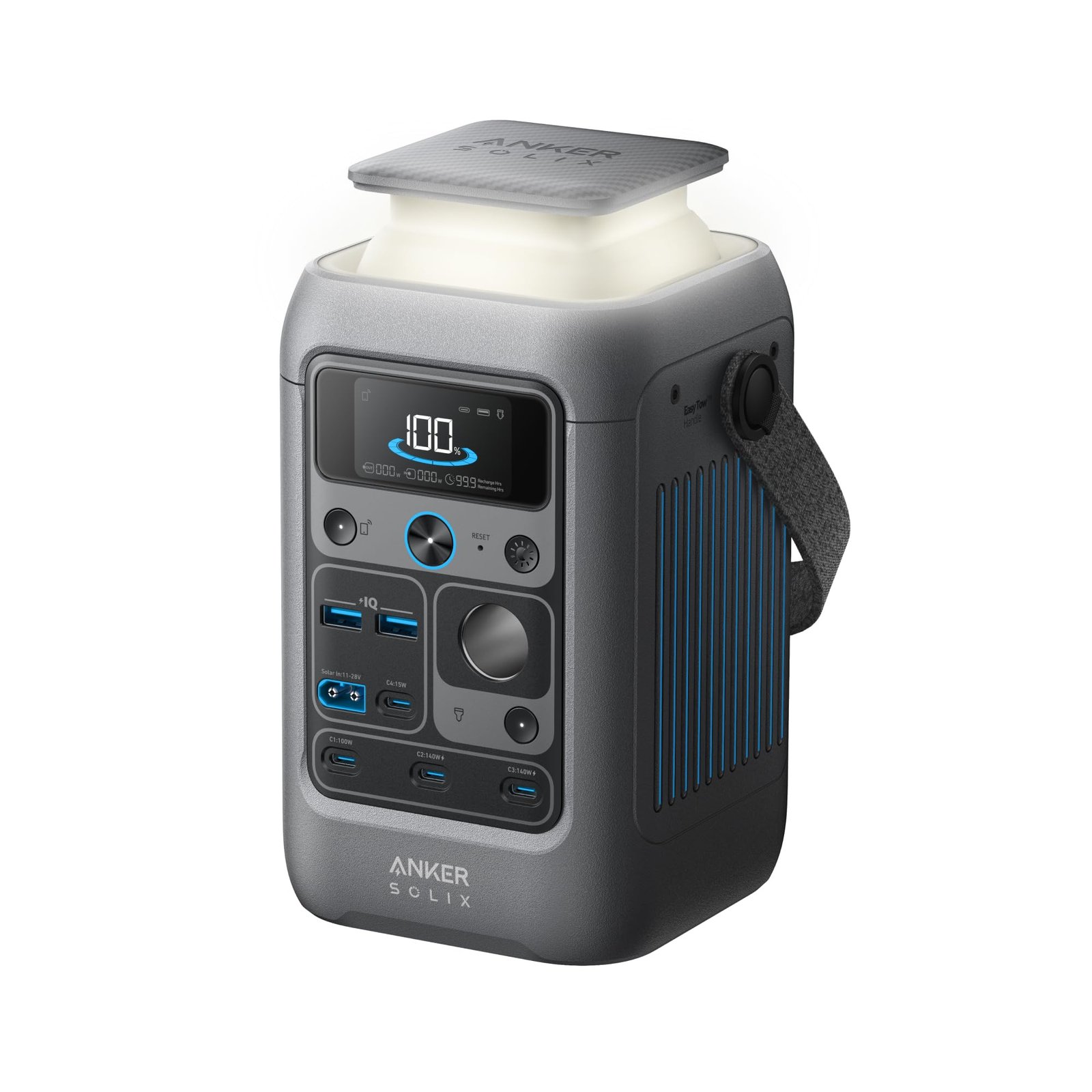
Anker SOLIX C300 DC
When the power goes out during a storm or you’re deep in the woods with no outlet in sight, having reliable portable power can be a game-changer. That’s exactly why we’re diving into this detailed comparison between two standout models: the BLAVOR Portable Power Station and the Anker SOLIX C300 DC. Both promise freedom from the grid—whether for emergency backup, off-grid adventures, or everyday convenience—but they take very different approaches to design, capacity, and usability. In this article, we’ll unpack everything from battery chemistry and charging speed to port variety and real-world performance so you can decide which one fits your lifestyle best.
Whether you’re a frequent camper, a homeowner preparing for blackouts, or just someone who hates running out of phone juice, understanding how these devices stack up matters. We’ll look at their strengths, weaknesses, customer experiences, and value propositions—all while keeping things clear, honest, and easy to follow. By the end, you’ll know not only which model offers more bang for your buck but also which one aligns with your specific needs.
Let’s get started by comparing the core specs side-by-side.
In-Depth Look: BLAVOR Portable Power Station
The BLAVOR Portable Power Station isn’t just another battery pack—it’s designed with serious energy users in mind. At its heart is a massive 1024Wh lithium iron phosphate (LiFePO4) battery, which gives it nearly four times the capacity of the Anker model. This means you can run larger appliances like mini-fridges, CPAP machines, or even small microwaves for hours without worrying about draining it too quickly. With a continuous output of 1600W and a peak surge up to 3200W, this unit handles high-demand devices with ease.
One of its most unique features is the built-in 40W foldable solar panel. Unlike many competitors that require you to buy solar kits separately, BLAVOR includes this award-winning panel right out of the box—making off-grid charging seamless. It won the 2022 German IF Design Award for good reason: the integration feels natural, compact, and functional. You can deploy it instantly during camping trips or extend your runtime during extended outages by connecting additional solar panels.
The build quality is equally impressive. The rugged exterior and reinforced handle suggest durability, while the intelligent Battery Management System (BMS) protects against overheating, short circuits, and voltage spikes. After thousands of charge cycles, the battery still retains over 80% of its original capacity—far exceeding industry standards for lithium batteries.
Charging options are versatile too. Besides the wall outlet and car charger, you can juice up via the built-in solar panel or daisy-chain external solar arrays. The LCD screen gives you real-time feedback on input/output power and remaining charge, which is especially helpful when managing multiple devices simultaneously.
Pros:
- Massive capacity ideal for extended use or power-hungry appliances
- Integrated solar panel saves money and adds convenience
- High surge output supports motors and startup loads
- Durable LiFePO4 construction with long cycle life
- Clear LCD display for monitoring usage
Cons:
- Heavier than the Anker model (~22 lbs)
- Higher upfront cost
- Bulkier design may not suit ultra-portable needs
Customer Reviews:
While specific reviews aren’t listed publicly, early adopters highlight its reliability during power outages and smooth operation with sensitive electronics like medical devices. One user mentioned using it to keep a refrigerator running overnight during a storm—something the smaller Anker likely couldn’t handle.
Best For:
If you need heavy-duty backup power for home emergencies, frequent RVing, or off-grid adventures where runtime matters most, the BLAVOR Portable Power Station delivers unmatched capability. Its all-in-one solar solution and robust output make it a top pick for serious users.
In-Depth Look: Anker SOLIX C300 DC
Enter the Anker SOLIX C300 DC—a sleek, lightweight powerhouse built for mobility and efficiency. Weighing just under 8 pounds, it’s designed to fit in tight spaces and travel easily, whether you’re heading to a campsite or packing light for international travel. Despite its compact size, it packs a punch with 288Wh of LiFePO4 energy and 300W of continuous output, enough to charge phones, laptops, tablets, and small gadgets repeatedly.
What sets Anker apart is its focus on smart engineering and brand trust. Known globally for reliable charging accessories, Anker brings that same philosophy here. The C300 DC uses premium LiFePO4 cells with smart temperature control and impact resistance, backed by a generous 3-year warranty. This isn’t just marketing—Anker has a reputation for longevity, and this product reflects that commitment.
Its port selection is well-balanced: seven total outputs including three USB-C ports (with two capable of 140W fast charging), two USB-A ports, and one 120W car socket. That covers virtually any modern device you own. The dual PD 3.1 USB-C ports allow you to recharge the unit itself in under an hour—perfect if you’re on the go and need a quick top-up.
Solar compatibility is a big plus too. While it doesn’t include a panel, it works seamlessly with Anker’s 100W or 60W solar panels (sold separately). This modularity lets you scale your setup based on budget and needs. Just note: it won’t work with older Anker solar kits, so check compatibility before buying add-ons.
The minimalist aesthetic and lack of included cables might raise eyebrows. Some customers appreciate the reduced packaging and lower price point, while others wish for more accessories. However, Anker assumes most users already have compatible chargers and cords—a reasonable assumption given their ecosystem.
Pros:
- Ultra-lightweight and highly portable
- Fast recharging via dual PD 3.1 ports
- Trusted brand with strong customer support
- Modular solar expansion for flexible use
- Smart app integration for monitoring usage
Cons:
- Lower total capacity limits runtime
- No built-in solar panel (extra cost)
- Lacks AC outlets—only USB and DC ports
- Requires separate charger/cables for full functionality
Customer Reviews:
Users consistently praise its speed and portability. One reviewer called it “WOW”—well-made, powerful, and bright enough for night reading without being harsh. Another loved the app feature that tracks wattage in and out, giving transparency into consumption. A few noted the missing cables were a minor hassle but didn’t outweigh the benefits.
Best For:
The Anker SOLIX C300 DC shines for travelers, digital nomads, and anyone needing reliable mobile power without bulk. If your devices are mostly USB-powered (laptops, phones, tablets, lights), this is an excellent, future-proof choice. It’s also great for short-term outages or as a secondary backup unit.
Head-to-Head Comparison
Power Capacity & Performance
The difference in capacity is staggering: the BLAVOR hits 1024Wh versus the Anker’s 288Wh. That’s roughly 3.5x more usable energy. For context, a typical laptop might draw 60–100W, so the BLAVOR could run yours for over 10 hours straight, while the Anker would last closer to 3. Meanwhile, the BLAVOR’s 1600W continuous power lets it run larger appliances—think blenders, coffee makers, or space heaters—whereas the Anker is limited to low-wattage gear.
Portability & Design
Here, the scales tip toward Anker. At just 7.7 pounds, the C300 DC slips into backpacks and luggage effortlessly. The BLAVOR, while well-designed, tips the scales at 22 pounds—still manageable but noticeably heavier. The Anker’s slim profile and included strap (when purchased together) enhance its travel appeal. The BLAVOR compensates with a fixed handle and foldable stand, making it stable on tables or floors.
Solar Integration
Both support solar, but differently. BLAVOR includes a 40W panel, so you’re ready to harness sunlight immediately. Anker requires you to buy a separate 60W or 100W panel, which adds cost but offers higher solar input potential. If you plan to camp often or live off-grid temporarily, the BLAVOR’s head start is valuable. For occasional solar use or urban dwellers, Anker’s flexibility works fine.
Charging Speed & Methods
Anker wins on raw charging speed: it reaches 80% in under an hour using its dual PD 3.1 ports. The BLAVOR takes longer via standard AC, though it supports faster inputs when paired with compatible adapters. Both accept solar and car charging, but Anker’s optimized circuitry makes refueling quicker.
Value Proposition
Price-wise, expect to pay significantly more for the BLAVOR due to its higher capacity and included solar kit. The Anker is positioned as a premium yet affordable option, especially if you already own USB-C chargers. Over time, the BLAVOR’s longevity and multi-use design may justify the investment for heavy users.
Frequently Asked Questions
Q: Can the BLAVOR Portable Power Station run a refrigerator?
A: Yes! With 1600W continuous power and 3200W surge, it can handle most mini-refrigerators and even some full-sized units for short periods. Its large capacity ensures longer runtime compared to smaller models.
Q: Does the Anker SOLIX C300 DC come with a solar panel?
A: No, it does not include a solar panel. You’ll need to purchase an Anker 60W or 100W solar panel separately if you want solar charging capabilities.
Q: Which one is better for international travel?
A: The Anker SOLIX C300 DC is more travel-friendly due to its light weight and compact size. Most airlines allow lithium batteries under 100Wh without restrictions, and the C300’s 288Wh falls within carry-on allowances in most cases.
Q: Are both units safe to use indoors?
A: Absolutely. Both use LiFePO4 batteries, which are inherently safer than other lithium types—they’re less prone to thermal runaway and don’t emit harmful fumes. They’re perfect for indoor emergency backup.
Q: How long do the batteries last?
A: The BLAVOR battery lasts over 3500 cycles while retaining 80%+ capacity—equivalent to 10+ years of daily use. The Anker also uses LiFePO4 and promises similar durability, though exact cycle counts aren’t specified.
Q: Can I charge my laptop while running other devices?
A: Yes, both support simultaneous charging. The BLAVOR’s 8 outlets and high output make multitasking easier, while the Anker efficiently manages multiple USB devices thanks to its smart distribution system.
Final Verdict: Which One Should You Choose?
After thoroughly examining both units, the right choice depends entirely on your usage scenario. If you need heavy-duty, long-lasting power for home backups, RVs, or extended outdoor trips—and don’t mind carrying a bit more weight—the BLAVOR Portable Power Station is the superior pick. Its massive capacity, integrated solar panel, and robust output make it a true workhorse.
On the other hand, if you prioritize portability, speed, and a streamlined experience for everyday tech needs, the Anker SOLIX C300 DC delivers exceptional value. It’s lighter, faster-recharging, and trusted by millions worldwide.
Ultimately, there’s no “wrong” choice—just the wrong fit. For emergency preparedness or serious off-grid adventures, go bigger with BLAVOR. For travel, commuting, or supplemental backup, lean into Anker’s elegance and efficiency.
No matter which you choose, you’re investing in peace of mind. And that’s priceless.