
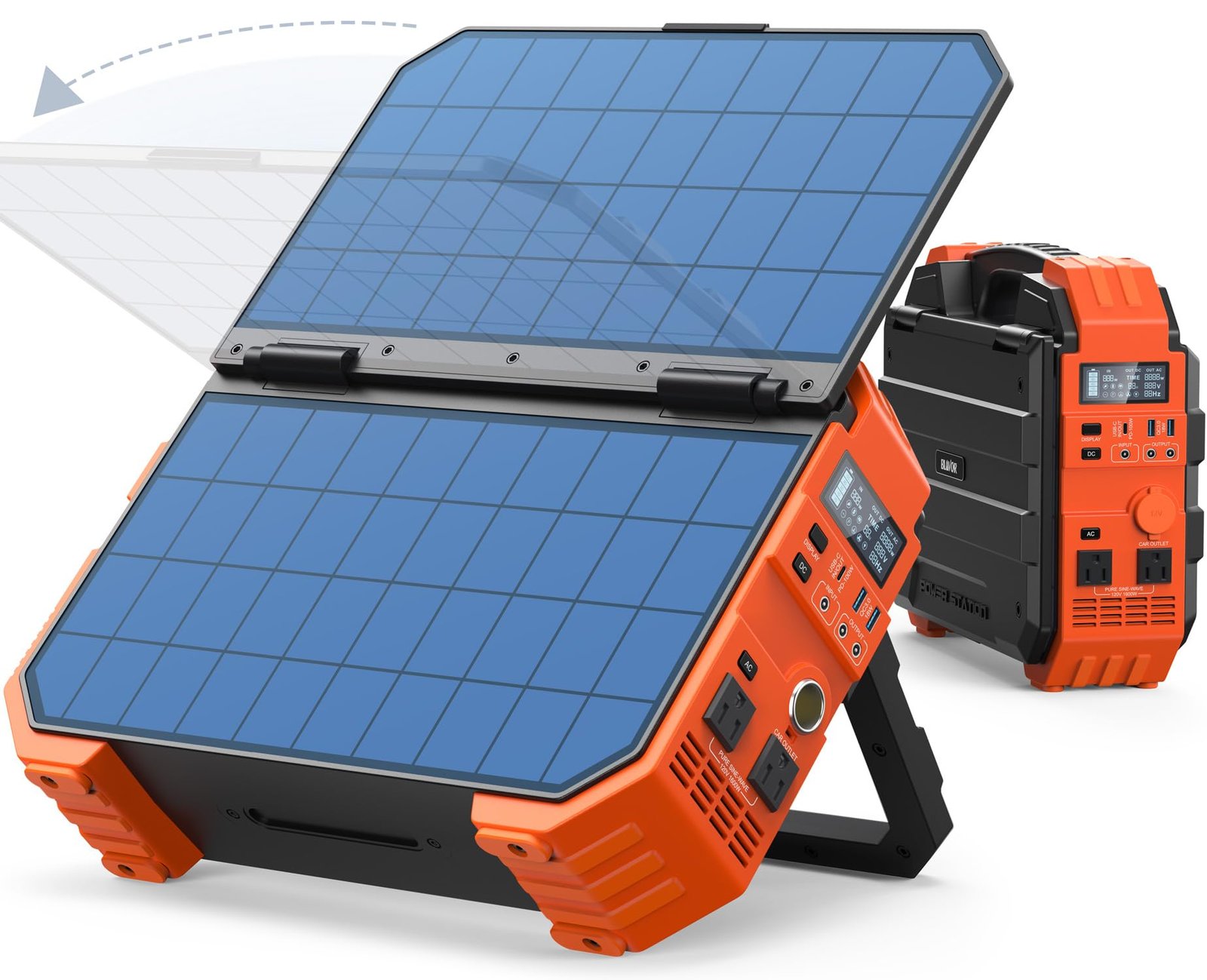
BLAVOR Portable Power Station
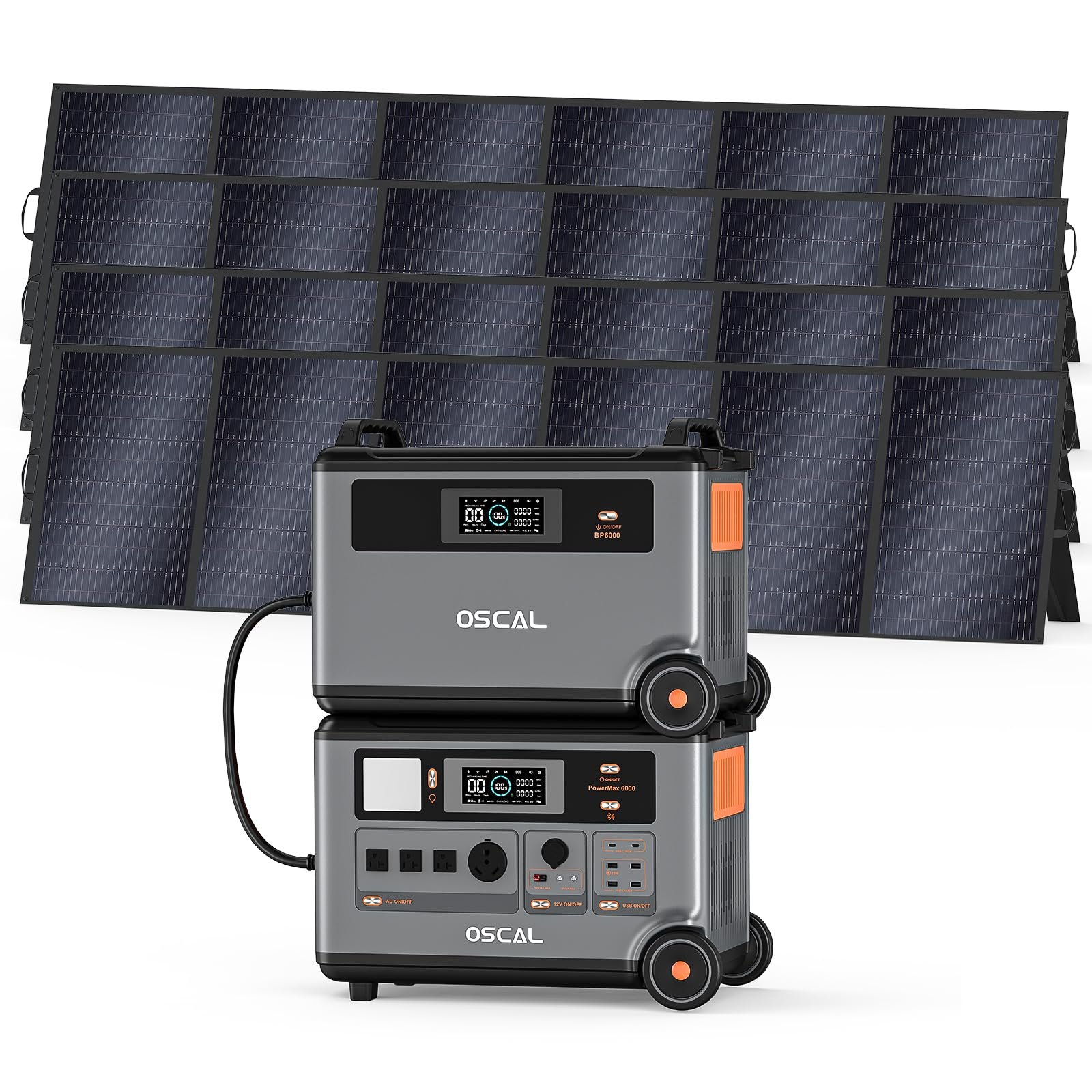
OSCAL 7200Wh Portable Power
Ultimate Travel Comparison: Blavor Power Station vs Oscal 7200Wh
When it comes to portable power, having a reliable energy source can make all the difference—whether you’re camping in the wilderness, preparing for a power outage, or simply need backup power for your devices on the go. Two standout options in the growing market of portable power stations are the BLAVOR Portable Power Station and the OSCAL 7200Wh Portable Power. Both promise high-capacity power, advanced features, and versatility for home and outdoor use. But which one truly delivers better value, performance, and reliability?
In this comprehensive comparison, we dive deep into every aspect of these two powerhouses—from battery technology and charging speed to build quality, usability, and real-world performance. Whether you’re a frequent camper, an RV enthusiast, or someone looking for peace of mind during emergencies, understanding how these units stack up will help you make a smarter, more informed decision. By the end of this article, you’ll know exactly which portable power station suits your lifestyle, budget, and power needs best.
Quick Comparison Table
In-Depth Look: BLAVOR Portable Power Station
Capacity: 1024Wh | Output: 1600W (3200W surge)
Battery: LiFePO4 | Solar: Built-in 40W panel
Weight: ~23 lbs | Dimensions: 14.6 x 8.7 x 11.8 in
The BLAVOR Portable Power Station is designed for those who want a compact yet powerful solution that balances portability with performance. At first glance, its most striking feature is the integrated 40W solar panel—folded neatly into the unit itself. This isn’t just a gimmick; it’s a game-changer for off-grid adventures. Imagine setting up camp, unfolding the solar panel, and watching your power station slowly recharge while you enjoy a quiet evening under the stars. That’s the kind of convenience BLAVOR delivers.
What makes this unit truly special is its award-winning design. Winner of the 2022 German IF Design Award, the BLAVOR Portable Power Station stands out not only for functionality but also for aesthetics and ergonomics. The sturdy handle, protective casing, and foldable stand make it easy to transport and position—ideal for camping trips, fishing excursions, or even backyard movie nights.
One of the biggest advantages of the BLAVOR model is its versatility in charging methods. You can plug it into a wall outlet, charge via your car’s 12V socket, or rely on sunlight using either the built-in panel or expandable external solar arrays. The inclusion of a 100W USB-C PD port means fast charging for laptops, tablets, and phones—both when powering devices and when recharging the station itself.
Under the hood, the BLAVOR uses premium LiFePO4 (lithium iron phosphate) cells, known for their safety, longevity, and thermal stability. With over 3,500 charge cycles and still retaining 80% capacity after 4,000+ cycles, this battery outperforms many competitors. Add to that a smart Battery Management System (BMS) that prevents overheating, overloads, and short circuits, and you’ve got a product built to last years—even with daily use.
Customers rave about its build quality and ease of use. One user noted, “From the moment I opened the box, it felt like a high-quality, well-thought-out product designed for both emergency backup and everyday portable power needs.” Another praised its ruggedness: “The standout feature is definitely the built-in folding solar panels. Most units require you to carry separate, bulky solar blankets… but having these integrated makes it much more ‘grab-and-go’.”
Of course, no product is perfect. While the BLAVOR excels in portability and solar integration, it lacks some advanced features found in higher-end models. There’s no UPS mode, meaning if the grid goes down, there’s a slight delay before the power station kicks in—not enough to disrupt sensitive electronics like routers or medical devices. Also, at 1024Wh, it’s significantly smaller than giants like the OSCAL model, so it may struggle to run larger appliances continuously.
Still, for casual campers, RVers on shorter trips, or anyone needing reliable backup power without the bulk, the BLAVOR Portable Power Station offers exceptional value. It’s eco-friendly, quiet, emission-free, and built to last—making it a top pick for sustainable outdoor living.
In-Depth Look: OSCAL 7200Wh Portable Power
Capacity: 7200Wh | Output: 6000W (9000W surge)
Battery: LiFePO4 | Solar: 4x500W panels (2000W total)
Weight: ~150+ lbs (with casters) | Dimensions: Large industrial design
If size and scale matter more than portability, the OSCAL 7200Wh Portable Power is in a league of its own. With nearly seven times the capacity of the BLAVOR model, this beast is engineered for serious power demands—think full-home backup during outages, remote construction sites, or extended RV stays where electricity is scarce. Its massive 7200Wh capacity and 6000W continuous output (surge up to 9000W) mean it can easily handle multiple high-wattage appliances simultaneously: microwaves, space heaters, CPAP machines, refrigerators, and more.
But what truly sets the OSCAL apart isn’t just raw power—it’s intelligence. Equipped with EPS (Emergency Power Supply) technology, it switches to battery power within 5–8 milliseconds during an outage. That near-instantaneous response time ensures critical devices like servers, medical equipment, or home security systems stay online without interruption. For homeowners in areas prone to blackouts, this feature alone justifies the investment.
The OSCAL also shines in charging speed. Using both AC input and solar panels together, it can charge from 0% to 100% in just 1.44 hours—faster than most competitors can even start. Even on standard AC alone, it reaches full charge in under two hours thanks to its 2200W bi-directional inverter. And speaking of solar, the included four 500W panels deliver a combined 2000W output, making it ideal for sustained off-grid operation.
Another standout feature is the Smart Life app control. Users can monitor real-time power usage, schedule charging, set discharge limits, and remotely manage connected devices. This level of digital oversight is rare in portable power stations and adds a layer of convenience typically reserved for smart home ecosystems.
Build quality matches the performance. The OSCAL feels industrial-grade—solid metal handles, reinforced corners, and heavy-duty casters make moving it around manageable despite its weight. Japanese customers have praised its robust packaging and thoughtful design, noting, “段ボールがしっかりと二重になっていて開封時から満足感が得られる。” (“The cardboard box was double-layered, and satisfaction came right from unboxing.”)
However, the OSCAL isn’t without trade-offs. Its sheer size and weight (~150+ pounds fully assembled) make it impractical for frequent travel or solo setup. It requires assembly, proper ventilation, and careful handling. Plus, while it supports split-phase 120/240V output, some users report that the pure sine wave during UPS mode drops slightly below 100V—though most agree this doesn’t affect everyday appliances.
Still, for families, off-grid cabins, tiny homes, or professionals needing reliable field power, the OSCAL 7200Wh Portable Power is a powerhouse worth considering. It’s essentially a mini-grid in a wheeled cabinet—perfect for emergencies, events, or sustainable living.
Head-to-Head Comparison
Performance & Power Delivery
The difference in power delivery between these two units is staggering. The BLAVOR Portable Power Station offers 1600W continuous output—more than enough for small appliances, laptops, and lights—but the OSCAL 7200Wh Portable Power delivers a jaw-dropping 6000W continuous and up to 9000W surge. If you need to run a microwave, hair dryer, and coffee maker at once, only the OSCAL can handle that load reliably. However, for typical camping or backup scenarios (mini-fridge, phone charging, LED lights), the BLAVOR is more than sufficient.
Portability & Design
This is where the two units diverge sharply. The BLAVOR wins hands down in portability. At just 23 pounds, it’s lightweight and compact, with an integrated handle and foldable stand for easy transport. The built-in solar panel eliminates the need to carry extra gear. In contrast, the OSCAL is a heavyweight champion—literally. Weighing over 150 pounds, it requires wheels and careful maneuvering. It’s built for stationary use, not frequent travel.
Solar Integration
Both support solar charging, but in very different ways. The BLAVOR includes a convenient 40W foldable panel that doubles as part of the unit’s design—great for light trickle charging or small setups. The OSCAL, however, comes with four 500W panels totaling 2000W, enabling rapid solar replenishment and extended off-grid use. If you plan to spend days off the grid, the OSCAL’s solar capability is far superior.
Charging Speed
Speed matters when you’re waiting for power. The OSCAL dominates here, charging fully in under 1.5 hours using both AC and solar inputs. The BLAVOR takes closer to 4–6 hours via AC alone. While the BLAVOR supports faster individual device charging (100W USB-C PD), the OSCAL’s overall recharge time is unmatched for large-capacity units.
Advanced Features
If you crave smart tech, the OSCAL has you covered with its companion app, allowing remote monitoring and control. The BLAVOR keeps things simple with an LCD display showing basic stats like input/output and remaining battery. Neither has voice control or AI assistants, but the OSCAL’s app integration gives it an edge for tech-savvy users.
Safety & Longevity
Both use LiFePO4 batteries—a gold standard for safety and lifespan. The BLAVOR promises over 10 years of daily use; the OSCAL claims up to 25 years. Their BMS systems are equally robust, offering protection against overcharge, short circuits, and temperature fluctuations. In terms of durability, both feel premium, though the OSCAL’s industrial build suggests heavier-duty use.
Value for Money
Pricing isn’t provided here, but based on specs and target markets, the BLAVOR offers excellent value for occasional users and travelers. The OSCAL commands a premium price point justified by its massive capacity and professional-grade features—ideal for serious off-grid living or emergency preparedness.
Frequently Asked Questions
Q: Can I use the BLAVOR Portable Power Station as a home backup during blackouts?
A: Yes, absolutely. It runs quietly and cleanly, supporting essential devices like refrigerators, CPAP machines, and lights. However, it lacks UPS functionality, so there may be a brief delay during power loss. For most households, though, it’s a reliable secondary power source.
Q: Does the OSCAL 7200Wh Portable Power work with existing solar systems?
A: Yes! With its 2400W solar input capability, the OSCAL can integrate with most residential solar setups. Just ensure your panels don’t exceed its maximum input rating, and you’ll benefit from hybrid charging—grid, solar, or both.
Q: How long does the BLAVOR Portable Power Station take to charge from empty?
A: From 0% to 100%, it takes approximately 4–6 hours using a standard AC wall outlet. With the built-in solar panel, expect slower trickle charging (full charge may take 20+ hours depending on sunlight). For faster recharging, consider adding external solar panels.
Q: Is the OSCAL 7200Wh Portable Power suitable for RVs?
A: Yes, but only if you have ample storage and aren’t planning frequent moves. Its large footprint and weight make it less ideal for tight RV spaces or frequent relocations. It’s better suited for stationary RV bases or campsites with dedicated parking.
Q: Which one is quieter—the BLAVOR or OSCAL?
A: Both operate silently since they’re battery-powered and have no moving parts like gas generators. Neither produces noise, so silence isn’t a differentiating factor here.
Q: Can I expand the battery capacity of either unit?
A: The BLAVOR does not support battery expansion. The OSCAL, however, allows additional battery modules to be added, increasing total capacity beyond 7200Wh—ideal for future-proofing your setup.
Final Verdict: Which One Should You Choose?
After thoroughly examining both the BLAVOR Portable Power Station and the OSCAL 7200Wh Portable Power, it’s clear that each serves a distinct audience with unique needs. If you’re a traveler, camper, or urban dweller seeking reliable, quiet, and portable power for everyday emergencies or weekend getaways, the BLAVOR is your best bet. Its integrated solar panel, compact size, and solid performance make it a joy to use on the move.
On the other hand, if you require serious backup power for your entire home—especially during extended outages—or operate remotely without access to electricity, the OSCAL 7200Wh Portable Power is in a class by itself. Its massive capacity, lightning-fast charging, UPS mode, and expandability justify its higher cost for those who demand reliability above all else.
Ultimately, the choice comes down to scale and lifestyle. Want something you can grab and go? Go with the BLAVOR. Need a permanent, high-output power hub? The OSCAL is unmatched.
No matter which you choose, you’re investing in peace of mind, sustainability, and freedom from grid dependency. Both products reflect years of engineering refinement and real-world feedback—proving that portable power has come a long way from clunky generators to sleek, intelligent energy solutions.
Ready to make your pick? Check out both models below and see which resonates with your power needs: