
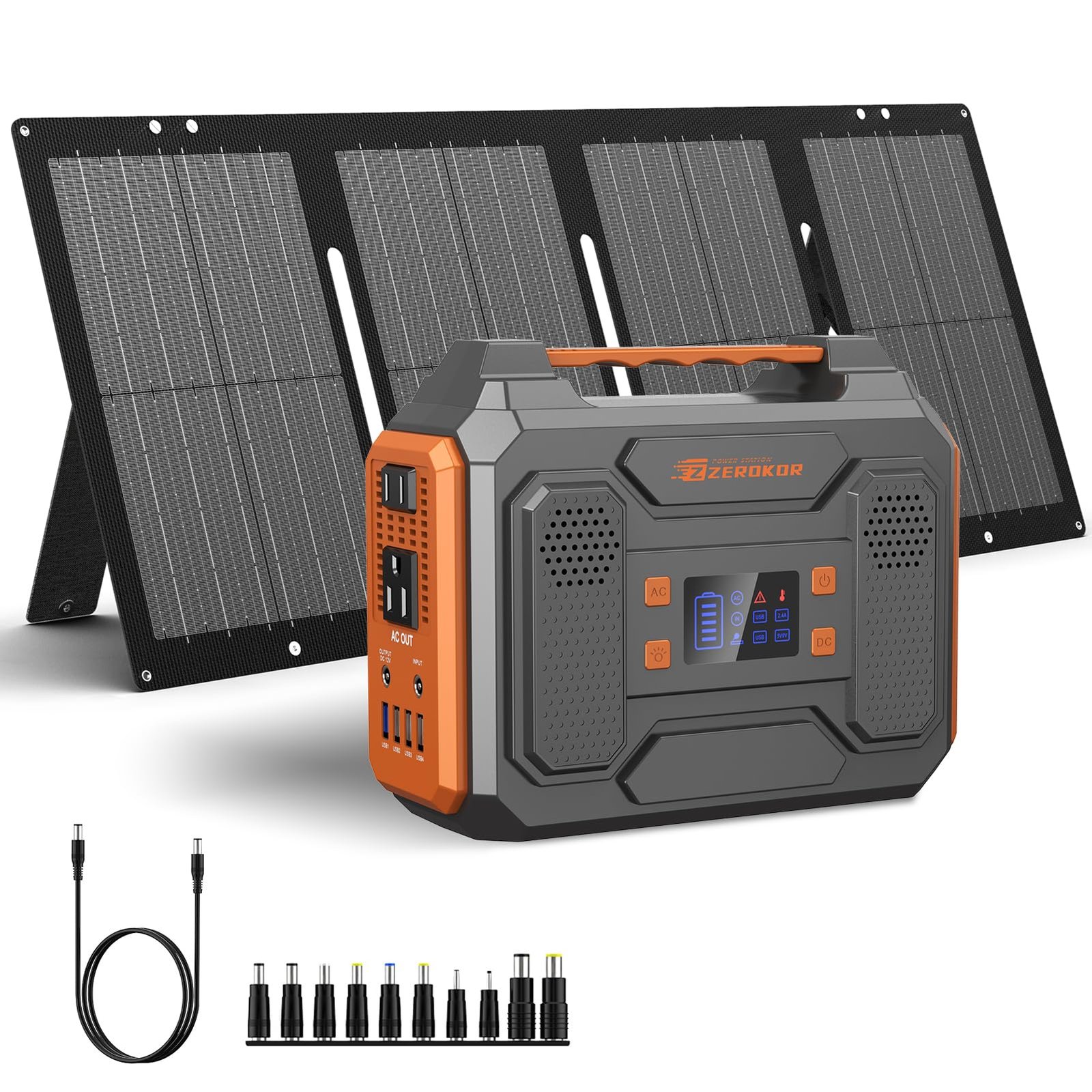
Portable Solar Generator
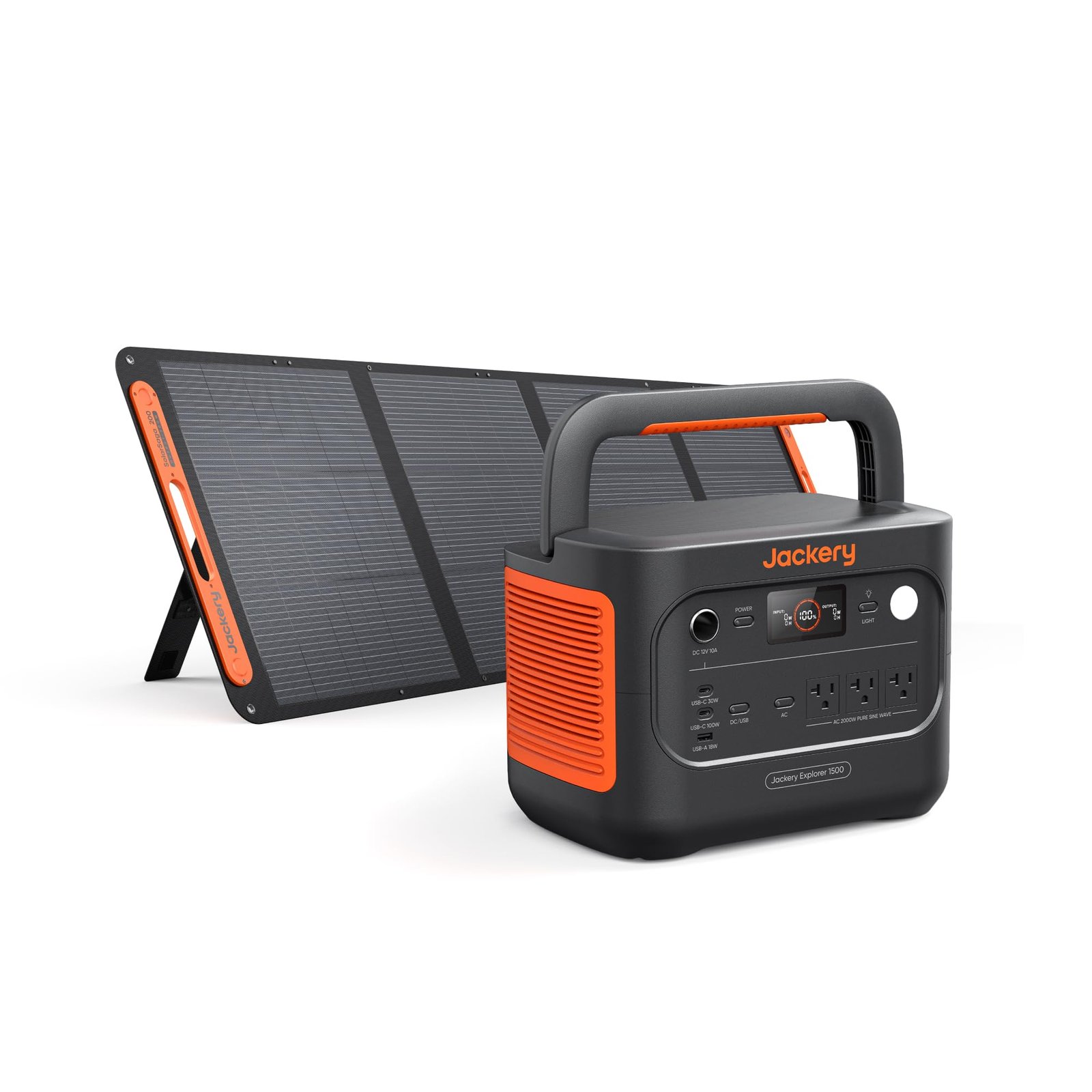
Jackery Explorer 1500 v2
When it comes to portable power solutions for camping, off-grid adventures, or emergency backup, two names often come up in conversations: the Portable Solar Generator and the Jackery Explorer 1500 v2. Both promise reliable energy on the go, but they cater to slightly different needs and budgets. Whether you’re a weekend camper, a digital nomad, or someone preparing for unexpected outages, choosing the right portable power station can make all the difference.
This comparison dives deep into these two popular solar generators, examining their features, performance, durability, and overall value. We’ll break down everything from battery capacity and charging speed to build quality and real-world usability—so you can make an informed decision based on your lifestyle and priorities. By the end of this article, you’ll know exactly which unit fits your needs best.
—
—
In-Depth Look: Portable Solar Generator
The Portable Solar Generator is designed for those who want a no-frills, budget-friendly solution for small-scale outdoor power needs. With a 299.2Wh lithium-ion battery and a modest 300W peak output, this unit shines when it comes to charging personal electronics like smartphones, tablets, laptops, and even running compact camping gear such as LED lights or mini fans.
One of its standout features is the inclusion of a 60W foldable monocrystalline solar panel. This panel offers decent efficiency under direct sunlight, though it’s important to note that charging via solar alone will take several hours—especially on cloudy days. The generator supports multiple input methods: AC wall outlet, 12V car port, and solar, giving users flexibility depending on their location.
The device sports a clean layout of ports: two 300W AC outlets, one DC output, three USB-A ports, and one USB-C with quick-charge support. It also includes an SOS flashlight—a nice touch for emergencies. Built-in protections include over-voltage, short circuit, and thermal safeguards, all managed by a smart cooling fan system.
However, there are limitations. The 300W cap means you can’t run high-wattage appliances like blenders, air compressors, or microwaves. Also, the Li-ion chemistry isn’t as durable or long-lasting as newer alternatives. While it works well for light use, heavy-duty applications may wear it down faster.
Customers appreciate its affordability and ease of use. One reviewer mentioned using it consistently for drone and RC car charging during racing events—five devices at once for hours without issues. Another noted it arrived partially charged and performed reliably during a camping trip where it powered a night light and phone charger.
That said, some users warn against letting the battery drop below 20% or storing it fully depleted for long periods, as this can trigger protection modes. Overall, it’s best suited for casual campers, travelers, or anyone needing reliable backup for low-power devices.
—
In-Depth Look: Jackery Explorer 1500 v2
Stepping into the mid-to-high-end market, the Jackery Explorer 1500 v2 redefines what a portable power station should be. Powered by a massive 1536Wh LiFePO4 battery, it delivers a rock-solid 2000W continuous output with a staggering 4000W surge capacity—enough to handle most household appliances including refrigerators, power tools, and space heaters during blackouts.
What truly sets this unit apart is its use of Lithium Iron Phosphate (LiFePO4) technology. Unlike traditional NMC batteries used in cheaper models, LFP cells offer superior safety, stability, and longevity. The Explorer 1500 v2 boasts over 6000 charge cycles while retaining more than 70% capacity—effectively giving you an 11-year lifespan. That’s peace of mind few competitors can match.
Jackery didn’t skimp on convenience either. The included 200W SolarSaga panel is highly efficient and pairs seamlessly with the unit’s MPPT charge controller. When combined with a larger solar array, you can reach 80% charge in just four hours. Even better, the app-controlled fast charge feature gets you from 0 to full in under an hour—perfect for last-minute emergencies.
Despite its power, the Explorer 1500 v2 remains surprisingly portable. At just under 32 pounds and compact dimensions, it’s engineered for RVers and adventurers who need serious juice without sacrificing mobility. The build quality feels premium, with sturdy handles and protective casing.
While customer reviews aren’t currently available on Amazon (possibly due to being a newer model), early adopters and tech reviewers praise its reliability, silent operation, and ability to keep essential devices running during extended outages. It’s ideal for remote workers, off-gridders, or families preparing for natural disasters.
—
Head-to-Head Comparison
Battery Performance & Longevity
The difference in battery technology between these two units is night and day. The Jackery Explorer 1500 v2 uses advanced LiFePO4 chemistry, which not only lasts longer but also remains stable under high loads and extreme temperatures. In contrast, the Portable Solar Generator relies on standard NMC lithium-ion cells, which degrade faster and pose higher fire risks if damaged.
Capacity-wise, Jackery blows the competition out of the water—over five times more usable energy. If you need to power a CPAP machine overnight or run a mini-fridge for a weekend, only the Explorer 1500 v2 will suffice.
Charging Speed & Flexibility
Fast charging is where Jackery pulls ahead significantly. Thanks to its app-enabled rapid charge and superior internal circuitry, the Explorer 1500 v2 reaches 100% in just one hour—compared to the Portable Solar Generator’s 5–6 hour AC recharge time.
Both support solar charging, but Jackery’s 200W panel and optimized MPPT controller allow much faster replenishment. Plus, the ability to stack multiple panels opens up unlimited off-grid potential.
Power Output & Appliance Compatibility
This is perhaps the biggest distinction. The Portable Solar Generator caps at 300W, making it suitable only for small electronics. Anything drawing near or above that threshold—like hair dryers, coffee makers, or vacuum pumps—will likely overload it.
Meanwhile, the Jackery Explorer 1500 v2 handles anything from laptops to power tools with ease. Its 2000W rating and 4000W surge mean you’re covered for nearly any emergency scenario.
Portability vs. Power Density
At first glance, the Portable Solar Generator seems lighter and easier to carry. But when you factor in real-world usability, Jackery strikes the perfect balance. At 32 lbs, it’s heavier—but still manageable for most adults, especially with its ergonomic handles and compact footprint. The extra weight reflects its industrial-grade components and massive energy storage.
If you’re doing ultralight backpacking, the Portable Solar Generator wins. But for vanlife, cabin stays, or emergency preparedness, Jackery’s density-to-weight ratio is unbeatable.
Value Proposition
The Portable Solar Generator offers incredible value for occasional users. For under $400, you get reliable power for phones, cameras, and small gadgets. It’s a great starter unit or secondary backup.
On the other hand, the Jackery Explorer 1500 v2 costs around $1,300—but you’re paying for durability, expandability, and future-proofing. For professionals, frequent campers, or households needing dependable off-grid energy, the ROI becomes clear quickly.
—
Frequently Asked Questions
Q: Can I charge both devices simultaneously?
A: Yes! Both units support simultaneous input from AC, solar, and car sources. Just ensure your total input wattage doesn’t exceed the device’s limits. For optimal results, use the Jackery Explorer 1500 v2 with its fast-charging capability.
Q: How long does it take to charge each unit via solar?
A: The Portable Solar Generator takes about 12–15 hours to fully charge using its 60W panel under ideal conditions. The Jackery Explorer 1500 v2, paired with its 200W panel, reaches 80% in roughly 4 hours and 100% in under 6 hours.
Q: Are these safe to use indoors?
A: Absolutely. Both units operate silently and emit no emissions. However, always ensure adequate ventilation, especially when running high-wattage appliances. The Jackery model’s LiFePO4 chemistry adds an extra layer of safety.
Q: Which one is better for RV trips?
A: The Jackery Explorer 1500 v2 is the clear winner for RVs. Its high capacity and robust output can handle air conditioners, microwaves, and entertainment systems. The Portable Solar Generator works well for basic needs but lacks the muscle for extended RV use.
Q: Do I need special cables for solar charging?
A: Each unit comes with compatible connectors, but always verify cable types before purchasing additional panels. The Jackery system uses industry-standard MC4 connectors, widely available and interchangeable.
Q: Is the Jackery Explorer 1500 v2 worth the price?
A: If you prioritize longevity, safety, and maximum utility, yes—it’s an excellent investment. While expensive upfront, its 11-year lifespan and minimal maintenance make it cost-effective over time. Compare it directly to the Portable Solar Generator for a budget-friendly alternative.
—
Final Verdict: Which One Should You Choose?
Choosing between the Portable Solar Generator and the Jackery Explorer 1500 v2 ultimately depends on your usage patterns and budget. If you’re a casual camper, hiker, or need occasional backup power for phones and tablets, the Portable Solar Generator delivers solid performance at a fraction of the cost. It’s lightweight, affordable, and easy to operate—making it ideal for beginners or supplemental use.
However, if you demand reliability, longevity, and the ability to power larger devices—including appliances during outages or remote work setups—the Jackery Explorer 1500 v2 is in a league of its own. Its LiFePO4 battery, massive capacity, and fast-charging tech justify the higher price tag for serious users.
In summary:
– Choose the Portable Solar Generator if you want affordability, simplicity, and light-duty power.
– Go with the Jackery Explorer 1500 v2 if you need heavy-duty performance, long-term durability, and true off-grid independence.
Whichever you pick, investing in a quality portable power station is a smart move toward energy resilience. Both options deliver on their promises—just align your choice with your actual needs.
Ready to upgrade your power game? Explore the full range at our affiliate links below:
Your next adventure—powered sustainably and stress-free—starts here.