
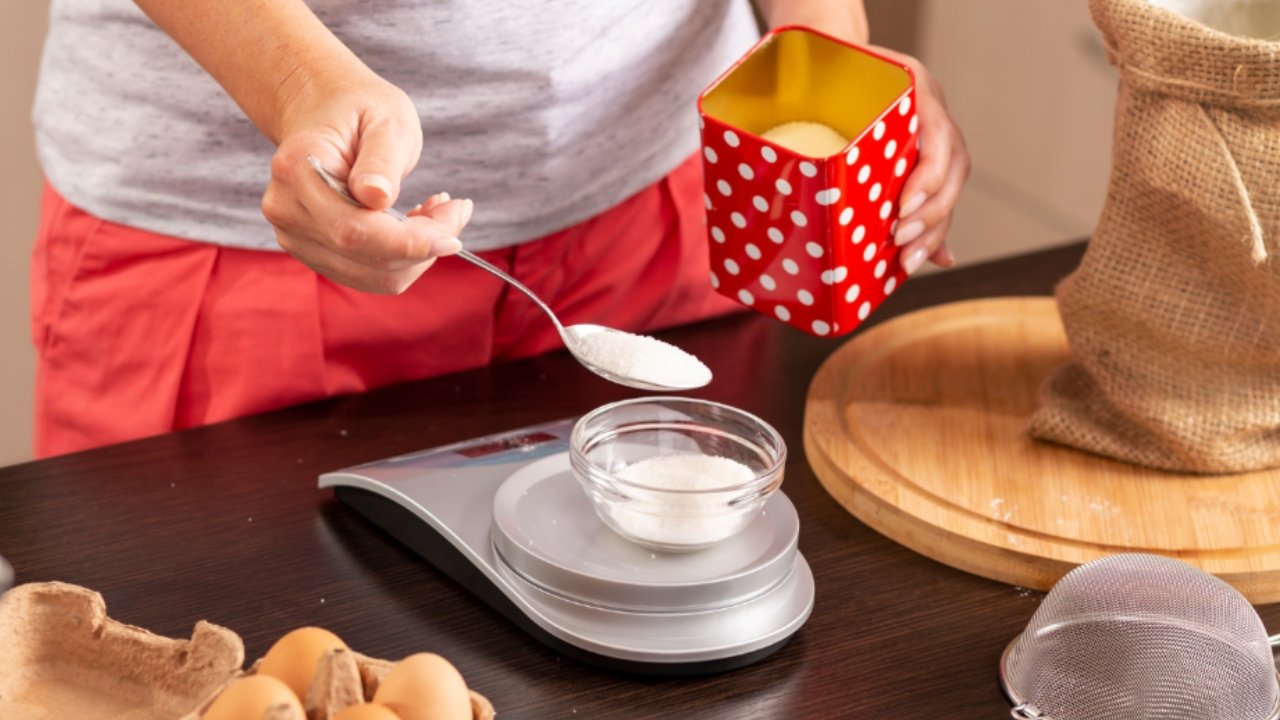
Cooking and baking are both art forms and science experiments. Getting the perfect dish often hinges on how accurately we measure our ingredients. That’s where a kitchen scale comes in. In this guide, I’ll share how to accurately measure ingredients with a kitchen scale, ensuring your culinary creations turn out just right every time. Whether you’re a novice cook or an experienced chef, mastering this skill can elevate your cooking game.
Source: cosmoappliances.com
In this blog post, I’ll cover everything from the types of kitchen scales available to the best practices for measuring different ingredients. You’ll learn why precision matters, how to use your scale effectively, and some common pitfalls to avoid. By the end of this post, you’ll be equipped with all the knowledge you need to measure ingredients accurately and confidently.
Why Use a Kitchen Scale?
Measuring ingredients by weight rather than volume can make a significant difference in your cooking and baking. Here’s why:
- Consistency: A kitchen scale ensures that you use the same amount of an ingredient every time, leading to consistent results.
- Precision: Some ingredients, like flour, can be compacted or aerated, affecting their volume. Weighing them provides a more accurate measurement.
- Simplicity: Using a scale can simplify your cooking process, especially when scaling recipes up or down.
Research from the Culinary Institute of America emphasizes that weighing ingredients can improve baking accuracy, which is crucial for achieving the desired texture and flavor in baked goods.
:max_bytes(150000):strip_icc()/__opt__aboutcom__coeus__resources__content_migration__serious_eats__seriouseats.com__images__2015__03__20150225-measuring-101-nila-jones-1-862c848585994794ad08b3a22d525ff5.jpg)
Source: www.seriouseats.com
Types of Kitchen Scales
When it comes to choosing a kitchen scale, there are a few options available:
Digital Kitchen Scales
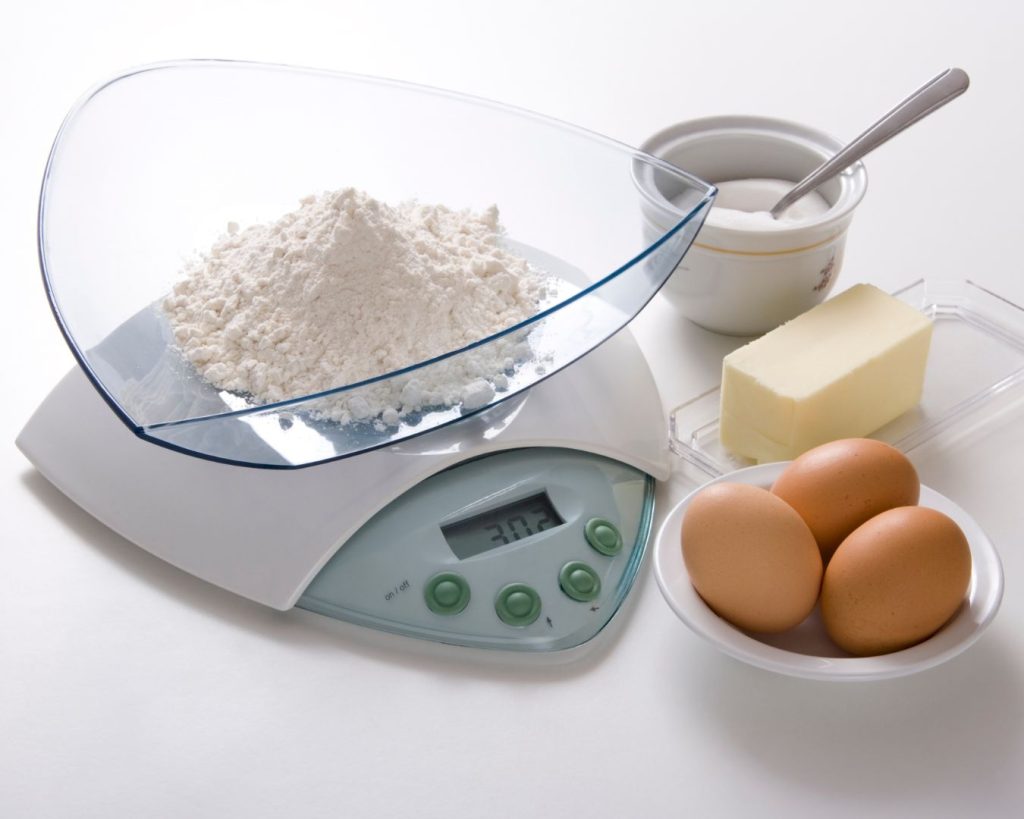
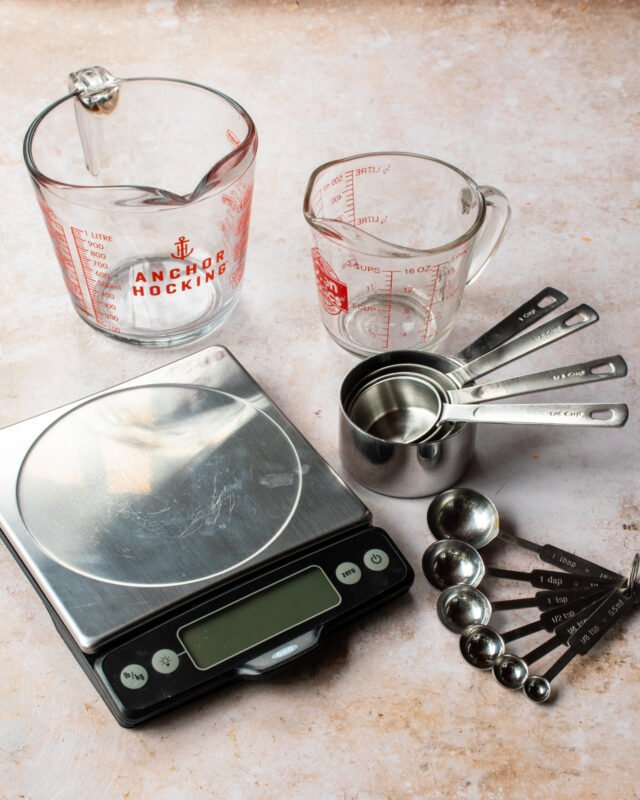
Digital scales are the most popular choice for home cooks. They provide precise measurements and often come with features like tare functions, which allow you to subtract the weight of containers.
Mechanical Kitchen Scales
These scales use springs and dials to measure weight. While they can be less precise than digital scales, they don’t require batteries and can be more durable.
Smart Kitchen Scales
Smart scales connect to your smartphone and can provide nutritional information about the ingredients you weigh. They are great for those who are health-conscious or tracking their diets.
Portion Control Scales
These scales are designed for those who need to measure out specific amounts for portion control, such as in meal prepping or for dietary needs.
Choosing the right scale depends on your cooking habits and preferences. I personally prefer a digital scale for its accuracy and ease of use.
Source: cosmoappliances.com
How to Use a Kitchen Scale
Using a kitchen scale is straightforward. Here’s a step-by-step guide:
Step 1: Place the Scale on a Flat Surface
Make sure your kitchen scale is on a stable, flat surface. This ensures accurate readings.
Step 2: Turn On the Scale
Press the power button to turn on your scale. Most digital scales will automatically zero out, but if yours doesn’t, you may need to press a “tare” button.
Step 3: Use the Tare Function
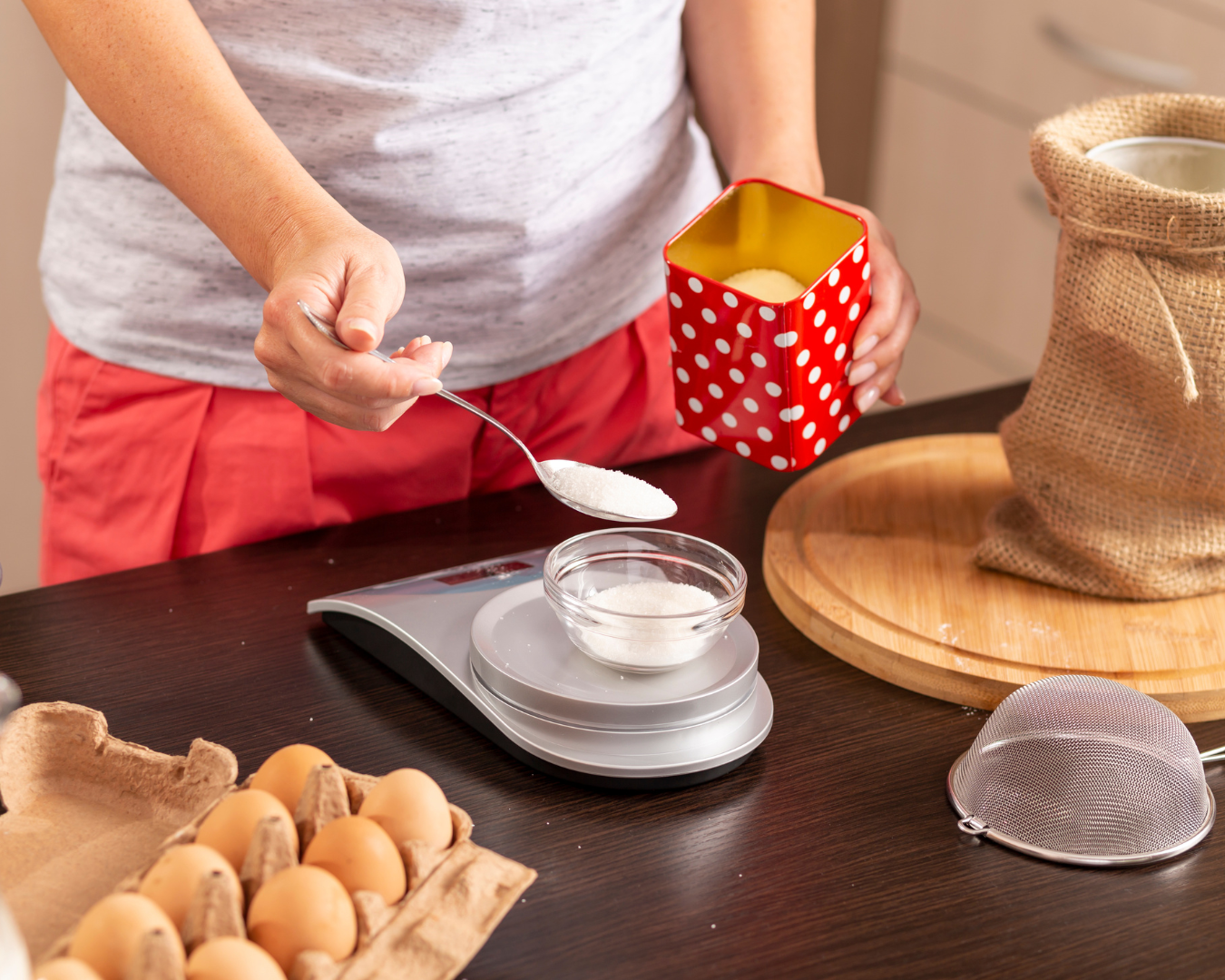
If you’re measuring ingredients in a bowl or container, place the container on the scale first and press the tare button. This will zero out the weight of the container, allowing you to measure only the ingredient.
Step 4: Add Your Ingredient
Slowly add your ingredient to the container until you reach the desired weight. Be patient and precise; small adjustments can make a big difference.
Step 5: Record Your Measurement
Once you’ve reached the desired weight, take note of it. If you’re following a recipe, make sure to note the weight of each ingredient.
Step 6: Clean Up
After measuring, clean your scale with a damp cloth to keep it in good condition.
Source: bluejeanchef.com
Measuring Different Ingredients
Different ingredients can present unique challenges when measuring. Here’s how to measure some common ingredients accurately:
Flour
Flour can be tricky because it can be packed down. To measure flour accurately:
- Use a spoon to fluff up the flour in its container.
- Spoon the flour into your measuring cup without packing it down.
- Level it off with a straight edge, then weigh it on your scale.
A study published in the Journal of Culinary Science & Technology found that weighing flour rather than measuring by volume can lead to a 25% difference in the amount used, affecting the final product.
Sugar
Granulated sugar is easier to measure than flour. Just scoop and level it off. For brown sugar, pack it into the measuring cup before weighing.
Liquids
For liquids, place a measuring cup on the scale and tare it to zero. Pour in the liquid until you reach the desired weight. Remember that 1 milliliter of water weighs 1 gram, which can help with conversions.
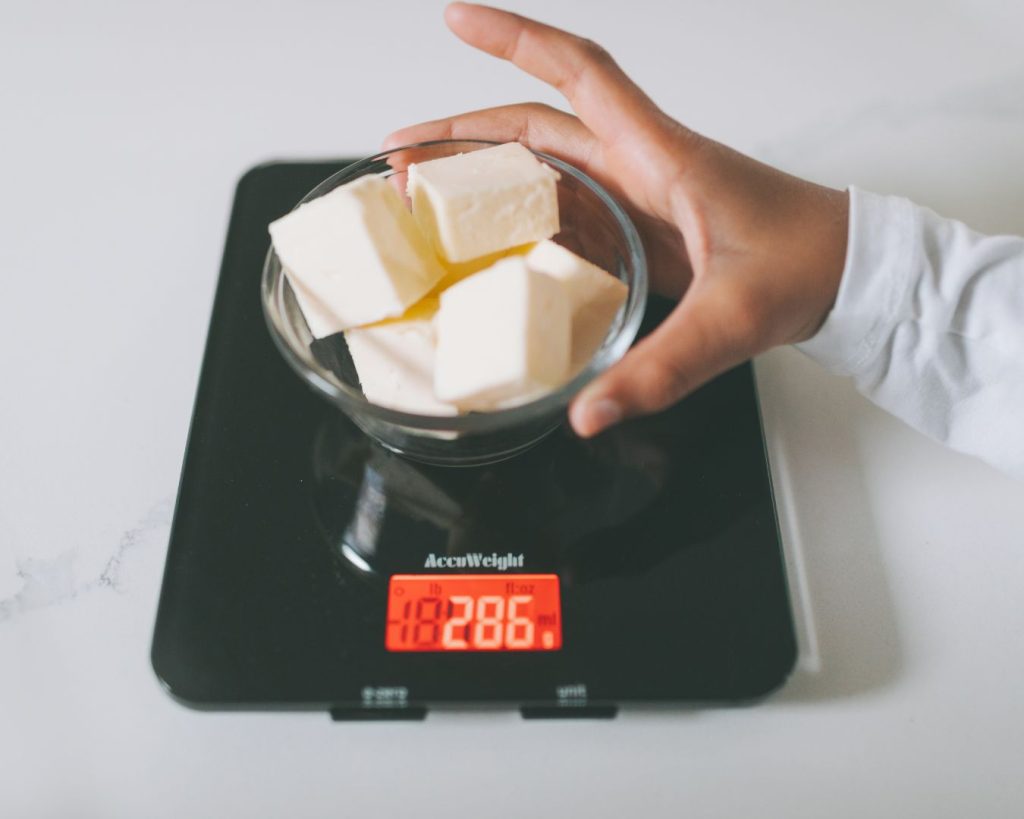
Butter
Butter is often sold in sticks with measurements on the wrapper. If you need a specific weight, simply weigh it out on your scale.
Solid Ingredients
For solid ingredients like fruits or vegetables, chop them into smaller pieces for easier measuring. Place them in a bowl on the scale and tare it before adding.
Source: cosmoappliances.com
Common Mistakes to Avoid
Even seasoned cooks can make mistakes when measuring ingredients. Here are some common pitfalls to avoid:
- Not Taring the Scale: Always zero out the scale with your container on it before adding ingredients.
- Using the Wrong Measurement Units: Ensure you know whether your recipe calls for grams, ounces, or pounds.
- Ignoring Ingredient Density: Different ingredients have different densities. For instance, a cup of flour weighs less than a cup of sugar. Always weigh your ingredients for the best results.

Source: www.amazon.com
Frequently Asked Questions
1. What is the best kitchen scale for home use?
The best kitchen scale for home use is one that fits your needs. Digital scales are often recommended for their precision and ease of use. Look for one with a tare function and a clear display.
2. How do I convert measurements from cups to grams?
To convert measurements from cups to grams, you can use conversion charts available online. For example, 1 cup of all-purpose flour is approximately 120 grams, while 1 cup of granulated sugar is about 200 grams.
3. Can I use a kitchen scale for meal prep?
Absolutely! A kitchen scale is a fantastic tool for meal prep. It helps you portion out ingredients accurately, making it easier to stick to your dietary goals.
4. How often should I calibrate my kitchen scale?
It’s a good practice to calibrate your kitchen scale every few months or if you notice discrepancies in your measurements. Refer to your scale’s manual for specific calibration instructions.
5. Are there any ingredients I shouldn’t weigh?
Most ingredients can be weighed, but some, like leafy greens, may be better measured by volume. However, for recipes that require precision, weighing is usually the best option.
Source: www.walmart.com
Conclusion
Accurately measuring ingredients with a kitchen scale is a fundamental skill that every cook should master. It not only enhances your cooking and baking but also ensures consistency and precision in your culinary adventures. By following the steps outlined in this guide, you can confidently use your kitchen scale to create delicious dishes every time.
Now that you have the knowledge, it’s time to put it into practice. Grab your kitchen scale and start measuring! If you found this guide helpful, feel free to explore additional resources or leave a comment below. Happy cooking!