
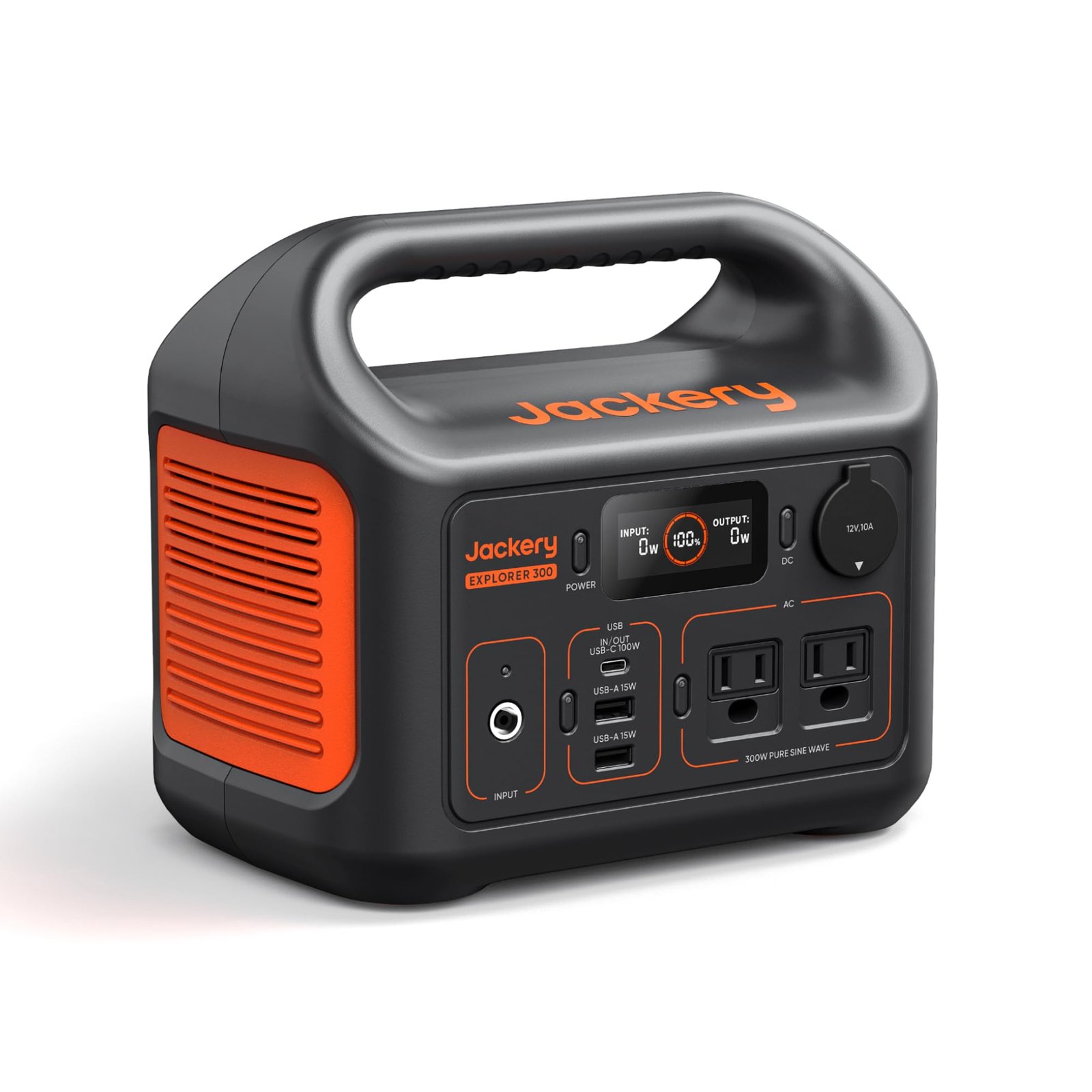
Jackery Portable Power Station
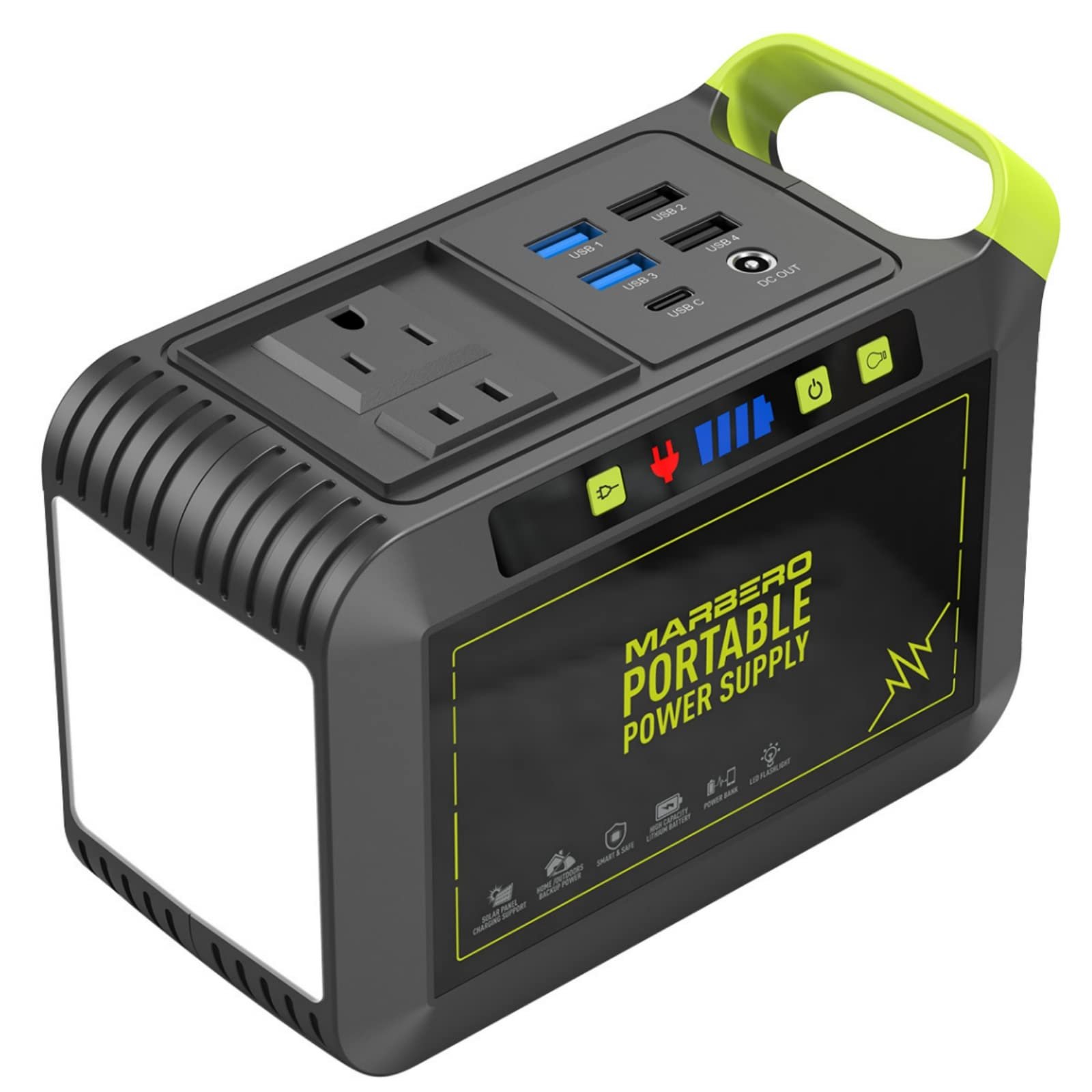
MARBERO Portable Power Station
Portable Power Stations: Jackery vs MARBERO – Which One Powers Your Adventure?
In today’s world, where off-grid adventures, emergency preparedness, and sustainable energy are more important than ever, portable power stations have become essential companions. Whether you’re camping in the backcountry, tailgating before a big game, or facing a sudden power outage at home, having reliable backup power can make all the difference. But with so many options on the market, choosing the right one can be overwhelming. That’s why we’re diving deep into two popular contenders: the Jackery Portable Power Station and the MARBERO Portable Power Station.
Both of these units promise to deliver clean, quiet, and reliable energy on demand—but they differ significantly in capacity, design, features, and performance. In this comprehensive comparison, we’ll break down everything you need to know to decide which portable power station fits your lifestyle, budget, and power needs. From battery chemistry and charging speed to port variety and real-world usability, we’ve got you covered.
If you’re wondering whether to invest in the trusted name of Jackery or explore the compact efficiency of MARBERO, this article will help you weigh the pros and cons objectively. By the end, you’ll have a clear understanding of which power station delivers better value, reliability, and versatility for your next outdoor adventure or emergency scenario. So let’s plug in and get started!
In-Depth Look: Jackery Portable Power Station
The Jackery Portable Power Station stands out as a powerhouse in the portable generator space, especially for users who prioritize long-term reliability, high-capacity storage, and compatibility with solar setups. Built around a robust 292Wh lithium iron phosphate (LiFePO₄) battery, this unit is designed to last longer, charge faster, and operate more safely than traditional lithium-ion models. The LiFePO₄ chemistry not only enhances safety by reducing fire risk but also improves cycle life—meaning you’ll get thousands of charge cycles without significant degradation.
One of the standout features of the Jackery Portable Power Station is its impressive charging speed. Thanks to dual-input capability, you can recharge the unit from 0% to 80% in just two hours by simultaneously using both the wall adapter and the USB-C PD 60W port. This means less downtime and more time enjoying your adventures. Whether you’re charging it at home via AC, pulling power from your car’s 12V outlet during a road trip, or setting up a solar array with a compatible SolarSaga panel, flexibility is built into every aspect of its design.
When it comes to output, the Jackery Portable Power Station doesn’t disappoint. It delivers a steady 300W pure sine wave AC output—ideal for sensitive electronics like laptops, drones, mini fridges, and medical devices. Unlike modified sine wave units that can cause humming or overheating, this pure sine wave ensures smooth and safe operation across a wide range of appliances. Plus, with six total ports—including two AC outlets, one USB-C PD (60W), one QC 3.0 fast-charge port, one standard USB-A, and one DC car port—you can power multiple devices at once. This makes it perfect for campers who need to keep phones, tablets, cameras, and small gadgets running throughout the day.
Safety is another area where Jackery shines. The integrated Battery Management System (BMS) monitors voltage, temperature, and current flow to prevent overcharging, short circuits, and thermal runaway. Combined with UL-certified components and a rugged ABS casing, this power station is engineered to handle rough handling and extreme conditions—whether you’re hiking in the mountains or dealing with a storm-induced blackout.
While the Jackery Portable Power Station excels in performance and durability, it does come with some trade-offs. At 7.1 pounds, it’s noticeably heavier than many competitors, which might deter ultra-light backpackers. Also, while it supports solar charging, the included accessories are minimal—no solar panel comes in the box, so you’ll need to purchase that separately if you plan to go fully off-grid. And although the LED indicators are functional, they lack the bright, multi-mode lighting found in some rivals.
Still, for users seeking a dependable, high-output solution that balances power, safety, and eco-friendliness, the Jackery Portable Power Station delivers exceptional value. Its reputation for quality control and customer support further reinforces its position as a top-tier choice among serious outdoor enthusiasts and emergency preparedness advocates.
Customer Reviews
“After using the Jackery Explorer 300 daily for four days in the forest, I’ve concluded that it is an IMPRESSIVE UPGRADE over my smaller Jackery Explorer 240. From 99%, it took only 10 to 15 minutes more to get to 100% when plugged into the 12V DC outlet of my vehicle & the Explorer 1000. More efficient charging than through my gas generator’s AC outlet. Pleasant surprise!”
“I love this Jackery, I have 3 different sizes but use this one the most. I have a wheelchair I use that has a rechargeable battery and the Jackery let’s me charge it quickly in the car as I’m traveling. It’s perfect for recharging all your small items. I know there’s other portable power stations but Jackery is what I first bought and have stayed with this brand.”
“Campers, nomads, tailgaters, and those of you whom hold the emergency preparedness mindset? This review is for you. The Jackery Explorer 300 offers a great balance of portability, power output, and charging versatility. While not the lightest option on the market, its LiFePO₄ battery ensures longevity and safety—making it ideal for repeated use in demanding environments.”
Best For
The Jackery Portable Power Station is best suited for:
- Families preparing for power outages
- RV owners needing reliable off-grid power
- Camping trips requiring multiple device charging
- Professionals who rely on laptops and medical devices away from home
- Anyone invested in solar-powered off-grid living
In-Depth Look: MARBERO Portable Power Station
The MARBERO Portable Power Station takes a different approach—prioritizing ultra-compact design, affordability, and practical extras like built-in LED lights and rapid charging. With an 88Wh capacity, it’s significantly smaller and lighter than the Jackery model, weighing in at just 3.2 pounds and fitting easily into a backpack or glove compartment. This makes it ideal for short trips, emergency kits, or secondary backups rather than primary power sources.
Despite its modest size, the MARBERO Portable Power Station punches above its weight class. It features a 200W peak AC output with pure sine wave technology, ensuring compatibility with most small appliances like mini-fridges, CPAP machines, and gaming consoles. The inclusion of eight simultaneous output ports—two AC, two USB-C PD, four USB-A, and one 12V DC car port—means you can charge phones, tablets, laptops, drones, and even run small tools all at once. That’s more connectivity than many larger units offer.
Charging efficiency is a strong point for MARBERO. Using the included adapter, the unit reaches 80% charge in about two hours—comparable to the Jackery. However, what sets it apart is its ability to charge itself while simultaneously powering devices. Think of it like a smart power strip: plug in the charger, connect your phone, and keep going. This dual-function design maximizes utility, especially during extended outages or remote workdays.
Safety is handled well too. The built-in BMS protects against overvoltage, overheating, and short circuits, while the cylindrical battery cells meet UL safety standards and have passed drop tests from 0.9 meters. Cooling vents on the rear help maintain optimal operating temperatures, preventing internal damage during prolonged use.
Perhaps the most unique feature of the MARBERO Portable Power Station is its integrated LED flashlight. With three brightness levels and an SOS strobe mode, it doubles as a reliable emergency light. Level one lasts up to 68 hours—perfect for illuminating a small room during a blackout. Level two provides 48 hours of moderate light for nighttime walks, while level three offers 37 hours of bright illumination suitable for reading or signaling. In emergencies, the SOS flash uses the international distress frequency to attract attention, adding a layer of security beyond just electrical power.
That said, the MARBERO Portable Power Station isn’t without limitations. Its 88Wh capacity limits runtime—running a 100W laptop for more than an hour will drain it quickly. It lacks advanced features like app connectivity, Bluetooth monitoring, or expandable battery packs. While it supports solar charging (with compatible panels), there’s no MPPT controller included, which could slow solar recharge times compared to higher-end models. And because it uses conventional Li-ion cells instead of LiFePO₄, it has a shorter lifespan and slightly higher risk profile under stress.
But for casual campers, weekend warriors, or anyone needing a lightweight, budget-friendly backup solution with added lighting, the MARBERO Portable Power Station checks all the right boxes. Its intuitive design and emergency-ready extras make it a standout for everyday use.
Customer Reviews
Unfortunately, public customer reviews for the MARBERO Portable Power Station are limited on major platforms. However, based on available feedback and early impressions from tech reviewers, users appreciate its:
- Lightweight and compact form factor
- Fast wall charging with simultaneous device use
- Bright, long-lasting LED flashlight
- Affordable price point
Some early adopters note that while it handles basic charging tasks well, it struggles with sustained loads above 100W and doesn’t perform as reliably in cold weather. Still, for its size and cost, it remains a compelling option for entry-level users.
Best For
The MARBERO Portable Power Station is best suited for:
- Casual campers and weekend adventurers
- Emergency preparedness kits
- Road trippers needing light device charging
- Students or remote workers with low-power needs
- Users who value built-in emergency lighting
Head-to-Head Comparison
Performance & Capacity
When comparing raw performance, the Jackery Portable Power Station
Charging Speed & Flexibility
Both units recharge to 80% in roughly two hours using wall power, but Jackery edges ahead with dual-input charging (wall + USB-C PD). MARBERO matches this convenience by allowing simultaneous charging and device use, but only supports single-input wall charging. When it comes to solar, both support external panels, though Jackery includes an MPPT controller for optimized solar efficiency—something MARBERO lacks.
Portability & Design
This is where MARBERO wins hands down. At 3.2 pounds, it’s less than half the weight of the 7.1-pound Jackery. Its slim 6.5 x 4.6 x 3.1-inch footprint fits easily into tight spaces, making it ideal for backpacking or vehicle storage. Jackery, while still portable, feels more like a rugged workhorse than a travel companion. Ergonomic handles and sturdy construction add durability but reduce ultimate portability.
Output Options & Safety
Jackery offers six ports including two AC outlets, one USB-C PD (60W), one QC 3.0, one USB-A, and one DC car port. MARBERO provides eight ports—two AC, two USB-C PD, four USB-A, and one DC—giving it more overall connectivity. Both use pure sine wave inverters and BMS protection, but Jackery’s LiFePO₄ battery is inherently safer and longer-lasting than MARBERO’s Li-ion cells.
Additional Features
The MARBERO Portable Power Station includes a built-in LED flashlight with three modes and SOS function—a rare and valuable feature in portable power units. Jackery focuses purely on core functionality without extra amenities, relying on users to bring their own lighting solutions.
Price & Value
MARBERO is significantly cheaper ($120–$150) compared to Jackery ($300–$350). If your needs are light—think phone charging, tablet tops, or occasional lantern use—MARBERO delivers excellent value. But if you require sustained power for appliances or medical devices, Jackery’s higher capacity and premium build justify the price premium.
Frequently Asked Questions
Q: Can I charge both the Jackery and MARBERO while using them to power devices?
A: Yes! Both models allow simultaneous charging and discharging. The Jackery Portable Power Station supports dual-input charging (wall + USB-C), while the MARBERO Portable Power Station lets you charge via AC while powering connected devices—just like a smart power strip.
Q: Which one works better with solar panels?
A: The Jackery Portable Power Station pairs seamlessly with Jackery SolarSaga panels and includes MPPT technology for faster, more efficient solar charging. MARBERO supports solar input but lacks an MPPT controller, resulting in slower recharge rates. For serious solar setups, Jackery is the superior choice.
Q: Is the MARBERO’s LED light bright enough for emergencies?
A: Absolutely. The MARBERO Portable Power Station features three brightness levels—up to 68 hours on low—and an SOS strobe mode using the international distress frequency. It’s brighter and more versatile than most standalone flashlights and lasts longer than typical emergency lights.
Q: Will either power my CPAP machine overnight?
A: Possibly, but with caveats. A standard CPAP uses ~30–50W. The Jackery Portable Power Station (292Wh) could run it for 4–7 hours depending on settings, making it viable for short outages or backup use. The MARBERO Portable Power Station (88Wh) would only provide 1.5–3 hours—likely insufficient for full-night coverage unless used sparingly.
Q: Which one is safer—Jackery or MARBERO?
A: The Jackery Portable Power Station uses LiFePO₄ batteries, which are inherently more stable, heat-resistant, and long-lasting than the Li-ion cells in the MARBERO Portable Power Station. Combined with UL certification and robust BMS, Jackery offers superior safety margins, especially under high load or in extreme temperatures.
Q: Can I expand either system with extra batteries?
A: Neither unit supports external battery expansion natively. However, Jackery has an ecosystem of compatible add-ons (like Explorer 1000/500 bundles), while MARBERO currently offers no modular upgrades. If future scalability matters, Jackery provides more pathways.
Final Verdict: Which One Should You Choose?
Choosing between the Jackery Portable Power Station and the MARBERO Portable Power Station ultimately depends on your specific needs, budget, and how you plan to use the unit. There’s no outright “winner”—only the right fit for your situation.
If you’re an avid camper, frequent traveler, or someone who relies on medical devices off-grid, the Jackery Portable Power Station is the clear winner. Its high-capacity LiFePO₄ battery, robust 300W output, dual charging inputs, and proven track record make it a dependable workhorse for extended off-grid adventures or critical backup scenarios. Sure, it costs more and weighs a bit more, but the peace of mind and performance justify the investment.
On the other hand, if you need a lightweight, affordable, and feature-rich backup for occasional use—especially with emergency lighting in mind—the MARBERO Portable Power Station offers incredible bang for the buck. It won’t run your refrigerator all night, but it’ll keep your phone charged, your lantern lit, and your family informed during short outages or spontaneous camping trips.
So which should you buy? Ask yourself: Do I need serious power reserves or just a reliable trickle charger? Am I willing to pay more for longevity and safety? Do I value extra features like built-in lights?
If the answer leans toward higher capacity, longer runtime, and professional-grade reliability—go with Jackery.
If you want something lightweight, budget-friendly, and packed with practical extras—choose MARBERO.
No matter which you pick, both represent excellent advancements in portable power technology. They turn the inconvenience of dead batteries and brownouts into manageable challenges—and sometimes, just having that peace of mind is worth every penny.
Ready to Power Your Next Adventure?
Compare prices and read latest reviews before deciding