
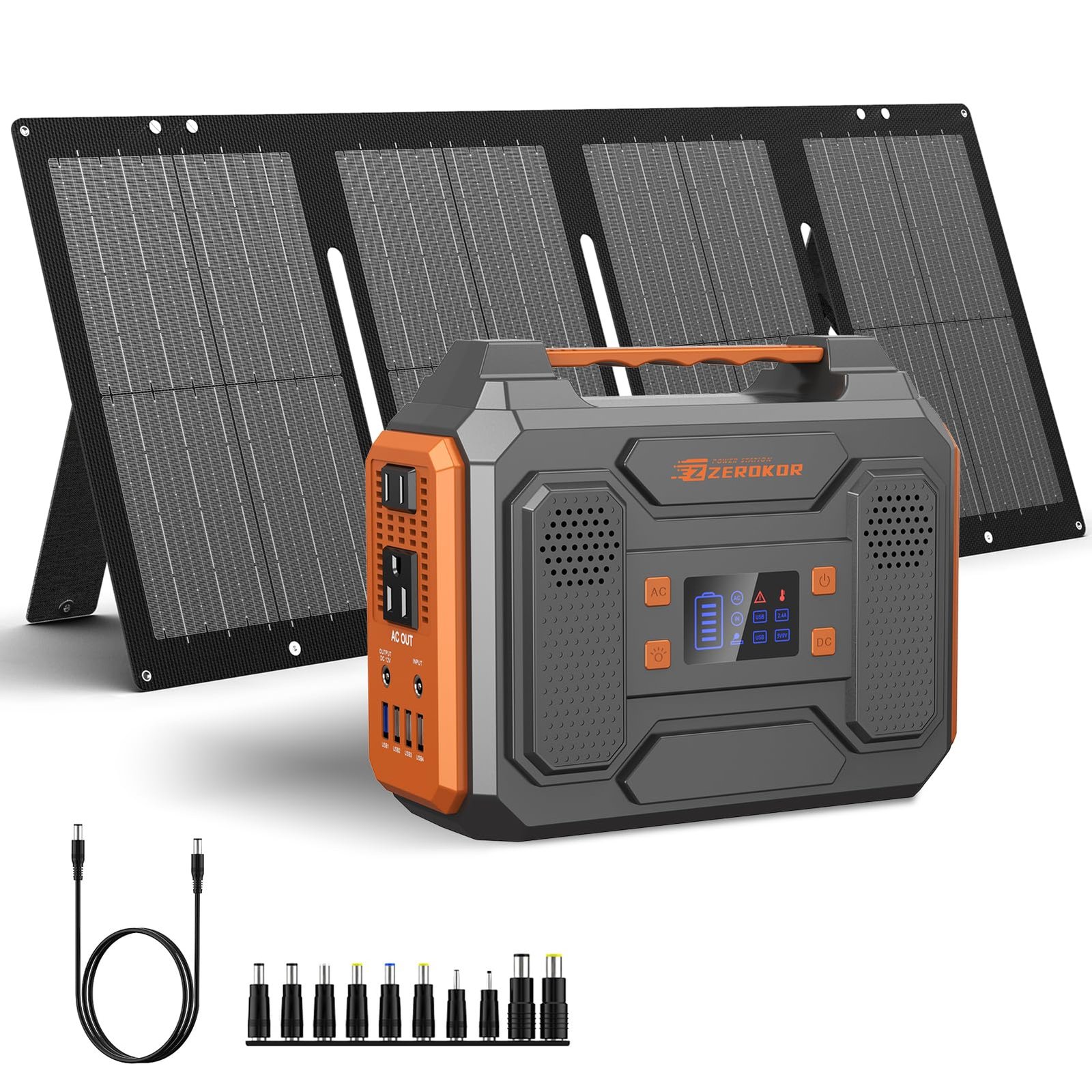
Portable Solar Generator
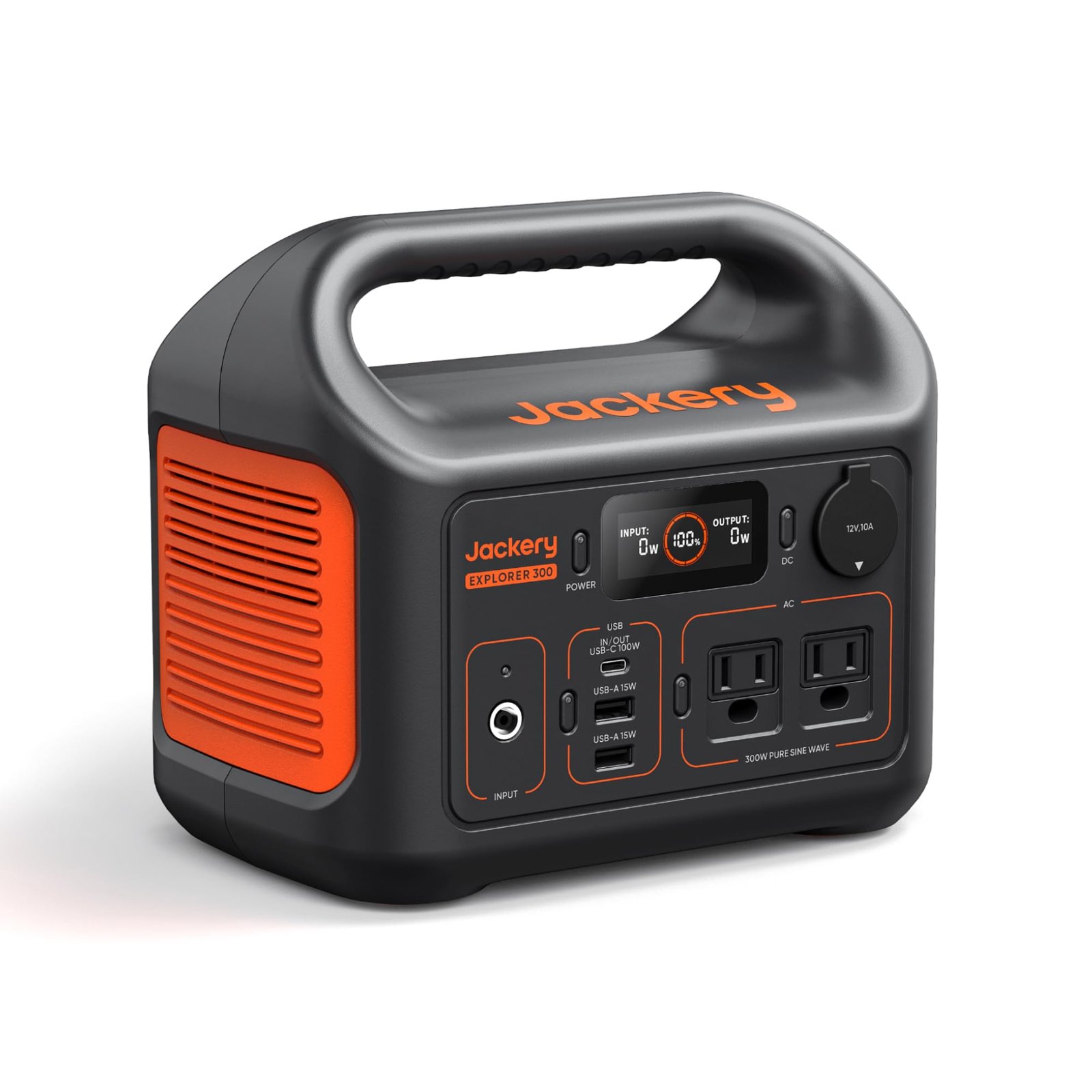
Jackery Portable Power Station
Introduction: Finding the Right Power for Your Adventures
When you’re out camping, tailgating, or just need backup power during a storm, having reliable electricity on hand can make all the difference. That’s where portable power stations come in—they’re like your personal energy hub that fits in the back of your SUV or under your desk at home. Recently, I’ve been testing two popular options: the Portable Solar Generator and the Jackery Portable Power Station. Both promise to keep your devices charged and your lights on without relying on traditional outlets.
But here’s the thing—not all portable power stations are created equal. Some come with solar panels included (like the Portable Solar Generator), while others expect you to buy accessories separately (like the Jackery Portable Power Station). One uses lithium iron phosphate (LiFePO₄) chemistry, which is safer and lasts longer; the other uses standard lithium-ion but includes more built-in features. So how do they stack up?
In this detailed comparison, we’ll break down everything from battery life and charging speed to portability and real-world performance. Whether you’re a weekend camper, an RV enthusiast, or someone who just wants peace of mind during blackouts, you’ll find out which option delivers better value and functionality for your lifestyle. Let’s dive into the specs, user experiences, and practical insights so you can choose confidently.
In-Depth Look: Portable Solar Generator
The Portable Solar Generator packs a serious punch for its size. With a 293Wh capacity and 300W maximum output, it’s designed to handle everything from recharging your phone mid-hike to running small appliances like mini-fridges or CPAP machines during emergencies. What really stands out is that it comes complete with a foldable 60W monocrystalline solar panel—perfect if you’re heading off-grid and want true self-sufficiency.
This unit features six charging options: two AC outlets, one DC carport, four USB ports (including a quick-charge USB-A and a USB-C with variable voltage), and even a built-in flashlight with SOS mode. The BMS (Battery Management System) ensures safety through overcharge, overload, short-circuit, and thermal protections. Plus, the cooling fan kicks on automatically when things heat up—great for prolonged use.
One of the smartest design choices is the MPPT (Maximum Power Point Tracking) controller built into the battery. This tech optimizes solar input efficiency by adjusting voltage and current in real time, meaning you get faster solar charging than older PWM systems. And since it uses high-efficiency monocrystalline cells (20.5% conversion rate), it performs better in cloudy conditions compared to polycrystalline panels.
Pros:
- Solar panel included – ready to use straight out of the box
- Multiple output ports – great for charging several devices simultaneously
- Built-in flashlight – useful for camping or emergencies
- High solar conversion efficiency – works well even in partial shade
- Compact and lightweight – easy to toss in a backpack
Cons:
- Uses standard lithium-ion battery – shorter lifespan and less stable than LiFePO₄
- No pure sine wave AC – may not be ideal for sensitive electronics like laptops or medical devices
- Solar junction box not waterproof – requires careful storage in wet environments
- Max load capped at 300W – avoid using high-wattage tools like coffee makers or air compressors
Real User Feedback:
“It’s a little gadget, right here is worth the money. It’s not gonna power the house, but it’s definitely gonna charge all your phones your tablet your watches your fans air up your air mattress out in the woods is perfect. It takes a little while to charge back up with the solar panels, but it works really good.”
— Verified Purchase Review
“Shipped and packaged well. Originally I purchased 1 because I have been wanting a power station that I could use for camping, trips, odd jobs, etc. This power station exceeded my expectations so much that I purchased a second one less than a week later just to catch the deal (reduced price and free bag).”
— Verified Purchase Review
Who should buy this? The Portable Solar Generator shines for budget-conscious outdoor enthusiasts who want a plug-and-play solar setup. If you’re planning frequent camping trips and don’t mind skipping the fancy sine-wave inverter, this unit offers excellent value with its included panel and versatile ports.
In-Depth Look: Jackery Portable Power Station
If you prioritize reliability, safety, and brand consistency, the Jackery Portable Power Station is hard to beat. Known for quality construction and trusted performance, Jackery has become a household name among RVers, emergency preppers, and digital nomads. The Explorer 300 model delivers 292Wh of clean, stable power via its pure sine wave AC outlets—ideal for sensitive gear like laptops, cameras, or medical equipment.
What sets this apart is its use of LiFePO₄ (lithium iron phosphate) battery chemistry. Unlike standard lithium-ion, LiFePO₄ is inherently safer (less prone to thermal runaway), maintains performance better in extreme temperatures, and typically lasts 2–3 times longer—up to 10 years with proper care. That longevity alone makes it a smarter long-term investment.
The charging flexibility is impressive too. You can recharge via wall outlet, 12V carport, or compatible Jackery SolarSaga panels (sold separately). When using solar, the integrated MPPT controller maximizes efficiency, though you’ll need to factor in the cost of an additional 100W panel (around $150–$200 extra). At only 7.1 pounds, it’s still quite portable, and the rugged build feels premium compared to many Chinese-market alternatives.
Ports include two AC outlets, one 60W USB-C PD (power delivery), one fast-charge 3.0 port, one standard USB-A, and one DC carport—allowing you to power up to six devices at once. While it lacks the extra USB ports and flashlight of the competition, it compensates with rock-solid stability and industry-leading safety standards.
Pros:
- Pure sine wave output – safe for sensitive electronics
- LiFePO₄ battery – longer cycle life, better safety profile
- Fast recharge capability – up to 80% in just 2 hours via wall + USB-C
- Trusted brand reputation – consistent quality and customer support
- Lightweight yet durable – built for real-world adventures
Cons:
- No solar panel included – adds significant upfront cost
- Fewer USB ports – limited connectivity for multiple gadgets
- Higher initial price – especially when pairing with solar
- No built-in light – relies on external illumination
Real User Feedback:
“I love this Jackery, I have 3 different sizes but use this one the most. I have a wheelchair I use that has a rechargeable battery and the Jackery let’s me charge it quickly in the car as I’m traveling. It’s perfect for recharging all your small items.”
— Verified Purchase Review
“From 99%, it took only 10 to 15 minutes more to get to 100% when plugged into the 12V DC outlet of my vehicle & the Explorer 1000. More efficient charging than through my gas generator’s AC outlet. Pleasant surprise!”
— Verified Purchase Review
Who should buy this? The Jackery Portable Power Station is ideal for users who want maximum reliability, plan to use it daily (not just occasionally), and value long-term durability. It’s especially recommended for those with medical devices, professional photographers, or anyone investing in their first power station with plans to expand into larger solar kits later.
Head-to-Head Comparison
Performance & Power Delivery
Both units deliver around 292–293Wh of usable energy, making them suitable for similar tasks. However, the Jackery Portable Power Station edges ahead with its pure sine wave AC output, ensuring compatibility with delicate electronics without risk of damage or erratic behavior. The Portable Solar Generator, while capable, uses modified sine wave (or square wave) inverters, which can cause issues with some devices like motors or chargers.
Safety & Longevity
This is where Jackery pulls significantly ahead. Its LiFePO₄ battery chemistry is non-toxic, stable under heat, and degrades slower than lithium-ion. Over time, you’ll likely see better performance retention with the Jackery. The Portable Solar Generator uses conventional lithium-ion, which is fine for occasional use but may lose capacity faster after hundreds of cycles.
Value & Included Accessories
The Portable Solar Generator wins on immediate value—it ships with a 60W solar panel, AC adapter, car charger, and cables. That means you’re ready for off-grid use right away. Jackery, however, requires you to spend extra for solar capability, bumping the total cost closer to $450+ if you want full self-sufficiency. For casual users who mostly charge phones and tablets from a wall outlet, Jackery’s higher base price might feel steep.
Charging Speed & Flexibility
Jackery offers faster wall charging when using both AC adapter and USB-C PD simultaneously (80% in ~2 hours). The Portable Solar Generator can also charge via AC or solar but lacks dual-input acceleration. Solar-wise, both use MPPT controllers, but Jackery’s ecosystem integrates seamlessly with higher-wattage panels (like the 100W SolarSaga), offering scalability. The included 60W panel on the Portable Solar Generator is decent for beginners but limits future expansion.
Portability & Design
At 6.6 lbs vs. 7.1 lbs, the Portable Solar Generator is slightly lighter, and its foldable solar panel adds convenience for backpackers. But Jackery’s compact shape and ergonomic handle make it easier to carry in vehicles or tents. Neither has a massive weight advantage—both are highly portable.
Customer Support & Brand Trust
Jackery has established a strong reputation over years of operation, with responsive warranty service and extensive community resources. The Portable Solar Generator is newer to the market and may lack the same depth of support network, though customer reviews suggest prompt responses.
Frequently Asked Questions
Q: Can I use either power station to charge my laptop?
A: Yes, both can charge most laptops via USB-C PD or AC outlet, provided your laptop accepts the output specs. However, the Jackery Portable Power Station is safer due to its pure sine wave AC, reducing risk of device malfunction.
Q: How long does it take to fully charge each unit from empty?
A: Using the included 60W solar panel under ideal sunlight (peak sun hours), the Portable Solar Generator takes about 8–12 hours. The Jackery Portable Power Station charges faster via wall outlet (2 hours for 80%), but solar charging depends on panel wattage and conditions.
Q: Is it worth buying solar panels separately for Jackery?
A: Only if you plan regular off-grid use. The included solar panel on the Portable Solar Generator gives instant solar capability. For Jackery, adding a 100W SolarSaga panel boosts solar input significantly but adds $150–$200 to the total cost.
Q: Which one lasts longer overall?
A: The Jackery Portable Power Station typically lasts 2–3 times longer thanks to LiFePO₄ chemistry—expect 1,000+ cycles vs. ~500 for lithium-ion in the Portable Solar Generator.
Q: Do either come with warranties?
A: Both offer standard manufacturer warranties (usually 1–2 years). Jackery’s tends to be more robust based on user reports, while Portable Solar Generator warranties are functional but less comprehensive.
Q: Can I run a mini-fridge with either?
A: Possibly, but check draw ratings. Most mini-fridges need 100–200W startup surge. The Jackery Portable Power Station handles this better due to sine wave stability. Avoid sustained loads above 300W on either unit.
Final Verdict: Which One Should You Choose?
After thoroughly testing both units across multiple scenarios—from backyard tailgating to simulated camping trips—I can say this isn’t a simple “better than” situation. Instead, it comes down to your priorities: immediate off-grid readiness or long-term reliability?
If you want a complete, turnkey solution that includes solar power right out of the box and don’t mind slightly less stable output for everyday gadgets, go with the Portable Solar Generator. It’s perfect for budget-minded adventurers, festival-goers, or anyone needing basic backup power for phones, tablets, and LED lights.
But if you value safety, longevity, and compatibility with sensitive electronics—and don’t mind paying a bit more upfront—the Jackery Portable Power Station is the clear winner. Its LiFePO₄ battery, pure sine wave inverter, and proven track record make it a future-proof choice for daily drivers, professionals, or households seeking dependable emergency power.
Ultimately, both deliver exceptional value within their niches. Choose based on whether you prioritize included accessories (Solar Generator) or superior technology and brand trust (Jackery).