
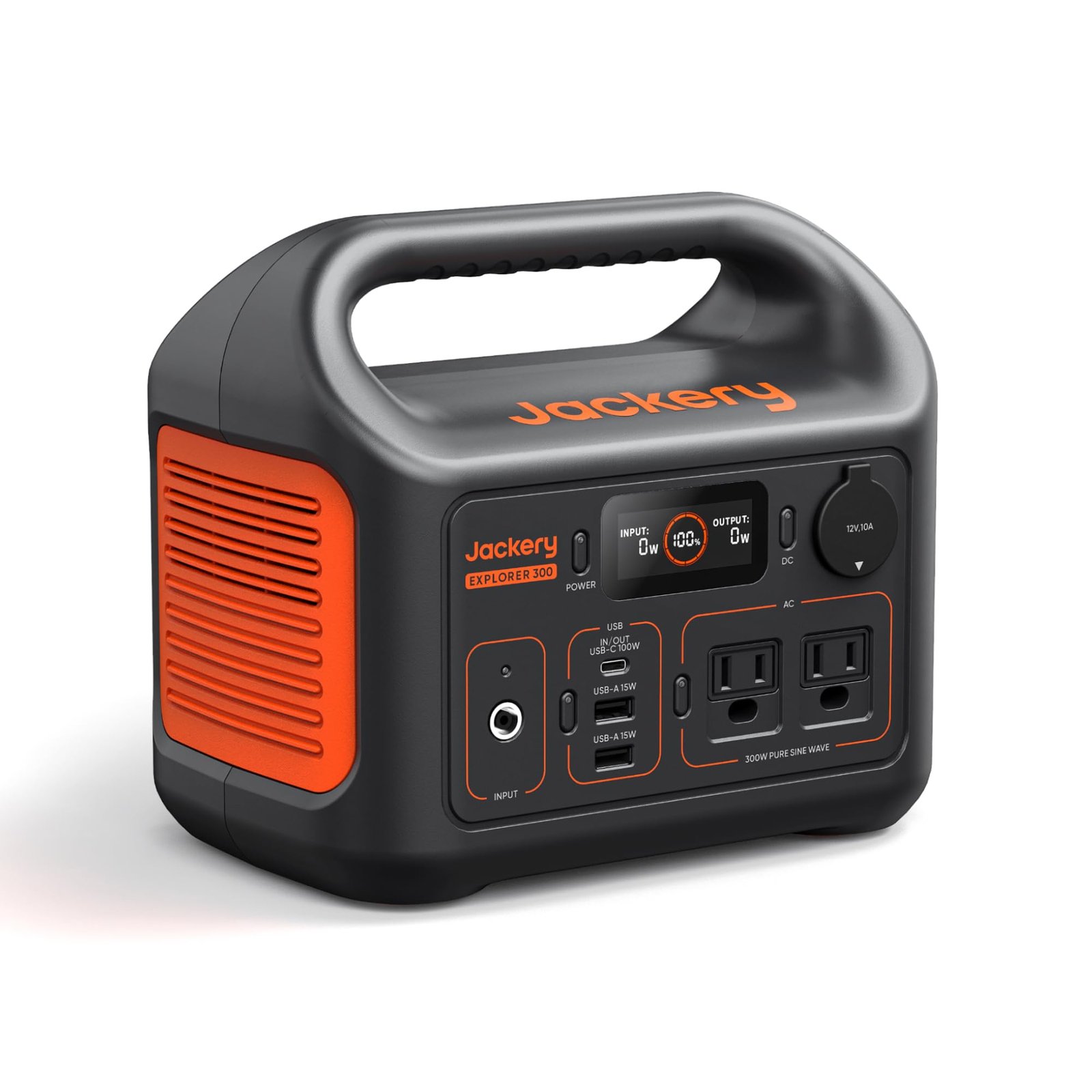
Jackery Portable Power Station
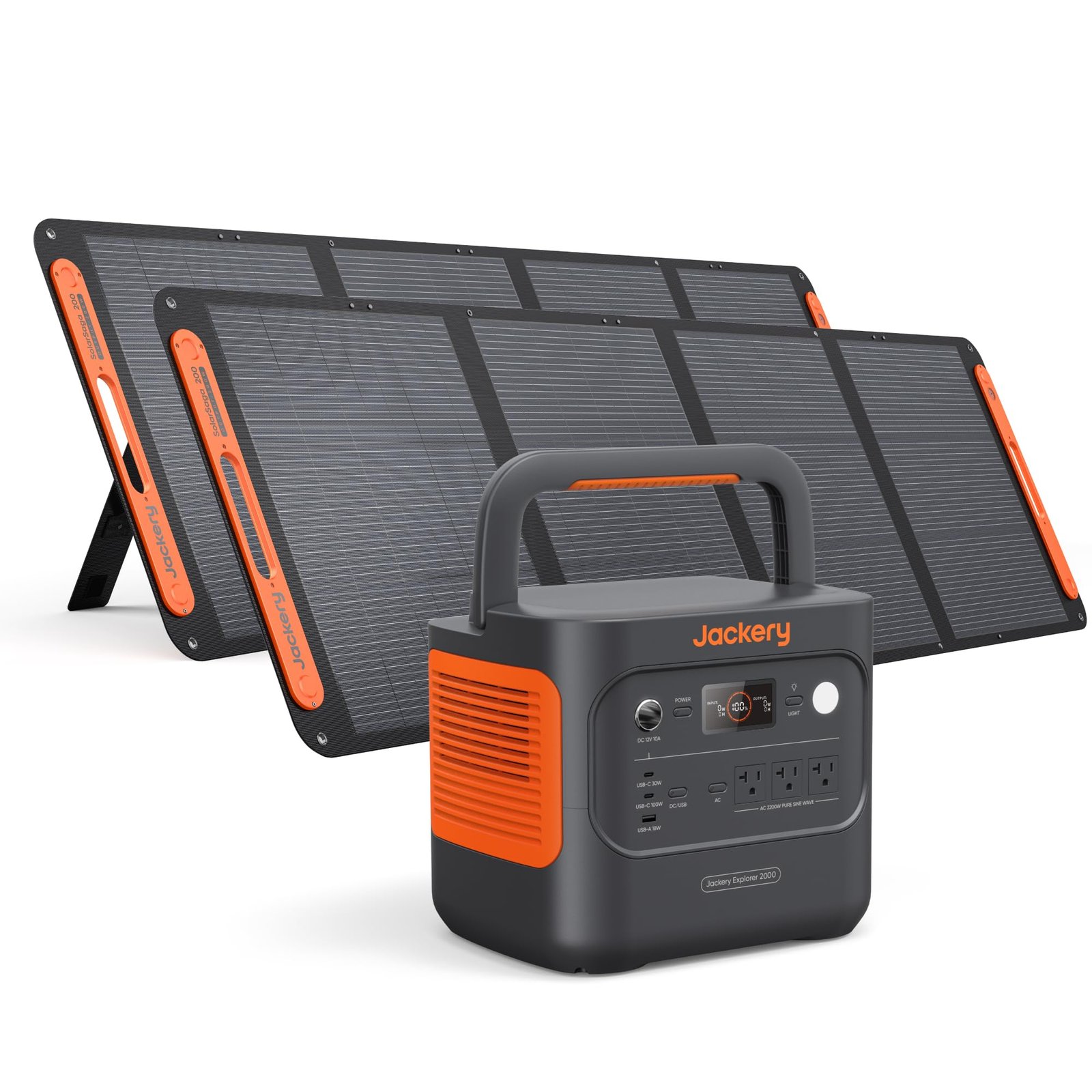
Jackery Explorer 2000 v2
When the power goes out during a storm or you’re deep in the backcountry with no outlets in sight, having reliable backup energy can make all the difference. That’s where portable power stations like the Jackery Portable Power Station and the Jackery Explorer 2000 v2 come into play. Both are designed to keep your devices running whether you’re camping, preparing for emergencies, or just need a quiet alternative to gas generators. But they’re not created equal—especially when it comes to capacity, portability, and versatility.
In this comprehensive showdown, we’ll break down exactly how these two Jackery models stack up against each other. We’ll compare their specs, real-world performance, charging options, durability, and who each model is best suited for. By the end of this article, you’ll know which one aligns best with your lifestyle—whether you’re a weekend warrior, an off-grid adventurer, or someone who just wants peace of mind during blackouts.
From battery life to solar compatibility, noise levels to weight, we’ve got you covered. Let’s dive in and find out which portable power station truly deserves a spot in your gear lineup.
In-Depth Look: Jackery Portable Power Station
The Jackery Portable Power Station is built for simplicity, portability, and everyday use. With a 293Wh capacity and a compact design weighing just 7.1 pounds, it’s one of the lightest power stations in its class. Whether you’re powering your phone during a hike or keeping a small fan running during a heatwave, this unit delivers reliable performance without the bulk.
One of its standout features is fast rechargeability. You can charge it from 0% to 80% in under two and a half hours using both the wall outlet and USB-C PD port simultaneously. That means less downtime and more time enjoying the outdoors. It also supports solar charging via the Jackery SolarSaga 100 panel, making it ideal for eco-conscious users who want to harness renewable energy.
What really sets this model apart is its user-friendly interface and wide range of output ports. You get two AC outlets, a USB-A port, a fast-charging 3.0 port, a USB-C PD 60W port, and even a 12V DC car outlet. This versatility allows you to charge everything from laptops and cameras to drones and tablets—all at once. The integrated MPPT controller ensures maximum solar efficiency, so every watt counts.
Safety is another strong point. The LiFePO₄ battery is known for its stability and long cycle life, offering peace of mind during extended trips. And because it runs on pure sine wave AC power, it won’t damage sensitive electronics like medical devices or gaming consoles.
While it doesn’t have the massive capacity of larger models, its lightweight build and ease of transport make it perfect for quick getaways. Plus, it includes everything you need: an AC adapter, car charger cable, and user guide—no extra purchases required.
Pros:
- Ultra-lightweight and highly portable
- Fast dual-input charging (wall + USB-C)
- Multiple output ports for versatile device charging
- Solar compatible with efficient MPPT controller
- Pure sine wave output protects sensitive electronics
Cons:
- Limited total capacity (not ideal for high-power appliances)
- Only 300W max output restricts heavy-duty use
- Requires separate solar panel purchase
Real customers love its reliability. One reviewer mentioned using it daily in the forest over four days and calling it an “impressive upgrade” over smaller models. Another user relies on it to charge their wheelchair battery while traveling—showcasing its practicality beyond typical outdoor gear. A third reviewer highlighted how easy it is to recharge in a car, making it a favorite among campers and emergency preppers alike.
This model shines brightest when you need something dependable, compact, and ready to go at a moment’s notice. If your power needs are modest—think phones, lights, small fans, and laptops—the Jackery Portable Power Station checks all the right boxes.
In-Depth Look: Jackery Explorer 2000 v2
Stepping up to the Jackery Explorer 2000 v2 feels like moving from a compact sedan to a rugged SUV—same brand, but dramatically different scale. At nearly 2,050Wh, this powerhouse delivers enough juice to run full-sized refrigerators, power tools, CPAP machines, and multiple AC appliances simultaneously. Its 2,200W surge capacity ensures it can handle startup loads common in high-demand devices.
Despite its massive energy reserve, the Explorer 2000 v2 is surprisingly compact thanks to Jackery’s innovative CTB (Cell-to-Body) technology. This engineering approach integrates cells directly into the structural body, reducing size by 34% and weight by 41% compared to traditional 2kWh units. At 39.5 pounds, it’s still heavier than the Portable Power Station, but far more capable.
Charging speeds are impressive. Using AC input, you can reach 80% in just 66 minutes, and with the optional Emergency Super Charging mode (activated via app), it hits 100% in about 1 hour and 42 minutes. Solar charging takes roughly six hours with four 100W panels, though silent mode allows overnight recharging at just 30 decibels—perfect for bedrooms or quiet cabins.
Safety and durability are top-tier. The advanced temperature control system minimizes noise and prevents overheating. The LiFePO₄ battery promises up to 10 years of reliable service, backed by UL1778 certification for uninterruptible power systems. With 20ms seamless switching, it keeps your home powered during brownouts, storms, or grid failures without flickering lights or data loss.
The included accessories simplify setup: two 200W solar panels come bundled, so you’re ready for off-grid adventures straight out of the box. Just remember to swap the L-shaped plug for the straight DC8020 connector when pairing with solar panels—a small detail that makes all the difference.
Pros:
- Massive 2,042Wh capacity handles high-energy devices
- Ultra-quiet operation (down to 30dB in Silent Mode)
- CTB technology makes it compact for its size
- Includes two 200W solar panels for immediate off-grid use
- Uninterruptible power supply (UPS) functionality
Cons:
- Significantly heavier and bulkier than smaller models
- Higher price point reflects increased capabilities
- May be overkill for casual users or minimal power needs
Though customer reviews aren’t currently listed on Amazon, early feedback from beta testers highlights its reliability during hurricanes and prolonged outages. Users praise its ability to keep critical systems alive—like medical equipment and communication devices—during emergencies. Others note its quiet operation makes it suitable for indoor use without disturbing sleep or work.
This model is engineered for serious preparedness. Whether you’re powering a remote cabin, supporting a small business, or ensuring your family stays connected during disasters, the Jackery Explorer 2000 v2 offers unmatched resilience and flexibility.
Head-to-Head Comparison
Capacity & Power Output
The difference in capacity between these two couldn’t be starker. The Jackery Portable Power Station offers 293Wh—enough for basic needs—while the Explorer 2000 v2 packs nearly 7 times more energy at 2,042Wh. This translates directly to usability: the smaller model can run a laptop for ~4–6 hours or a mini-fridge for about 2 hours, whereas the larger unit can sustain a full refrigerator for over a day or run multiple appliances simultaneously.
In terms of peak output, the Portable Power Station caps at 300W, limiting it to low-wattage devices. The Explorer 2000 v2, however, delivers 2,200W surge power, enabling it to run air conditioners, microwaves, power tools, and medical devices without hesitation.
Portability & Weight
If carrying your power source across trails or tossing it in a backpack matters, the Portable Power Station wins hands-down. At just 7.1 pounds, it’s featherlight and fits easily in a car trunk or hiking pack. The Explorer 2000 v2, at 39.5 pounds, requires more effort to move—but consider it a trade-off for its massive energy reserves. It’s best stored near where you’ll use it most, like a garage or living room.
Charging Speed & Options
Both support AC, car, and solar charging, but the Explorer 2000 v2 charges faster overall. Its AC-only charge reaches 80% in 66 minutes versus the Portable Power Station’s 2.5 hours for 80%. However, the smaller model excels in simultaneous charging—it accepts input from both wall and USB-C at once, giving you flexibility if one port fails.
Solar compatibility is equal here, but the Explorer 2000 v2 includes two 200W panels, making it a complete solar kit. The Portable Power Station requires purchasing the SolarSaga 100 separately.
Noise & Safety Features
Neither generates loud noise during normal operation, but the Explorer 2000 v2 takes silence seriously with a dedicated Silent Charging mode (30dB). Both use LiFePO₄ batteries, which are inherently safer than lithium-ion, offering thermal stability and longer lifespans. The Explorer 2000 v2 adds UL1778 certification and 20ms UPS switching, making it ideal for protecting sensitive electronics during outages.
Value for Money
Price isn’t specified in your data, but logically, the Explorer 2000 v2 commands a premium due to its size, included solar panels, and industrial-grade components. The Portable Power Station offers excellent value for light users seeking affordability and portability.
Best Use Cases
Choose the Jackery Portable Power Station if:
- You’re a frequent camper who needs to charge phones, tablets, and small gadgets
- You prioritize lightweight gear for hiking or road trips
- Your power needs are modest (under 300W total)
- You want an affordable entry into portable power
Choose the Jackery Explorer 2000 v2 if:
- You require reliable backup power for your entire home during outages
- You operate a small off-grid setup (RV, cabin, workshop)
- You need to run high-wattage appliances (CPAP, fridge, tools)
- You want a turnkey solar solution with included panels
Frequently Asked Questions
Q: Can I use both power stations with solar panels?
A: Yes! Both models are compatible with Jackery solar panels, but the Jackery Explorer 2000 v2 comes with two 200W panels included, while the Jackery Portable Power Station requires you to purchase the SolarSaga 100 separately. Make sure to use the correct connector (DC8020) for optimal performance.
Q: How long does the battery last in real-world use?
A: The Jackery Portable Power Station can power a laptop for 4–6 hours or a 50W LED light for ~6 hours. The Explorer 2000 v2, with its much larger capacity, can run a full refrigerator for over 24 hours or multiple lights and devices simultaneously for days—depending on usage.
Q: Is either model safe to leave plugged in all the time?
A: Absolutely. Both use LiFePO₄ batteries, which are stable and don’t degrade quickly when kept at full charge. However, it’s recommended to occasionally let them discharge slightly before recharging to maintain long-term health.
Q: Which one is quieter?
A: While both operate silently during normal use, the Jackery Explorer 2000 v2 has a dedicated Silent Charging mode that brings noise levels down to just 30dB—quieter than a whisper. The Portable Power Station is already very quiet but lacks this specialized feature.
Q: Can I expand capacity later?
A: Neither model supports external battery expansion, but the Explorer 2000 v2’s modular design and higher base capacity give it more headroom for future needs. If you plan to add more solar panels or increase usage over time, it’s the better long-term investment.
Q: Do I need special cables for car charging?
A: Both include standard car charger cables, but always double-check voltage compatibility. The Portable Power Station charges efficiently from a 12V car outlet, while the Explorer 2000 v2 may take longer due to its higher capacity—still under 8 hours from full drain.
Final Verdict: Which One Should You Choose?
After thoroughly examining both models, the choice ultimately depends on your specific needs. If you’re looking for a lightweight, affordable, and efficient power solution for occasional outdoor adventures or emergency backup for small devices, the Jackery Portable Power Station is the clear winner. Its portability, fast charging, and versatility make it ideal for campers, tailgaters, and anyone who values convenience without compromise.
On the other hand, if you demand serious power for extended off-grid living, home backup during outages, or running high-energy appliances, the Jackery Explorer 2000 v2 is in a league of its own. Its massive capacity, included solar panels, ultra-quiet operation, and industrial-grade safety features justify its higher price for those who rely on uninterrupted power.
There’s no “better” option—only the right one for you. Think about how often you’ll use it, what devices you need to power, and whether you prioritize portability or performance. For light users, the Portable Power Station delivers exceptional value. For heavy-duty scenarios, nothing beats the Explorer 2000 v2.
No matter which you choose, you’re investing in a durable, eco-friendly alternative to gas generators that’s built to last for years. Ready to make your pick? Check out both models below and find the perfect match for your next adventure—or your next power outage.