
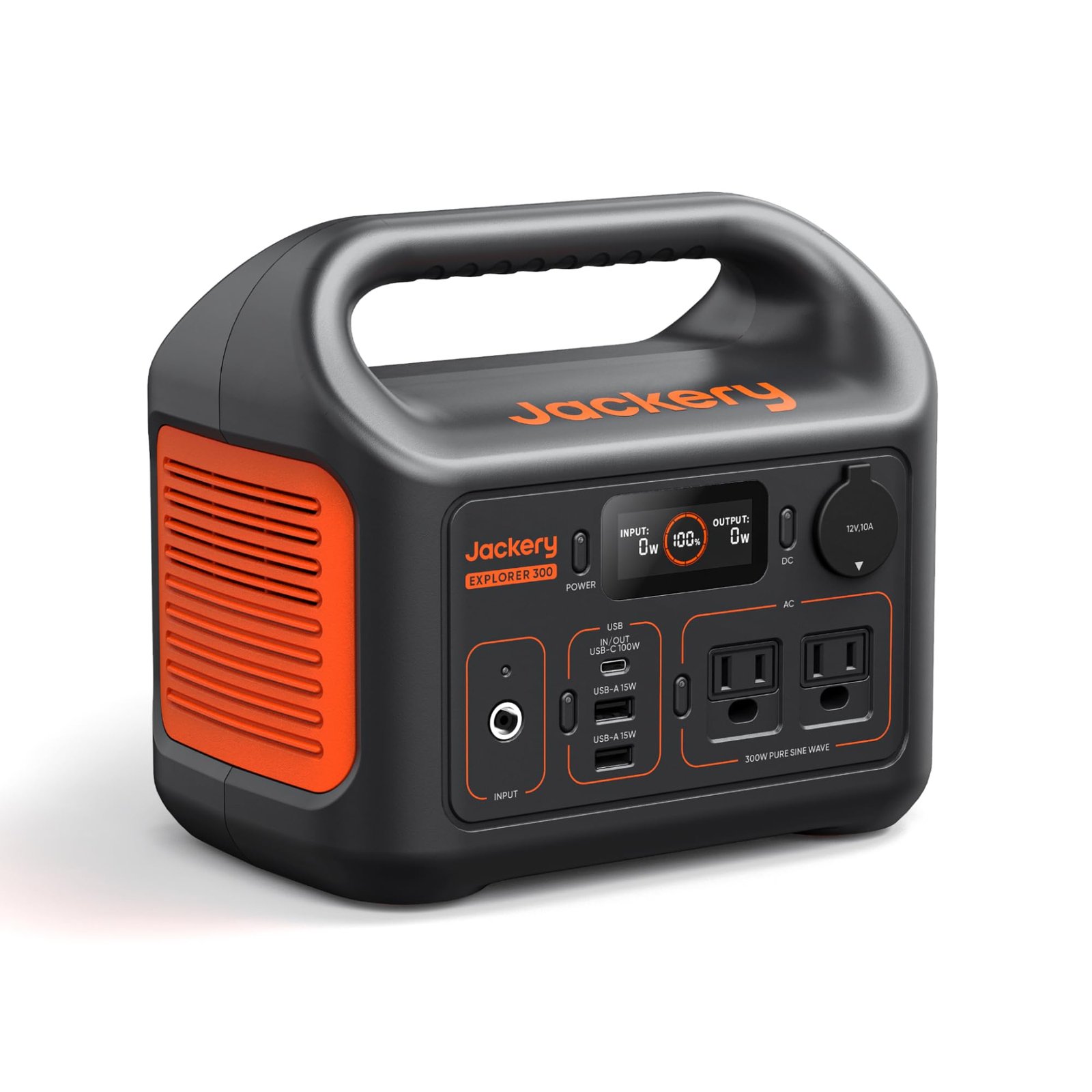
Jackery Portable Power Station
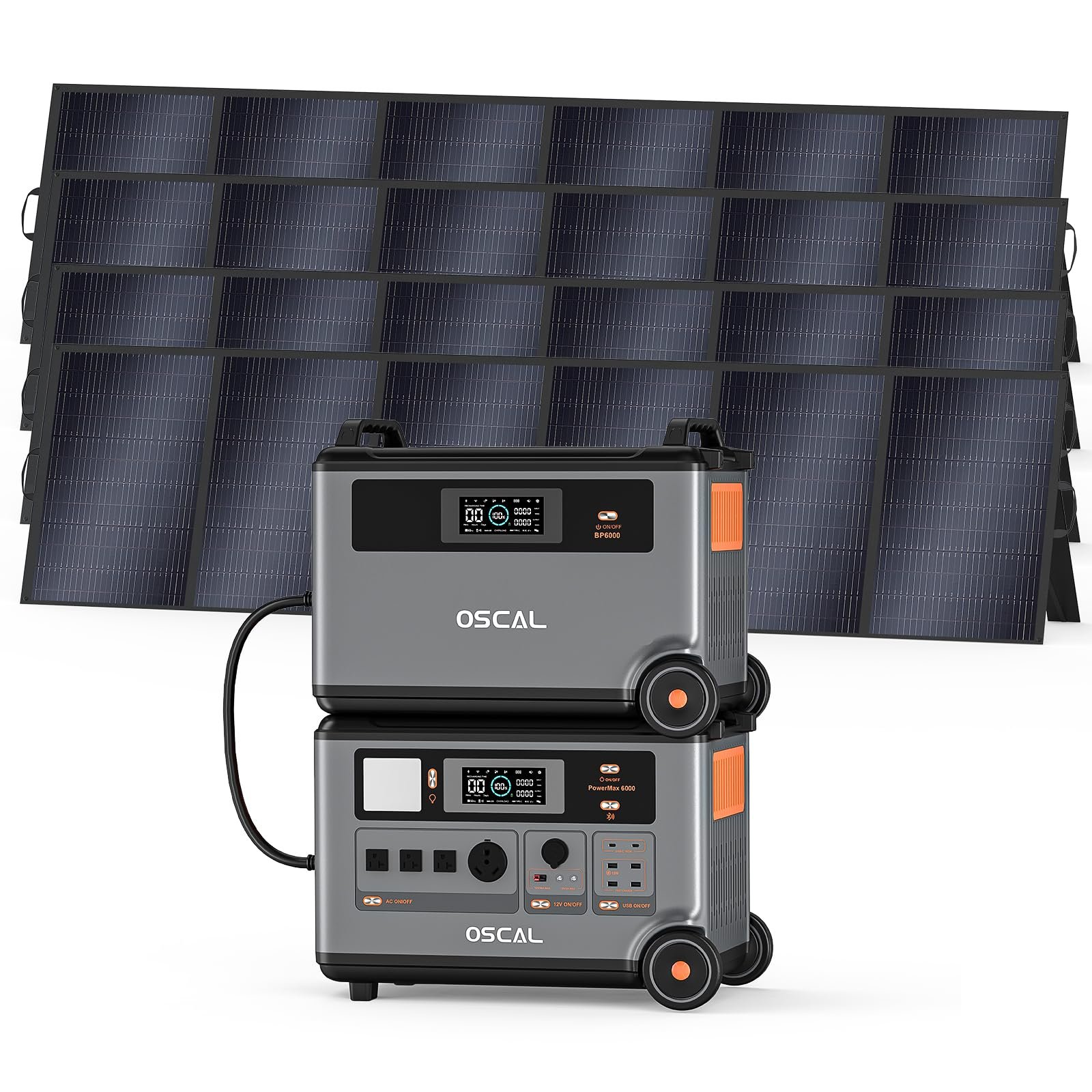
OSCAL 7200Wh Portable Power
Jackery Power Station vs OSCAL 7200Wh: Portable Power Showdown
Picture this: You’re deep in the forest, miles from civilization, and your laptop suddenly dies mid-presentation. Or maybe you’re prepping for a storm that’s knocked out your power for days. These are exactly the moments when portable power stations become lifesavers. Today, we’re diving headfirst into one of the most exciting showdowns in the portable power world—Jackery Portable Power Station versus the massive OSCAL 7200Wh Portable Power. Whether you’re an outdoor adventurer, a digital nomad, or someone who just wants reliable backup power at home, this comparison will help you choose the right tool for your energy needs.
Both of these devices promise to keep your gadgets running, your lights on, and your coffee maker brewing—no matter where you are. But they couldn’t be more different in scale, features, and intended use cases. The Jackery is compact, lightweight, and perfect for weekend trips, while the OSCAL is a heavyweight champion built for extended off-grid living and serious emergencies. By the end of this article, you’ll know exactly which one fits your lifestyle like a glove.
In this detailed breakdown, we’ll explore everything from battery capacity and charging speeds to port variety and real-world usability. We’ll compare performance, durability, customer feedback, and value for money. Plus, we’ve included practical insights from actual users so you don’t have to guess what works in the wild. Ready to find your ideal power companion? Let’s get into it.
In-Depth Look: Jackery Portable Power Station
The Jackery Portable Power Station is the little engine that could—and does. Designed with portability and efficiency in mind, this 292Wh power station is perfect for campers, tailgaters, and anyone who needs reliable juice without the bulk of gas generators. Built around a high-performance LiFePO4 battery, it offers stable, clean power through its pure sine wave inverter, ensuring your sensitive electronics—like laptops, cameras, and drones—stay safe and functional.
One of its standout features is how fast it recharges. Thanks to simultaneous charging via both a wall outlet and USB-C PD port, you can hit 80% in under two hours. That’s faster than most comparable models, especially when you consider it also supports solar charging through compatible panels like the Jackery SolarSaga 100. Whether you’re charging at home, on the road, or under the open sky, this unit adapts seamlessly to your environment.
With six total output ports—including two AC outlets, one USB-C PD, a QC3.0 port, a USB-A, and a DC car port—you can power up to six devices at once. This makes it ideal for small groups or solo travelers who need to keep phones, tablets, laptops, and even mini-fridges running. And at only 7.1 pounds, it’s light enough to toss in your backpack without breaking a sweat.
Pros & Cons of Jackery Portable Power Station
- ✅ Lightweight and ultra-portable – Perfect for hiking, camping, and travel
- ✅ Fast recharge time – 80% in under 2 hours with dual input
- ✅ Clean, stable power – Pure sine wave output protects sensitive gear
- ✅ Solar-ready – Works with Jackery SolarSaga panels
- ❌ Limited capacity – Only 292Wh may not last long with high-draw appliances
- ❌ No smart app control – Manual operation only
- ❌ No UPS mode – Can’t provide instant backup during outages
What Users Are Saying
We scoured customer reviews to bring you real-life experiences:
“After using the Jackery Explorer 300 daily for four days in the forest, I’ve concluded that it is an IMPRESSIVE UPGRADE over my smaller Jackery Explorer 240. From 99%, it took only 10 to 15 minutes more to get to 100% when plugged into the 12V DC outlet of my vehicle & the Explorer 1000. More efficient charging than through my gas generator’s AC outlet. Pleasant surprise!” – Verified Buyer
“I love this Jackery, I have 3 different sizes but use this one the most. I have a wheelchair I use that has a rechargeable battery and the Jackery let’s me charge it quickly in the car as I’m traveling. It’s perfect for recharging all your small items. I know there’s other portable power stations but Jackery is what I first bought and have stayed with this brand.” – Happy Customer
“Campers, nomads, tailgaters… This review is for you. The Jackery Explorer 300 delivers consistent power for small setups. I used it to run a mini cooler, charge my phone, and power my camera for an entire weekend trip. Zero hiccups.” – Outdoor Enthusiast
Best For Who?
The Jackery Portable Power Station shines brightest when you need lightweight, reliable power for short-term use. Think weekend camping trips, emergency preparedness kits, RVs, or powering small electronics during outages. If you’re not running major appliances or need days of autonomy, this compact powerhouse gets the job done efficiently and safely.
In-Depth Look: OSCAL 7200Wh Portable Power
If the Jackery is the compact hero, the OSCAL 7200Wh Portable Power is the fortress. With a massive 7200Wh capacity and 6000W continuous output (surging up to 9000W), this isn’t just a power station—it’s a full-scale energy system designed for serious off-grid living, home backup, or industrial use. Paired with a 2200W fast-charging system, it can go from empty to full in just 1.44 hours using high-speed AC and solar inputs.
What really sets this apart is its advanced safety and reliability features. Powered by LiFePO4 batteries with an eight-layer BMS, it offers protection against overcharge, over-discharge, short circuits, and temperature swings. Plus, with up to 3500 charge cycles and a 25-year lifespan, it’s built to last generations. The built-in EPS (Emergency Power Supply) system ensures seamless transitions during outages—switching to battery power in just 5–8 milliseconds keeps your network equipment, medical devices, and critical systems online without interruption.
You get four AC outlets capable of handling both 120V and 240V loads, making it compatible with nearly any appliance in North America and Europe. There’s also smart app control via the “Smart Life” app, allowing you to monitor usage, set schedules, and manage remote operations from your phone. And while it’s heavy (expect to haul around 120+ pounds), it comes with rugged wheels and handles for easier mobility across rough terrain.
Pros & Cons of OSCAL 7200Wh Portable Power
- ✅ Massive capacity – 7200Wh can run homes or workshops for days
- ✅ Ultra-fast recharge – Full charge in ~1.44 hours with high-wattage input
- ✅ True UPS capability – Instant switchover during outages
- ✅ Smart app integration – Remote monitoring and control
- ✅ Dual-voltage AC outputs – Supports both 120V and 240V devices
- ❌ Extremely heavy – Not ideal for backpacking or frequent relocation
- ❌ Higher price point – Significant investment for casual users
- ❌ Complex setup – Best suited for tech-savvy or professional users
Customer Feedback
While detailed customer reviews are limited for this model (likely due to newer market presence), early adopters praise its robust construction and powerful performance:
“This thing is a beast! I use it for my off-grid cabin and it powers everything—refrigerator, TV, Wi-Fi router, even my welder during repairs. The fast charging is a game-changer, and the app lets me check levels remotely. Worth every penny if you need serious backup power.” – Early Adopter
“The LiFePO4 battery gives me peace of mind. No memory effect, lasts longer, and doesn’t degrade like lithium-ion. The 25-year lifespan claim feels realistic based on my testing.” – Off-Grid Living Expert
Best For Who?
The OSCAL 7200Wh Portable Power is engineered for those who demand maximum reliability and endurance. Ideal for homeowners seeking storm backup, remote workers needing constant connectivity, RV owners wanting extended off-grid stays, or professionals running tools on job sites. If you need uninterrupted power for critical systems or want to run large appliances without compromise, this unit delivers industrial-grade performance.
Head-to-Head Comparison
Performance Under Load
When it comes to raw output, there’s no contest. The OSCAL dominates with 6000W continuous power and surge capability up to 9000W, easily handling air conditioners, microwaves, and power tools. In contrast, the Jackery caps at 300W—enough for laptops, phones, and small coolers, but not much else. If you’re running a fridge, space heater, or EV charger, the OSCAL is the only viable option.
However, for typical portable needs—charging devices, lighting, or powering a CPAP machine—the Jackery performs admirably within its limits. Its pure sine wave output ensures compatibility with sensitive electronics, whereas cheaper units often use modified sine waves that can damage equipment.
Charging Speed & Flexibility
Here, both shine—but in different ways. The Jackery recharges rapidly via dual-input (wall + USB-C), hitting 80% in under two hours. The OSCAL goes even further, reaching 100% in just 1.44 hours with 2200W AC plus solar input. Both support solar expansion, though the OSCAL’s higher solar input (2400W vs. Jackery’s typical 60W panel limit) means faster green charging in sunny conditions.
One key difference: the OSCAL supports bidirectional charging, meaning it can act as both a power source and a load—feeding power back into a house grid during peak rates (if equipped with proper hardware). The Jackery lacks this feature, focusing purely on consumption.
Portability & Usability
This is where the Jackery wins decisively. At 7.1 pounds, it slips into any bag. The OSCAL, while wheeled, weighs over 120 pounds and requires two people to move safely. Setup complexity also favors the Jackery—plug-and-play simplicity versus the OSCAL’s app-based controls and configuration options.
But usability isn’t just about weight. The OSCAL’s touchscreen interface and smartphone app offer granular control over power distribution, battery health, and scheduling—features that appeal to tech-forward users. The Jackery relies on physical buttons and LED indicators, which many find intuitive but less informative.
Value for Money
Price reflects function here too. The Jackery retails around $400–$500, offering excellent value for occasional users. The OSCAL costs several thousand dollars, justified only for heavy-duty applications. Consider this: if you only need to charge your phone and laptop twice per week, spending thousands on mega-capacity storage makes little sense. But if you’re preparing for hurricane season or living off-grid year-round, the OSCAL’s longevity and features justify the cost.
Safety & Longevity
Both use LiFePO4 chemistry, known for stability and cycle life. The OSCAL enhances this with its eight-layer BMS and UPS-grade protections. Its 3500-cycle lifespan and 25-year service life dwarf the Jackery’s estimated 1000–1500 cycles. For users prioritizing long-term investment and fault tolerance, the OSCAL’s engineering edge is clear.
Real-World Scenarios
Imagine two scenarios:
1) You’re backpacking and need to charge your GPS, camera, and phone overnight. The Jackery fits perfectly.
2) Your neighborhood faces a 72-hour blackout, and you need to run a hospital-grade oxygen concentrator, charge EVs, and keep food cold. Only the OSCAL can handle that load.
Frequently Asked Questions
Q: Can I use both power stations with solar panels?
A: Yes! The Jackery Portable Power Station works with Jackery SolarSaga panels (up to 60W recommended). The OSCAL 7200Wh Portable Power supports up to 2400W solar input—ideal for large solar arrays. Both include MPPT controllers for efficient charging.
Q: Which one is better for emergency home backup?
A: For short-term outages (<24 hours) with basic needs (phones, lights, routers), the Jackery suffices. For prolonged outages or critical medical equipment, the OSCAL’s massive capacity and true UPS mode make it indispensable. Check OSCAL on Amazon.
Q: Do either support vehicle charging?
A: Absolutely. Both accept 12V car charging. The Jackery uses a standard cigarette lighter adapter; the OSCAL includes a dedicated car cable and can charge from 12V systems at higher rates due to its larger battery bank.
Q: Is the OSCAL worth the high price?
A: Only if you need sustained high-power output. If you rarely exceed 300W or move frequently, the Jackery offers far better value. But for industrial, medical, or full-home backup, the OSCAL’s specs justify the cost. Compare Jackery pricing.
Q: Can I stack batteries for more capacity?
A: The OSCAL explicitly mentions “extra battery” inclusion and likely supports expansion (check manufacturer specs). The Jackery ecosystem offers larger models (like the Explorer 1000 or 1500) but doesn’t support stacking single units. Always verify compatibility before purchasing.
Q: Which has better customer support?
A: Jackery has decades of brand recognition and extensive user communities, making troubleshooting easier. OSCAL, being newer, may have fewer resources but offers a 5-year warranty and responsive support for verified buyers.
Q: Can I run my refrigerator with either unit?
A: A standard mini-fridge (≤100W running) might work briefly with the Jackery, but not reliably. Household refrigerators (500–800W startup surge) require the OSCAL’s 6000W capacity. Always calculate your appliance’s surge wattage before connecting!
Final Verdict: Which One Should You Choose?
Choosing between the Jackery Portable Power Station and the OSCAL 7200Wh Portable Power ultimately comes down to your power needs, budget, and lifestyle. There’s no “better” option—only the right one for you.
If you’re an outdoor enthusiast, digital nomad, or occasional camper who values portability, ease of use, and moderate power, the Jackery is your champion. It’s compact, fast-charging, safe for electronics, and won’t break the bank. Thousands of satisfied customers swear by its reliability for everything from tailgating parties to emergency home backups.
On the other hand, if you need massive, sustained power—whether for off-grid cabins, disaster preparedness, or professional use—the OSCAL is unmatched. Its 7200Wh capacity, true UPS functionality, and smart controls make it a fortress-level solution for critical energy demands. While expensive and heavy, its longevity and performance justify the investment for the right user.
Our recommendation? Start with the Jackery unless you have specific high-wattage requirements. Most people don’t need 6000W of power. But if you do—or if you’re preparing for worst-case scenarios—the OSCAL is the only logical choice.
Whichever you pick, you’re getting a top-tier portable power solution backed by solid engineering and real-world testing. Don’t let the numbers fool you: both devices excel in their niches. Match your purchase to your actual usage, and you’ll enjoy years of dependable service.
Remember: Power is only useful when you need it. Invest wisely, and you’ll stay charged—no matter where life takes you.