
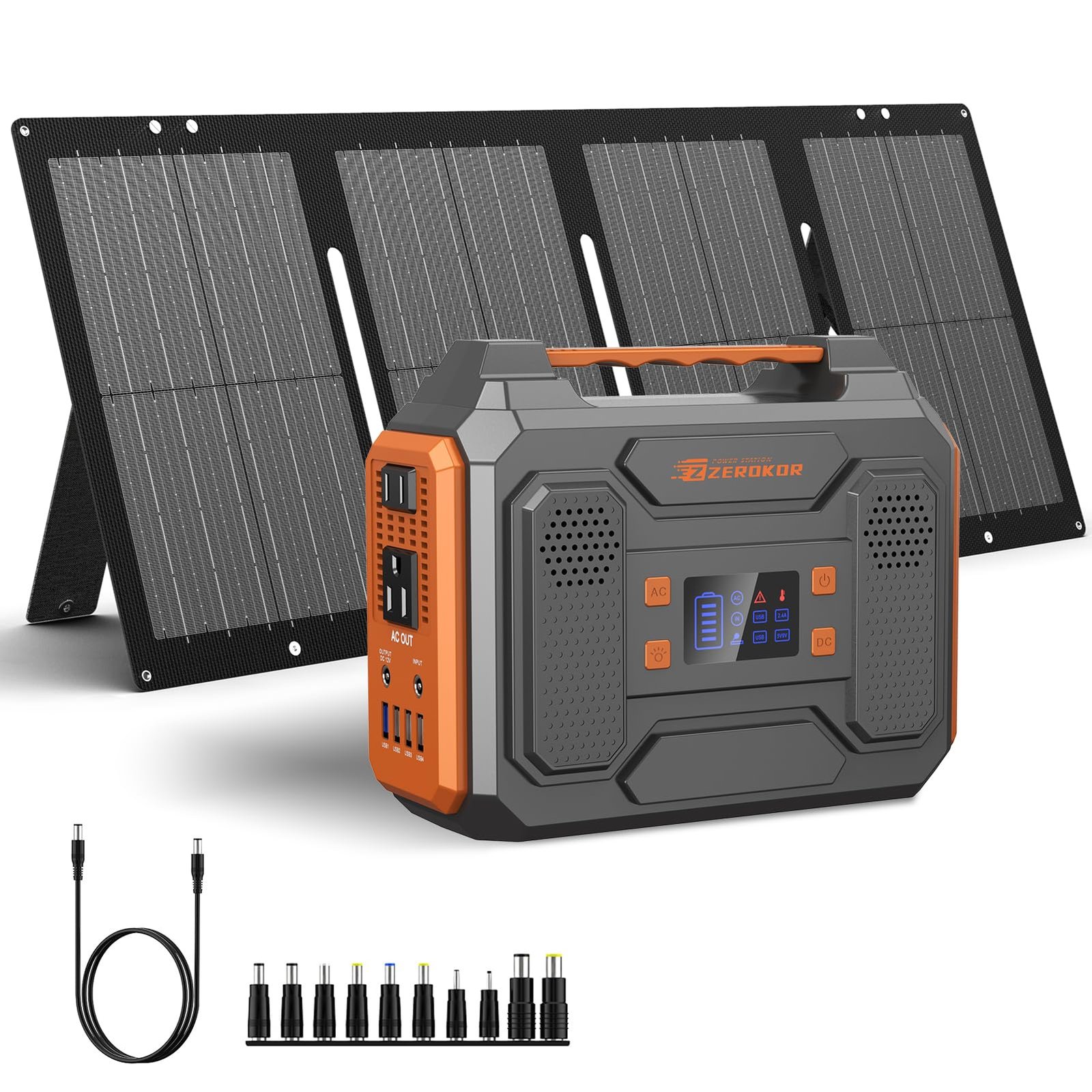
Portable Solar Generator
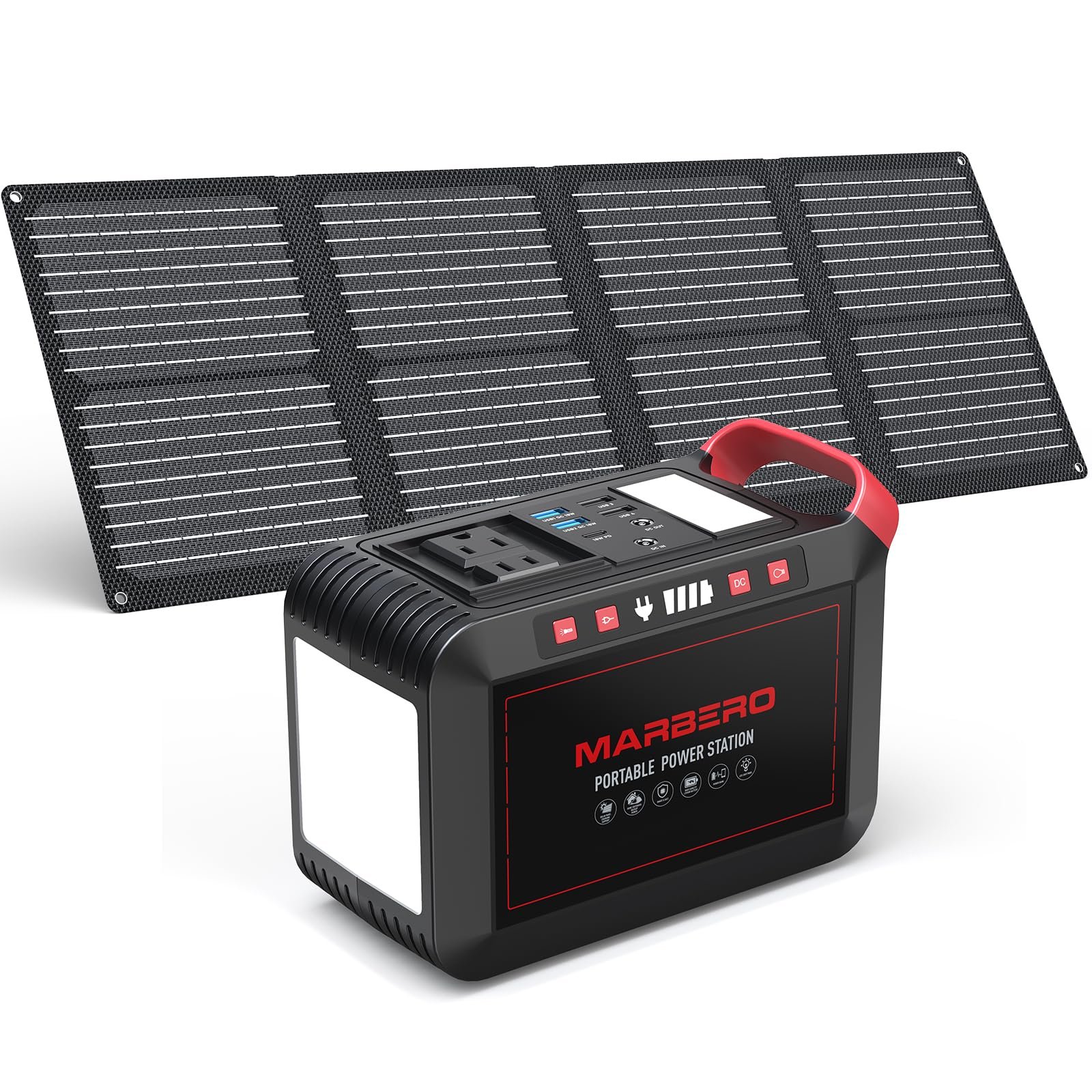
MARBERO 237Wh Solar Generator
When the great outdoors calls or a power outage hits unexpectedly, having reliable energy at your fingertips can make all the difference. That’s where portable solar generators come in—compact, eco-friendly power sources that let you stay connected and comfortable without relying on traditional outlets. In this detailed comparison, we’re diving into two popular options: the Portable Solar Generator (ZeroKor 300W) and the MARBERO 237Wh Solar Generator. Both claim to deliver clean, renewable energy for camping trips, emergency backup, and off-grid adventures—but which one truly delivers?
Whether you’re an avid camper, a prepper, or just someone who values sustainable energy solutions, understanding how these units stack up in performance, usability, and value is essential. We’ll break down their specs, real-world use cases, pros and cons, customer feedback, and even answer common questions so you can make a confident choice. By the end of this article, you’ll know exactly which solar generator fits your lifestyle best.
Quick Comparison Table
In-Depth Look: Portable Solar Generator
The Portable Solar Generator, also known as the ZeroKor 300W unit, is designed for those who need reliable power on the go without sacrificing portability or versatility. With a robust 300Wh capacity, it’s more than capable of handling everyday devices like smartphones, tablets, laptops, and even small camping gear such as mini fans or LED lights. What really stands out is its inclusion of a built-in 60W monocrystalline solar panel—one of the highest-efficiency panels available today, boasting a 20.5% conversion rate. This means even in less-than-optimal light conditions, it still performs admirably compared to older polycrystalline models.
One of the key strengths of this generator is its multi-output charging system. It features two AC outlets rated at 300W max each, making it suitable for running low-wattage appliances like CPAP machines, routers, or compact blenders during short-term outages. The USB ports are equally impressive: three standard USB-A ports, one USB-C with Power Delivery support, and an additional quick-charge port that supports both 5V/3A and 9V/2A outputs. There’s also a dedicated DC port for car charging or connecting external panels. All of this comes wrapped in a sleek, foldable design that makes it easy to pack into a tent or backpack.
Safety is another area where the Portable Solar Generator shines. It includes a comprehensive Battery Management System (BMS) that protects against short circuits, over-current, over-voltage, overload, and overheating. A smart cooling fan kicks in automatically when internal temperatures rise, ensuring stable operation under load. Users also appreciate the integrated SOS flashlight mode, which can signal for help in emergencies—a thoughtful touch for remote adventurers.
Customer reviews consistently highlight its reliability and ease of use. One user noted, “It’s not gonna power the house, but it’s definitely gonna charge all your phones, your tablet, your watches, your fans—air up your air mattress out in the woods is perfect.” Another praised its performance during drone racing events, stating, “I use it to charge for drone racing and car racing. Five chargers running for five hours consistently and has no problem whatsoever.” While some mention that solar recharging takes longer than wall charging, most agree the trade-off is worth it for the freedom it offers.
However, there are a few caveats. The junction box on the solar panel isn’t waterproof, so users must keep it dry—something to consider if you’re hiking in rainy climates. Also, while the unit avoids using devices over 300W (which could damage it), this limitation means it’s not ideal for high-draw tools like hair dryers or water pumps. Finally, the manual recommends keeping battery levels between 60–80% to maintain longevity, so don’t fully drain it before storing it away.
Overall, the Portable Solar Generator strikes a strong balance between power, safety, and convenience. It’s especially well-suited for campers, RV travelers, and outdoor enthusiasts who want a dependable backup power source without breaking the bank.
In-Depth Look: MARBERO 237Wh Solar Generator
If you’re looking for a more budget-conscious yet still capable solar generator, the MARBERO 237Wh Solar Generator deserves serious consideration. Despite its lower watt-hour rating—237Wh versus the Portable Solar Generator’s 300Wh—it still offers substantial power for most personal electronics and light-duty outdoor activities. Its compact size (about 6.8 pounds) makes it incredibly easy to carry, whether you’re heading to a campsite or preparing for a storm.
What sets the MARBERO apart is its comprehensive output selection. It provides two pure sine wave AC outlets (300W rated, 375W peak), which is crucial because pure sine waves produce cleaner electricity that’s safer for sensitive electronics like laptops and medical devices. On top of that, it boasts six USB ports: two with Qualcomm Quick Charge 3.0, two standard USB-A, one USB-C with Power Delivery, and one DC output port capable of delivering up to 16.8V/14A. This variety ensures compatibility with virtually any modern device, from iPhones to Android tablets to portable projectors.
The included solar panel isn’t labeled with a specific wattage, but MARBERO claims it uses high-efficiency arrays with a conversion rate between 21.5% and 23.5%. That’s actually slightly better than the Portable Solar Generator’s panel! Combined with a built-in smart chip that detects your device and adjusts charging speed accordingly, this means faster, safer charging across different gadgets. The setup process is straightforward: connect the DC cable, attach the appropriate adapter, and place the panel in direct sunlight.
Another standout feature is the LED flashlight, which offers three modes—regular light, strobe, and SOS—making it ideal for emergencies. Whether you’re navigating a dark trail or signaling rescuers, this function adds practical value beyond basic illumination.
While the MARBERO lacks some of the advanced safety certifications and detailed documentation found in higher-end models, it still implements core protections like overcharge and overload prevention. Customer feedback, though limited due to fewer reviews, is generally positive. One buyer mentioned receiving the unit partially charged (3/5), then successfully testing it by powering an 800-lumen night light and multiple phone chargers simultaneously. They concluded, “This power station exceeded my expectations… I purchased a second one less than a week later just to catch the deal.”
Still, there are limitations to keep in mind. The smaller capacity means it won’t last as long under heavy loads or sustain extended usage compared to the 300Wh option. It also doesn’t include accessories like a car charger cable or AC adapter in some listings, so verify what’s included at purchase. Additionally, while the solar panel is efficient, its lack of explicit waterproofing (like the Portable Solar Generator) means care should be taken in wet conditions.
For casual campers, festival-goers, or anyone needing reliable off-grid power without overspending, the MARBERO 237Wh Solar Generator delivers excellent value and functionality.
Head-to-Head Comparison
So how do these two solar generators truly compare? Let’s examine them side-by-side across several critical categories.
Power Capacity & Performance
The Portable Solar Generator holds a clear advantage here with its 300Wh battery versus the MARBERO’s 237Wh. That extra 63Wh may seem modest, but it translates to noticeably longer runtime for the same devices—especially important if you’re powering multiple gadgets simultaneously or running something like a laptop for several hours. Both units cap at 300W AC output, but the MARBERO peaks at 375W briefly, giving it a slight edge for short bursts. However, sustained loads above 300W risk damaging either model, so neither is suited for high-energy appliances.
Solar Efficiency & Charging Speed
Here, the MARBERO technically edges ahead with its claimed 21.5–23.5% conversion efficiency, marginally better than the Portable Solar Generator’s 20.5%. But real-world differences are minimal—both will recharge slowly via sunlight alone. The bigger factor is total panel wattage: the Portable Solar Generator ships with a clearly rated 60W panel, while MARBERO doesn’t specify theirs. That said, both support MPPT technology (Maximum Power Point Tracking), which optimizes energy harvest in varying light.
Ports & Connectivity
Both offer generous port selections, but the MARBERO has more overall connections (six vs. five). Its inclusion of dual USB-A QC3.0 ports gives it a leg up for fast-charging Android devices. The Portable Solar Generator compensates with a dedicated quick-charge USB port and better distribution among USB-C and DC options. For most users, either setup will handle daily device needs effortlessly.
Durability & Build Quality
The Portable Solar Generator benefits from more detailed safety protocols and automatic temperature control via a cooling fan. MARBERO relies on passive protection mechanisms, which is fine for light use but less reassuring during prolonged operation. Neither is marketed as ruggedized, so both require careful handling around moisture and extreme heat.
Value for Money
This is where the MARBERO likely wins for budget-minded buyers. Priced lower than the Portable Solar Generator, it still delivers solid performance and essential features. The Portable Solar Generator justifies its higher cost through enhanced safety systems, clearer specifications, and better customer support—important if you plan frequent or heavy use.
Best Use Cases
– Portable Solar Generator: Ideal for serious campers, RVers, or anyone needing longer runtime and robust safety features.
– MARBERO 237Wh Solar Generator: Perfect for casual users, festival-goers, or those prioritizing affordability without sacrificing core functionality.
Frequently Asked Questions
Q: Can I charge my laptop with either solar generator?
A: Yes, both units can charge most laptops via their USB-C PD ports or DC outputs, provided your laptop supports those input methods and stays under the 300W limit. Check your laptop’s power requirements first.
Q: How long does it take to charge each unit via solar alone?
A: With full sun and optimal angle, expect 8–12 hours for the Portable Solar Generator (using its 60W panel) and roughly 10–14 hours for the MARBERO (exact panel wattage unclear). Cloudy days will extend this significantly.
Q: Are the included solar panels waterproof?
A: Neither manufacturer specifies full waterproofing, though the junction boxes aren’t sealed. Avoid submerging or exposing them to heavy rain. Store indoors when not in use.
Q: Which one is lighter for backpacking?
A: The MARBERO weighs ~6.8 lbs compared to the Portable Solar Generator’s ~7.5 lbs—a small but meaningful difference for ultralight hikers.
Q: Do I need to buy extra cables or adapters?
A: Both come with essential cables, but verify what’s included at checkout. Some MARBERO listings exclude the car charger or AC adapter.
Q: Can I daisy-chain solar panels to charge faster?
A: Neither model explicitly supports panel chaining, but you could add an external compatible panel if needed—just ensure total input doesn’t exceed specs.
Final Verdict: Which One Should You Choose?
After thoroughly examining both units, the right choice depends largely on your priorities. If you value safety, durability, and longer runtime—and don’t mind spending a bit more—the Portable Solar Generator is the smarter investment. Its advanced BMS, cooling fan, and higher capacity make it ideal for extended trips or unreliable grid areas. Plus, the included 60W solar panel is a proven performer.
On the other hand, if you’re looking for a budget-friendly entry point into solar power and only need occasional off-grid charging, the MARBERO 237Wh Solar Generator delivers excellent bang for your buck. It’s lighter, nearly as efficient, and still handles all essential tasks with ease.
Ultimately, both are solid choices—but for peace of mind and future-proofing, go with the Portable Solar Generator. For simplicity and affordability, choose the MARBERO.
No matter which you pick, you’ll gain independence from traditional power sources and embrace clean, renewable energy wherever life takes you.