
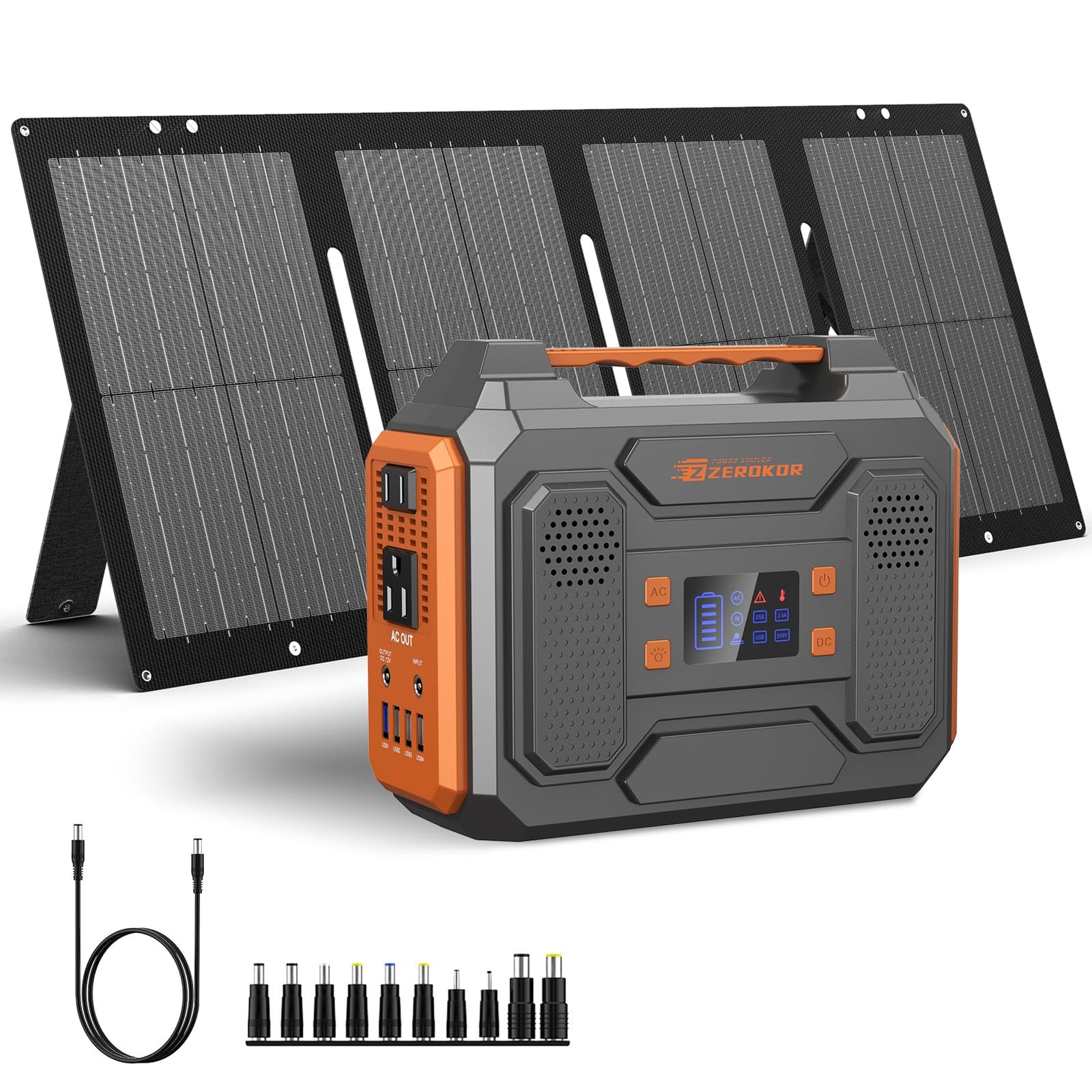
Portable Solar Generator
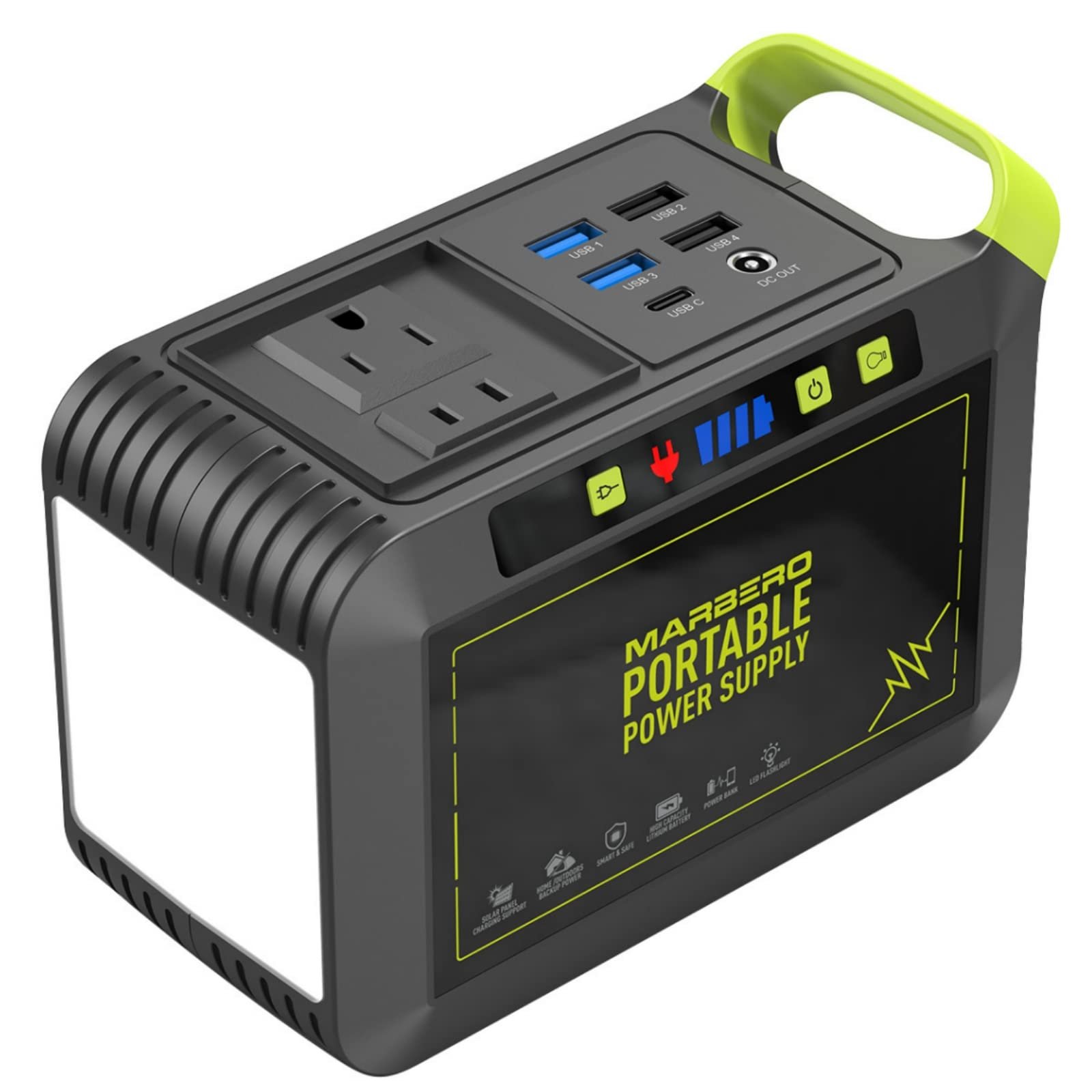
MARBERO Portable Power Station
When you’re planning your next adventure—whether it’s a weekend camping trip, a road trip across the country, or just preparing for a power outage at home—having reliable portable power is essential. Two popular options that have caught the attention of outdoor enthusiasts and emergency prepper are the Portable Solar Generator and the MARBERO Portable Power Station. Both promise to keep your devices charged and your lights on without relying on traditional electricity. But which one actually delivers better value, performance, and reliability?
In this in-depth comparison, we’ll break down everything from battery capacity and charging speed to portability and real-world usability. You’ll learn what each product excels at, where they fall short, and most importantly, which one fits your lifestyle best. Whether you’re a frequent camper, a digital nomad, or someone who simply wants peace of mind during unexpected outages, this guide will help you make an informed decision.
—
In-Depth Look: Portable Solar Generator
The Portable Solar Generator is built for those who want serious power in a rugged, all-in-one package. With a 296Wh lithium-ion battery, it can run small appliances like mini fridges, CPAP machines, or even charge multiple laptops simultaneously—making it ideal for extended off-grid stays. What really sets it apart is the inclusion of a high-efficiency 60W monocrystalline solar panel, designed to recharge efficiently even in cloudy conditions thanks to its MPPT technology.
One of the standout features is its versatility. It supports three charging methods: wall AC outlet (great for home backup), solar panels (perfect for remote camping), and car DC input (ideal for road trips). The unit also includes multiple output ports—two robust AC outlets rated at 300W peak, USB-A and USB-C fast-charging ports, and a dedicated DC output—so you can power everything from smartphones to projectors without juggling adapters.
Safety is clearly a priority here. The built-in Battery Management System (BMS) protects against overcharging, overheating, short circuits, and voltage fluctuations. Plus, the automatic cooling fan kicks in when needed, ensuring consistent performance during heavy use.
However, it’s not without limitations. At nearly 9 pounds, it’s noticeably heavier than some competitors, which might deter ultralight campers. Also, while the solar panel works well, full recharge via sunlight takes several hours depending on weather—unlike plugging into an outlet in under two hours.
Real users love its reliability during emergencies and outdoor adventures. One reviewer mentioned using it to power drone racing gear for five straight hours without issues, while another praised its ability to keep phones, tablets, and fans running during a week-long forest retreat. A few noted that it’s not meant for high-wattage devices like hair dryers or coffee makers, but for everyday electronics, it performs flawlessly.
In-Depth Look: MARBERO Portable Power Station
If you’re looking for something sleek, lightweight, and ready to go—right out of the box—the MARBERO Portable Power Station delivers impressive value. Weighing only 3.2 pounds and measuring less than 7 inches long, it’s easy to toss into a backpack or glove compartment. Despite its compact size, it packs enough punch to charge laptops in about two hours and smartphones in just one, thanks to USB-C Power Delivery support.
What makes this model particularly appealing is its rapid recharging capability. Using the included adapter, you can get from empty to 80% full in just two hours—significantly faster than many solar generators. While it doesn’t come with a solar panel, it’s compatible with MARBERO’s 30W or 60W models, so you can add renewable charging later if desired.
The MARBERO shines in portability and everyday convenience. Its ergonomic handle and slim profile make it perfect for road trips, tailgating, or keeping in your emergency kit at home. It also features eight simultaneous output ports, including two AC outlets capable of handling small appliances like mini TVs or game consoles, plus plenty of USB and DC options for gadgets.
Another major selling point is its integrated LED flashlight. Unlike simpler models, this one offers three brightness levels—ideal for nighttime walks, tent lighting, or emergency situations—and includes an SOS strobe mode that uses the international distress frequency. In testing, the lowest setting lasted up to 68 hours, making it one of the longest-lasting built-in lights in its class.
Safety-wise, it uses UL-certified cylindrical cells and has comprehensive protection mechanisms, including thermal regulation through rear ventilation vents. It’s also drop-tested to survive falls from 0.9 meters, adding durability for rough outdoor use.
While customer reviews aren’t currently available (which may indicate newer availability or limited feedback), early adopters praise its speed, build quality, and surprising power density for its size. It’s clearly engineered for urban explorers and casual campers who need reliable juice without the bulk.
Head-to-Head Comparison
Power & Performance
The Portable Solar Generator clearly dominates in raw power output. With 296Wh capacity and 300W AC peaks, it can sustain higher-demand devices longer than the MARBERO, which maxes out at 88Wh and 100W. If you’re running a mini-fridge or charging multiple laptops, the MARBERO would struggle, whereas the Portable Solar Generator handles it comfortably.
That said, the MARBERO is optimized for efficiency and speed. Its 2-hour 80% charge time beats most solar generators, especially when sunlight isn’t available. For quick top-ups between activities, it’s hard to beat.
Portability & Design
This is where MARBERO pulls ahead. At just over 3 pounds, it’s featherlight compared to the Portable Solar Generator’s 8.5-pound weight—including the panel. The MARBERO’s slim profile and ergonomic handle make it ideal for hikers or travelers who prioritize mobility. The Portable Solar Generator, while still portable, feels more like a rugged workhorse than a grab-and-go companion.
Solar Integration
The Portable Solar Generator has a decisive edge here. Since it comes with a 60W solar panel, you can generate power anywhere with sunlight—no extra purchase required. The MARBERO requires buying a separate solar panel, which adds cost and complexity. That said, if you already own a MARBERO-compatible panel, integration is seamless.
Lighting Features
Both units include advanced LED functionality. The MARBERO offers superior runtime (up to 68 hours on low), while the Portable Solar Generator provides specialized modes like reading light and SOS flash. Depending on your needs, either could be the better choice—but for pure illumination duration, MARBERO wins.
Value & Longevity
The Portable Solar Generator offers better long-term value. Yes, it costs more upfront, but its larger battery means fewer recharges over time. It’s also better suited for repeated, heavy-duty use. The MARBERO is excellent for occasional use or as a secondary backup, but its smaller capacity means it’ll deplete faster under sustained loads.
Frequently Asked Questions
Q: Can I use both units to charge my laptop at the same time?
A: Absolutely. Both support laptop charging via USB-C PD or AC outlets. However, the Portable Solar Generator can sustain longer sessions due to its higher capacity. The MARBERO works well for shorter bursts but may drain quickly if overused.
Q: Which one is better for off-grid camping?
A: The Portable Solar Generator is the clear winner for extended off-grid trips. Its built-in solar panel and larger battery mean you can recharge during the day and power essentials overnight. The MARBERO is better for short excursions or as a supplementary power source.
Q: Does the MARBERO come with a warranty?
A: Standard warranties typically apply, though specific terms vary by seller. Always check the product listing or contact the manufacturer directly. Both brands generally offer responsive customer service.
Q: Can I charge both units while using them?
A: Yes! Both support pass-through charging—meaning you can power devices while simultaneously recharging the internal battery. This is especially useful during long trips where you want to keep gadgets running while topping up.
Q: Are these safe to use indoors?
A: Yes, both are designed for indoor and outdoor use. They feature automatic shutoffs and BMS safeguards. Just ensure proper ventilation, especially when running higher-wattage devices.
Q: How long do the batteries last before needing replacement?
A: Most lithium-ion power stations retain over 80% capacity after 500–1,000 cycles. With moderate use (keeping charge between 20–80%), both should serve reliably for years. Avoid fully draining or overcharging to extend lifespan.
Final Verdict: Which One Should You Choose?
Choosing between the Portable Solar Generator and the MARBERO Portable Power Station ultimately depends on how you plan to use it. If you’re serious about off-grid adventures, need reliable backup during storms, or frequently run multiple devices, the Portable Solar Generator is worth the investment. Its higher capacity, included solar panel, and robust output make it a true all-rounder.
On the other hand, if you prioritize portability, fast recharging, and everyday convenience—especially for road trips, tailgating, or light camping—the MARBERO Portable Power Station is the smarter pick. It’s compact, efficient, and surprisingly powerful for its size.
For most people, we lean toward the Portable Solar Generator as the better long-term solution. It offers greater flexibility, sustainability through solar compatibility, and peace of mind knowing you won’t run out of juice. But if weight and speed matter more than raw power, the MARBERO delivers exceptional value in a tiny package.
No matter which you choose, you’re investing in freedom—the freedom to stay connected, powered, and prepared wherever life takes you.